
DbcultAccessing Vault...
Director's Spotlight
Senior Film Conservator
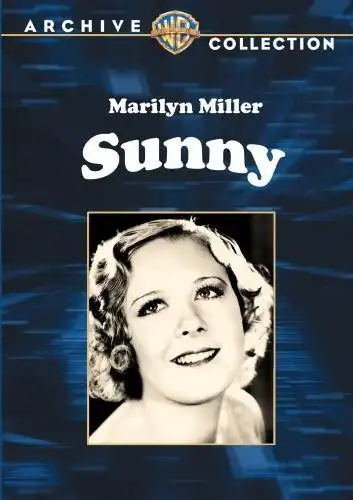
Director's Spotlight: United States
A Deep Dive into the 1930 Vision of William A. Seiter
As a cultural artifact of the 1930s, Sunny provides the visionary mind of its creator, William A. Seiter. With its avant-garde structure and atmospheric tension, it redefined what audiences could expect from a Musical experience.
In Sunny, William A. Seiter pushes the boundaries of conventional narrative. The film's unique approach to its subject matter has sparked endless debates and interpretations among cinephiles and critics alike.
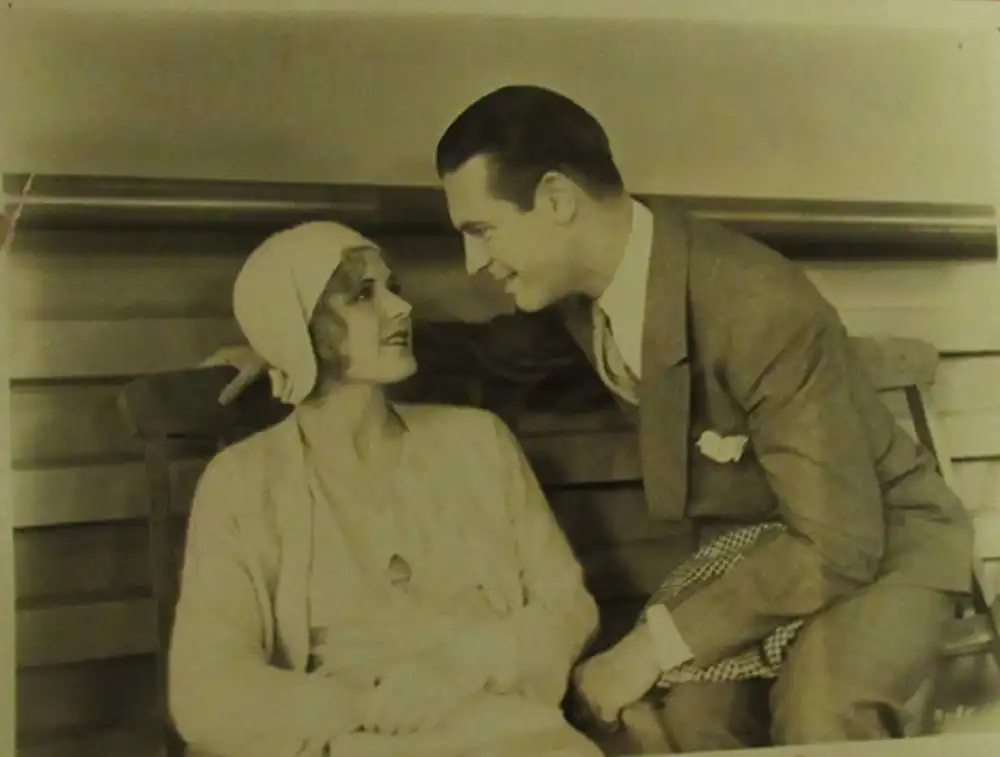
The visual language of Sunny is defined by its use of shadows and framing, a hallmark of William A. Seiter's style. By utilizing a 1930-era palette, the film creates an immersive experience that perfectly complements its Musical themes.
| Cinematography | Handheld |
| Soundtrack | Experimental |
| Editing | Invisible |
| Art Direction | Kitsch |
Visualizing the convergence of William A. Seiter's style and the core Musical narrative.
To be near the fella she loves, an English bareback rider dons dungarees and cap to pass as a boy, stows away to America, gets caught, marries someone else...and finally ends up in the warm embrace of her beloved. Such fluffy foolishness is the plot of "Sunny," the Broadway smash brought to screen life by the irresistible Marilyn Miller, recreating her stage success in the title role. The sparkling Jerome Kern/Oscar Hammerstein lotto hardback score includes "Who?" and the title tune. And the lovely Miller socks'em over with her winning voice, exhilarating dancing skills, and infectious good cheer. If this is your first encounter with Marilyn Miller, prepare to be a fan.
Decades after its release, Sunny remains a vital piece of the cinematic puzzle. Its influence can be seen in countless modern works, solidifying William A. Seiter's status as a master of the craft in United States and beyond.