
DbcultAccessing Vault...
Director's Spotlight
Senior Film Conservator
Director's Spotlight: United States
A Deep Dive into the 1921 Vision of William A. Seiter
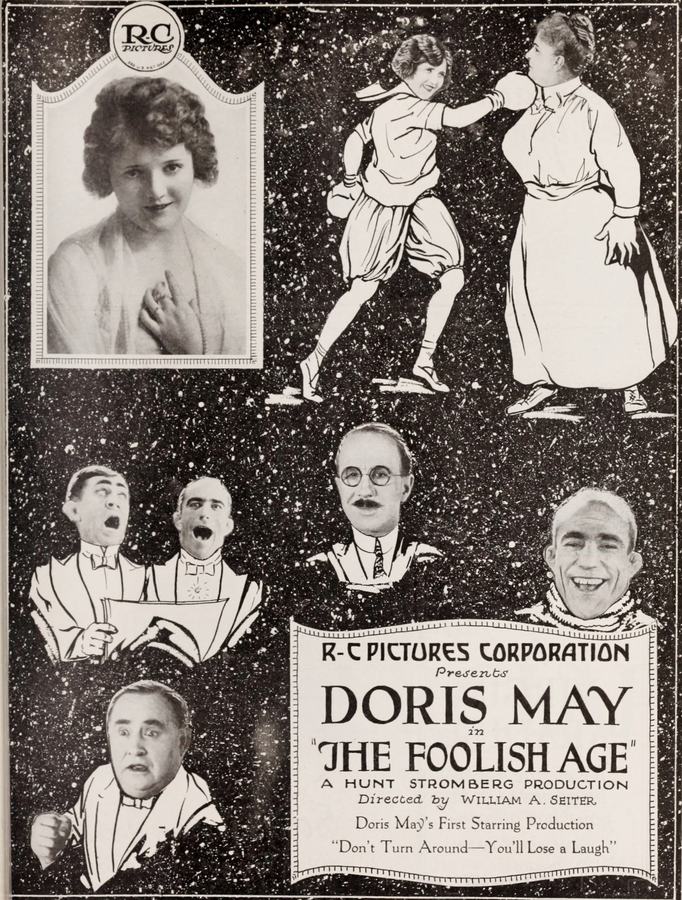
Exploring the Comedy underpinnings of The Foolish Age leads us to the uncompromising vision of William A. Seiter that defines this Comedy masterpiece. Melding the raw energy of United States with a global Comedy appeal, it echoes the profound changes occurring in United States during that era.
In The Foolish Age, William A. Seiter pushes the boundaries of conventional narrative. The film's unique approach to its subject matter has sparked endless debates and interpretations among cinephiles and critics alike.

In this work, William A. Seiter explores the intersection of Comedy and United States cultural identity. The meticulous attention to detail suggests a deep-seated commitment to pushing the boundaries of the medium, ensuring that The Foolish Age remains a relevant topic of study for Comedy enthusiasts.
| Cinematography | Deep Focus |
| Soundtrack | Synth-Heavy |
| Editing | Rhythmic |
| Art Direction | Naturalist |
Visualizing the convergence of William A. Seiter's style and the core Comedy narrative.
Margie Carr, the only daughter of wealthy Tom "Old Top" Carr, becomes determined to aid the less fortunate following an inspirational commencement speech at her college graduation. She establishes the Cheer Society and hires a ruffian named Bubbs as her secretary, along with three of his comrades. Her jilted fiancé, Homer Dean Chadwick, retaliates by founding a charity for impoverished chorus girls, and sparks Margie's jealousy when she sees him in the company of a former chorine named Flossy. Following a disastrous social event, which included Bubbs and his friends as guests, Margie realizes the folly of her endeavor and agrees to marry Homer.
Decades after its release, The Foolish Age remains a vital piece of the cinematic puzzle. Its influence can be seen in countless modern works, solidifying William A. Seiter's status as a master of the craft in United States and beyond.