
DbcultAccessing Vault...
Director's Spotlight
Senior Film Conservator
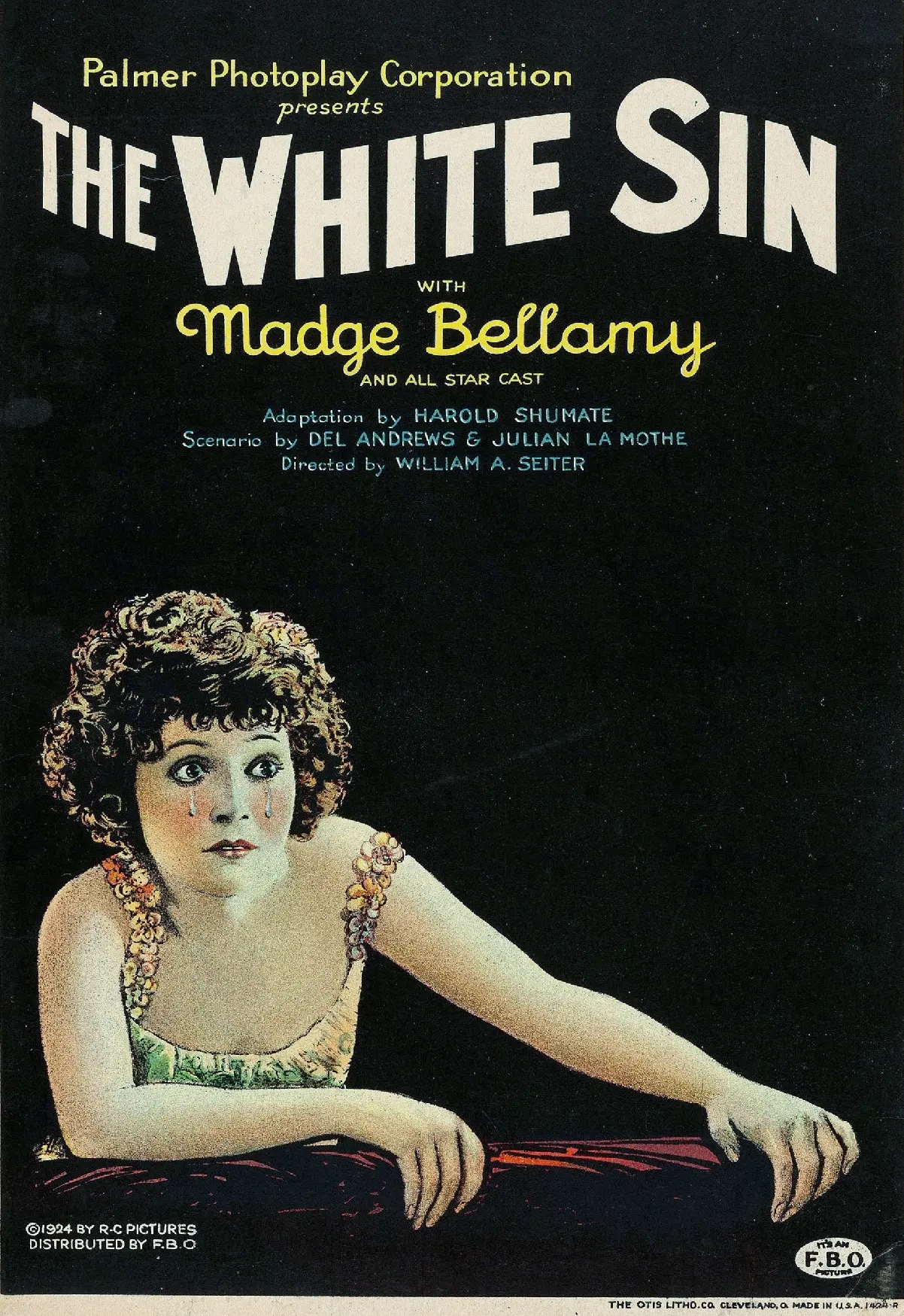
Director's Spotlight: United States
A Deep Dive into the 1924 Vision of William A. Seiter
The artistic breakthrough represented by The White Sin in 1924 highlights the philosophical inquiries that William A. Seiter embeds within the narrative. Framed by the hauntingly beautiful landscapes of the production, it leaves an indelible mark on the soul of the viewer.
In The White Sin, William A. Seiter pushes the boundaries of conventional narrative. The film's unique approach to its subject matter has sparked endless debates and interpretations among cinephiles and critics alike.
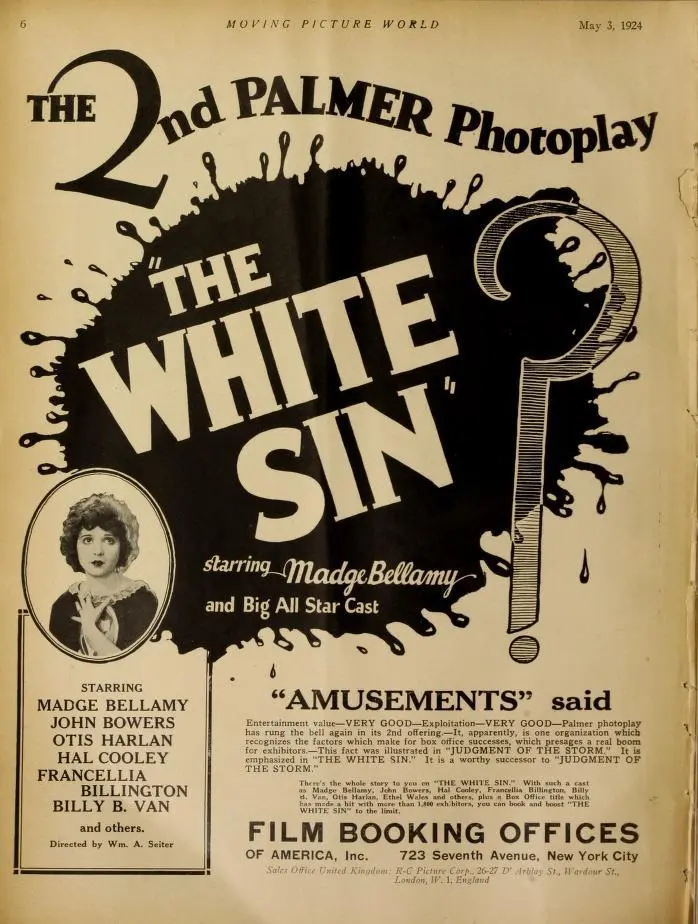
While deeply rooted in United States, The White Sin has achieved a global reach, influencing directors from various backgrounds. Its ability to translate Drama tropes into a universal cinematic language is why it remains a cult staple decades after its 1924 release.
| Cinematography | Handheld |
| Soundtrack | Diegetic |
| Editing | Elliptical |
| Art Direction | Expressionist |
Visualizing the convergence of William A. Seiter's style and the core Drama narrative.
Smalltown runaway teen Hattie Lou is hired as maid for the Van Gore family, bound for the South Seas on their yacht. On board she falls for the son Spencer, who "marries" her in a mock wedding. A baby and hard times result from the union.
Decades after its release, The White Sin remains a vital piece of the cinematic puzzle. Its influence can be seen in countless modern works, solidifying William A. Seiter's status as a master of the craft in United States and beyond.