
DbcultAccessing Vault...
Director's Spotlight
Senior Film Conservator
Director's Spotlight: United States
A Deep Dive into the 1923 Vision of William A. Wellman
Few works in United States cinema carry the same weight as Cupid's Fireman, especially regarding the technical innovation that William A. Wellman introduced to the Drama format. Subverting the expectations of the typical 1923 audience, it bridges the gap between traditional Drama and contemporary vision.
In Cupid's Fireman, William A. Wellman pushes the boundaries of conventional narrative. The film's unique approach to its subject matter has sparked endless debates and interpretations among cinephiles and critics alike.
To fully appreciate Cupid's Fireman, one must consider the cinematic climate of 1923. During this period, United States was undergoing significant artistic shifts, and William A. Wellman was at the forefront of this Drama movement, often challenging established norms.
| Cinematography | High-Contrast |
| Soundtrack | Minimalist |
| Editing | Slow-Burn |
| Art Direction | Brutalist |
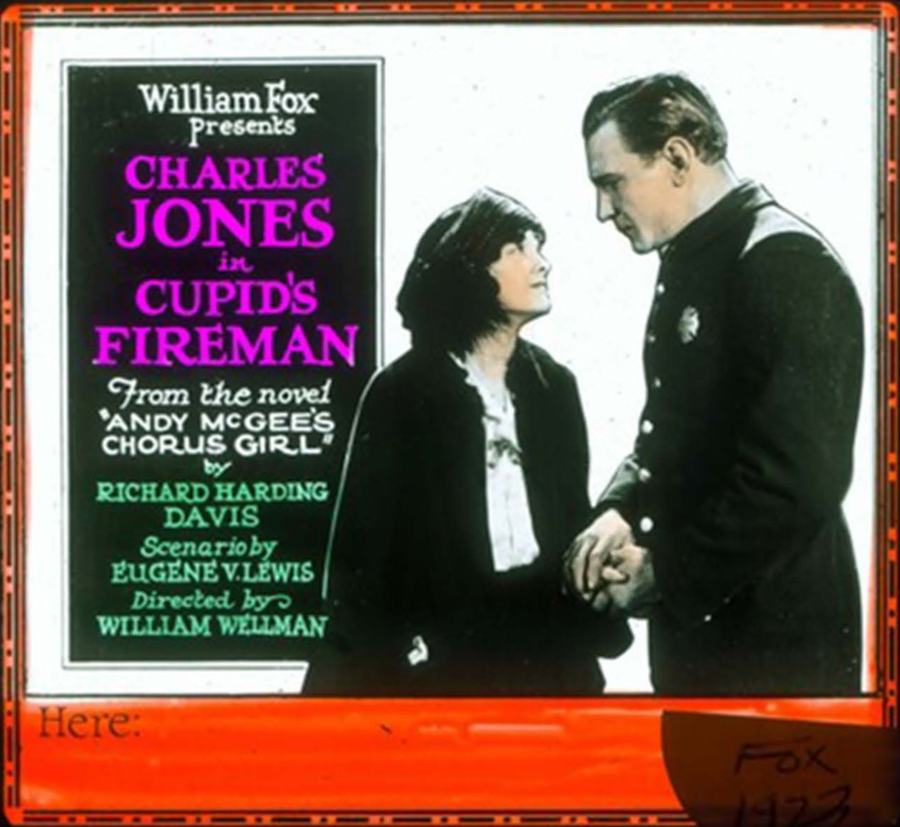
Visualizing the convergence of William A. Wellman's style and the core Drama narrative.
Andy McGee joins the fire-department with intentions of becoming as good a fireman as his father who died in the line of duty. While on duty in the theatre district, Andy meets Agnes Evans, a specialty dancer and Cupid shoots an arrow into his heart, but disillusion and pain follow when he learns she is the wife of a worthless drunk. Later, a fire breaks out in the Evans home and, after rescuing Agnes, Andy must make the decision whether or not to risk his life to go back into the inferno to rescue Bill Evans, crazed by liquor and responsible for the fire.
Decades after its release, Cupid's Fireman remains a vital piece of the cinematic puzzle. Its influence can be seen in countless modern works, solidifying William A. Wellman's status as a master of the craft in United States and beyond.