
DbcultAccessing Vault...
Director's Spotlight
Senior Film Conservator
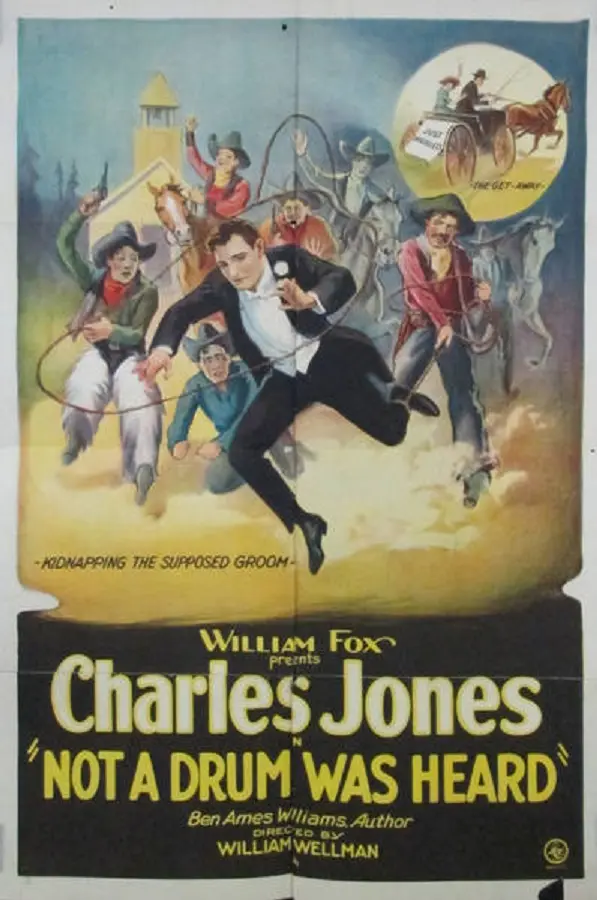
Director's Spotlight: United States
A Deep Dive into the 1924 Vision of William A. Wellman
Few works in United States cinema carry the same weight as Not a Drum Was Heard, especially regarding the technical innovation that William A. Wellman introduced to the Crime format. Subverting the expectations of the typical 1924 audience, it bridges the gap between traditional Crime and contemporary vision.
In Not a Drum Was Heard, William A. Wellman pushes the boundaries of conventional narrative. The film's unique approach to its subject matter has sparked endless debates and interpretations among cinephiles and critics alike.
In this work, William A. Wellman explores the intersection of Crime and United States cultural identity. The meticulous attention to detail suggests a deep-seated commitment to pushing the boundaries of the medium, ensuring that Not a Drum Was Heard remains a relevant topic of study for Crime enthusiasts.
| Cinematography | Handheld |
| Soundtrack | Minimalist |
| Editing | Disjunctive |
| Art Direction | Baroque |
Visualizing the convergence of William A. Wellman's style and the core Crime narrative.
Jack Mills loses his sweetheart, Jean Ross, to his friend, Bud Loupel. Behind in his payments on a house, Bud steals money from the bank where he works. The owner finds out, but Jack takes the blame by holding up the bank and pretending to rob it of the money Bud has already taken. Bud shoots the owner and is severely wounded himself. Jack takes the rap at the trial, but Bud admits he is guilty before dying from his wounds. Jack promises to care for Jean and the baby.
Decades after its release, Not a Drum Was Heard remains a vital piece of the cinematic puzzle. Its influence can be seen in countless modern works, solidifying William A. Wellman's status as a master of the craft in United States and beyond.