
DbcultAccessing Vault...
Director's Spotlight
Senior Film Conservator
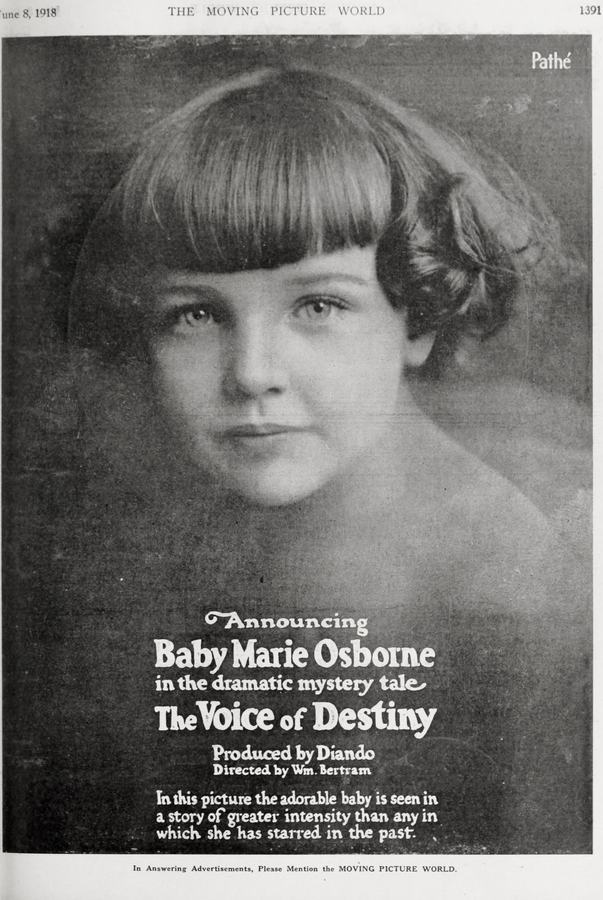
Director's Spotlight: United States
A Deep Dive into the 1918 Vision of William Bertram
Analyzing The Voice of Destiny (1918) requires a deep dive into the unique directorial voice that William Bertram brought to the screen. By challenging the status quo of 1918 cinema, it continues to spark endless debates among critics and cinephiles alike.
In The Voice of Destiny, William Bertram pushes the boundaries of conventional narrative. The film's unique approach to its subject matter has sparked endless debates and interpretations among cinephiles and critics alike.
While deeply rooted in United States, The Voice of Destiny has achieved a global reach, influencing directors from various backgrounds. Its ability to translate cult tropes into a universal cinematic language is why it remains a cult staple decades after its 1918 release.
| Cinematography | Handheld |
| Soundtrack | Experimental |
| Editing | Invisible |
| Art Direction | Kitsch |
Visualizing the convergence of William Bertram's style and the core cult narrative.
When Charles Lind is stricken blind, his brother John takes charge of his business affairs, while his little niece Marie reads his mail to him each day so that he may recite his replies into a Dictaphone. After John confesses that he has lost a great deal of Charles' money on the stock market, the two quarrel, and John nearly strangles his brother. Later, a shot rings out, and John is seen crouching by Charles' lifeless body. Following John's arrest, the detectives guarding Marie's house recognize Briggs, the butler, as a wanted criminal, and when he attempts to escape, they shoot him. Marie, in playing with her uncle's Dictaphone, discovers that his murderer's voice was captured on the recording. Played at the dying butler's bedside, the recording leads to Briggs's confession and John's release from prison.
Decades after its release, The Voice of Destiny remains a vital piece of the cinematic puzzle. Its influence can be seen in countless modern works, solidifying William Bertram's status as a master of the craft in United States and beyond.