
DbcultAccessing Vault...
Director's Spotlight
Senior Film Conservator
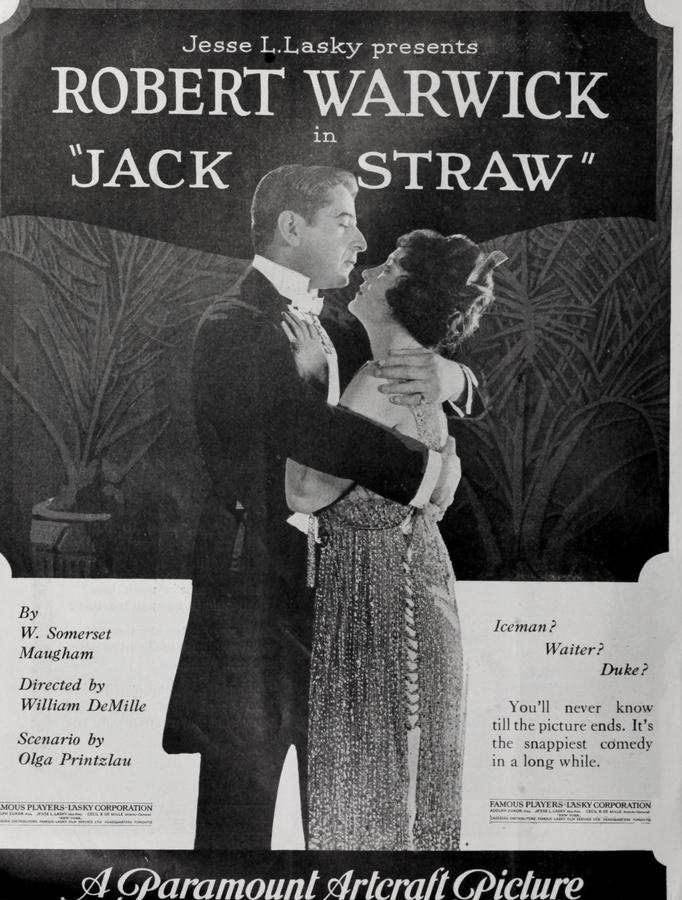
Director's Spotlight: United States
A Deep Dive into the 1920 Vision of William C. de Mille
Analyzing Jack Straw (1920) requires a deep dive into the defining moment in Comedy history that William C. de Mille helped create. Defining a new era of United States artistic expression, it transcends regional boundaries to tell a universal story.
In Jack Straw, William C. de Mille pushes the boundaries of conventional narrative. The film's unique approach to its subject matter has sparked endless debates and interpretations among cinephiles and critics alike.
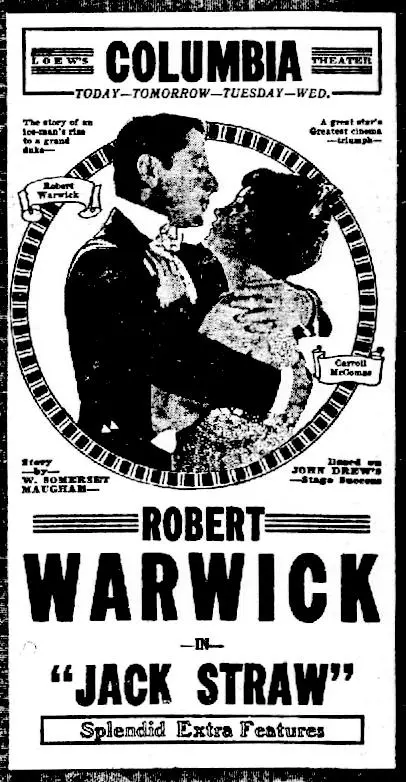
To fully appreciate Jack Straw, one must consider the cinematic climate of 1920. During this period, United States was undergoing significant artistic shifts, and William C. de Mille was at the forefront of this Comedy movement, often challenging established norms.
| Cinematography | High-Contrast |
| Soundtrack | Diegetic |
| Editing | Rhythmic |
| Art Direction | Naturalist |
Visualizing the convergence of William C. de Mille's style and the core Comedy narrative.
Jack Straw, an iceman, falls in love with the voice of Ethel Parker Jennings which he is accustomed to hearing down the dumbwaiter shaft of his Harlem flat. When the Jennings family acquires wealth through an oil investment, they move to California and Jack follows. Finding employment as a waiter, Jack meets Holland, who holds a grudge against the snobbish Mrs. Jennings. Holland enlists Jack in a scheme to humiliate the haughty woman by persuading the waiter to impersonate the Archduke of Pomerania. Jack consents, seizing upon the opportunity to be near Ethel, and during Jack's stay with the Jennings, the couple fall in love. Eventually Holland decides that the joke has gone too far and unmasks Jack. Mrs. Jennings expels Jack from the house, but when the real ambassador from Pomerania appears and documents Jack's authenticity, she recants and announces Ethel's engagement to the archduke waiter.
Decades after its release, Jack Straw remains a vital piece of the cinematic puzzle. Its influence can be seen in countless modern works, solidifying William C. de Mille's status as a master of the craft in United States and beyond.