
DbcultAccessing Vault...
Director's Spotlight
Senior Film Conservator
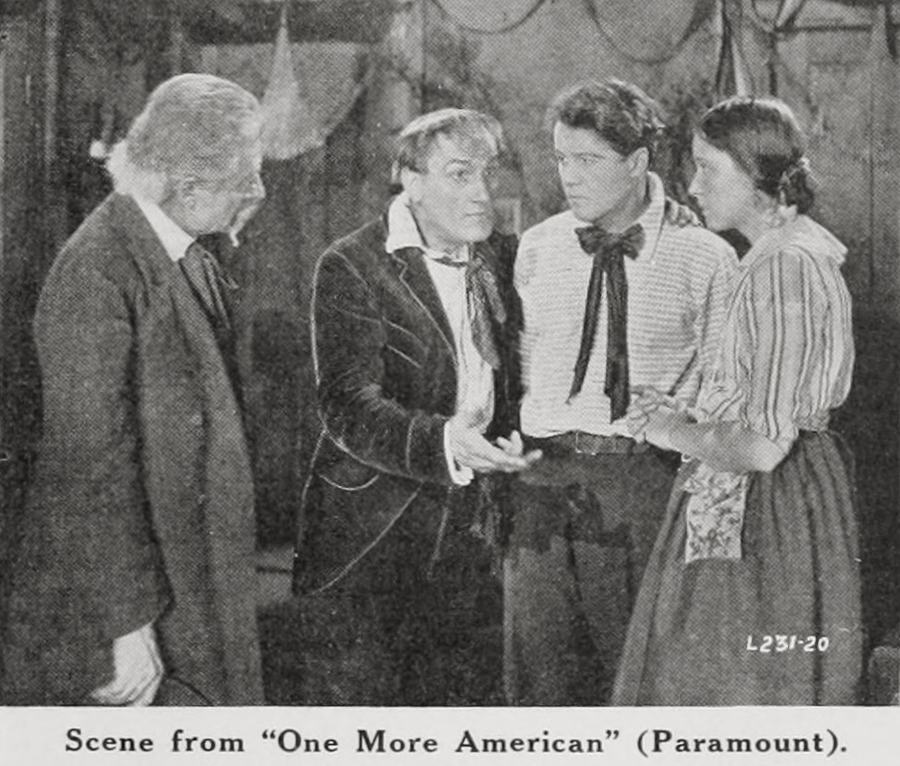
Director's Spotlight: United States
A Deep Dive into the 1918 Vision of William C. de Mille
Exploring the cult underpinnings of One More American leads us to the stylistic boundaries pushed by William C. de Mille during the production. Through a lens of existential fatalism and cult tropes, it continues to spark endless debates among critics and cinephiles alike.
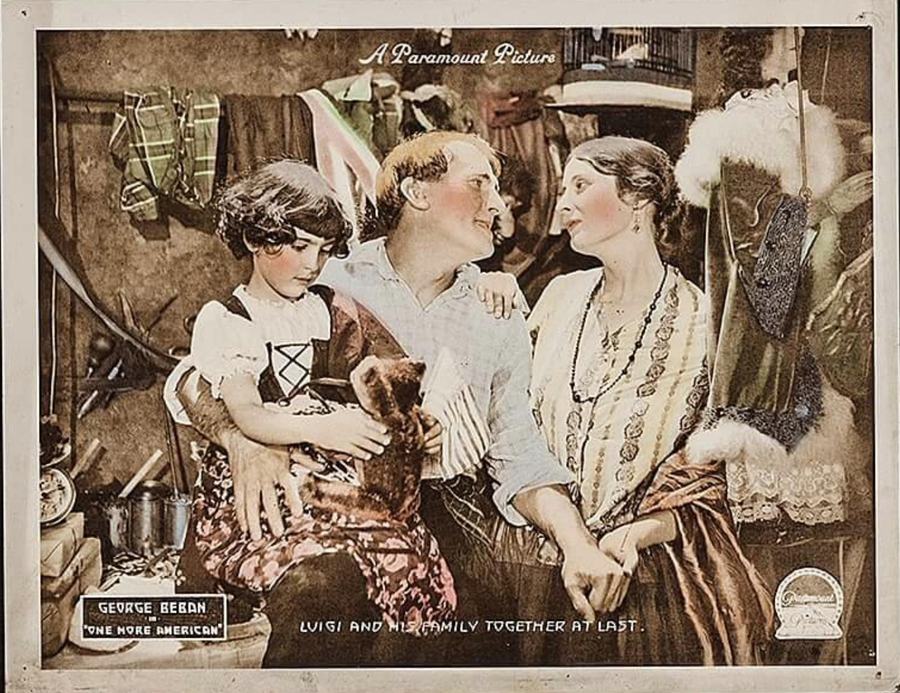
In One More American, William C. de Mille pushes the boundaries of conventional narrative. The film's unique approach to its subject matter has sparked endless debates and interpretations among cinephiles and critics alike.
| Cinematography | High-Contrast |
| Soundtrack | Orchestral |
| Editing | Slow-Burn |
| Art Direction | Brutalist |
Visualizing the convergence of William C. de Mille's style and the core cult narrative.
Luigi Riccardo, the proprietor of a marionette theater in New York's Little Italy, eagerly anticipates the arrival of his wife Maria and daughter Tessa, whom he has not seen in five years. Luigi dreams of becoming an American citizen, but because he refuses to make graft payments to Regan, the ward boss, he is informed that he will not receive his naturalization papers. When Regan orders Dr. Ross, an Ellis Island physician, to classify Maria and Tessa as unfit to enter the country, Luigi becomes wild with grief. Newspaper reporter Sam Potts learns of the Italian's misfortune and, through local prizefighter Bump Rundle, offers Regan a phony bribe in exchange for Luigi's papers. Regan accepts and Sam exposes him publicly, enabling Luigi to welcome his wife and daughter as American citizens.
Decades after its release, One More American remains a vital piece of the cinematic puzzle. Its influence can be seen in countless modern works, solidifying William C. de Mille's status as a master of the craft in United States and beyond.