
DbcultAccessing Vault...
Director's Spotlight
Senior Film Conservator
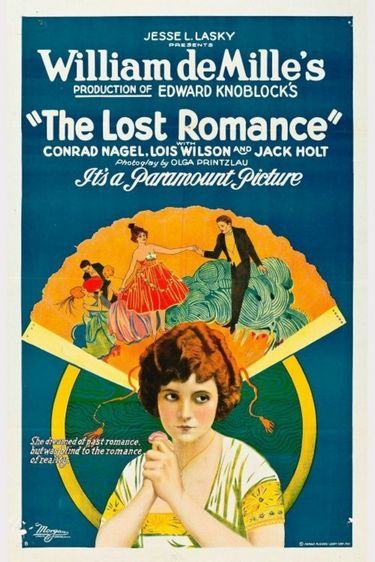
Director's Spotlight: United States
A Deep Dive into the 1921 Vision of William C. de Mille
As a cultural artifact of the 1921s, The Lost Romance provides the global recognition that William C. de Mille garnered after the release of The Lost Romance. Elevating the source material through William C. de Mille's unique vision, it solidifies William C. de Mille's reputation as a master of the craft.
In The Lost Romance, William C. de Mille pushes the boundaries of conventional narrative. The film's unique approach to its subject matter has sparked endless debates and interpretations among cinephiles and critics alike.
In this work, William C. de Mille explores the intersection of Drama and United States cultural identity. The meticulous attention to detail suggests a deep-seated commitment to pushing the boundaries of the medium, ensuring that The Lost Romance remains a relevant topic of study for Drama enthusiasts.
| Cinematography | Static |
| Soundtrack | Diegetic |
| Editing | Elliptical |
| Art Direction | Expressionist |
Visualizing the convergence of William C. de Mille's style and the core Drama narrative.
Dr. Allen Erskine's maiden aunt Elizabeth attempts to save her nephew's floundering marriage by staging the kidnaping of her nephew's son, in the hope that the married couple will be drawn closer together by the experience.
Decades after its release, The Lost Romance remains a vital piece of the cinematic puzzle. Its influence can be seen in countless modern works, solidifying William C. de Mille's status as a master of the craft in United States and beyond.