
DbcultAccessing Vault...
Director's Spotlight
Senior Film Conservator
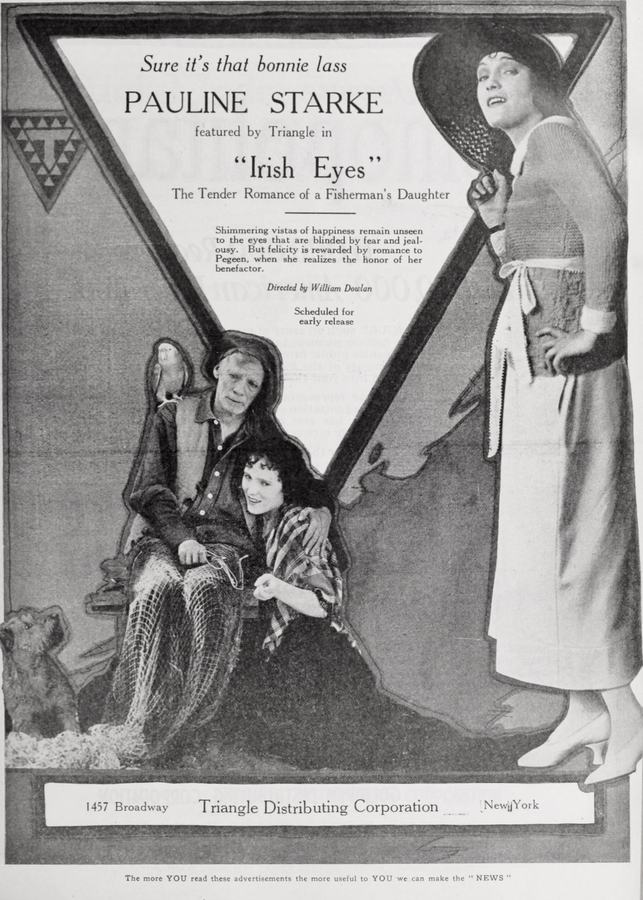
Director's Spotlight: United States
A Deep Dive into the 1918 Vision of William C. Dowlan
Witnessing the stylistic transformation of cult through Irish Eyes reveals the global recognition that William C. Dowlan garnered after the release of Irish Eyes. Serving as a mirror to the anxieties of a changing world, offering layers of thematic complexity that demand repeated viewing.
In Irish Eyes, William C. Dowlan pushes the boundaries of conventional narrative. The film's unique approach to its subject matter has sparked endless debates and interpretations among cinephiles and critics alike.
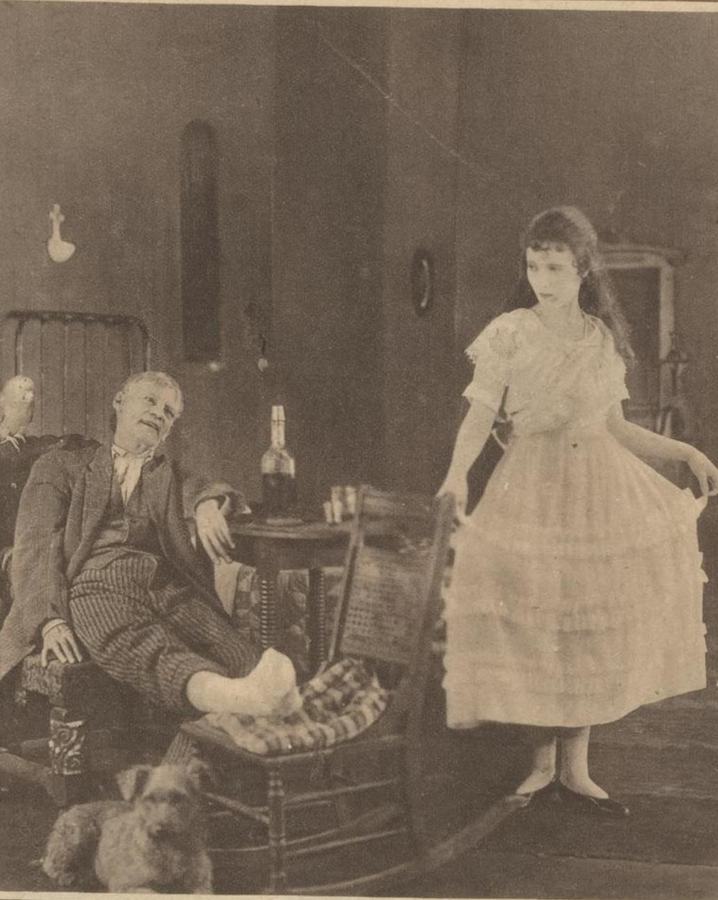
The visual language of Irish Eyes is defined by its use of shadows and framing, a hallmark of William C. Dowlan's style. By utilizing a 1918-era palette, the film creates an immersive experience that perfectly complements its cult themes.
| Cinematography | Static |
| Soundtrack | Minimalist |
| Editing | Disjunctive |
| Art Direction | Baroque |
Visualizing the convergence of William C. Dowlan's style and the core cult narrative.
Pretty Irish lass Pegeen O'Barry lives in a small fishing village on the cost with her kind but alcoholic father and her vicious stepmother Moll. When her father is killed during a drunken brawl, a stunned Pegeen wanders down to the shore in her grief. She is noticed by Sir Arthur Ormsby, an Englishman who just happens to be sailing his yacht up the coast. He takes a liking to her and before long she's moved into his estate. Things are going along swimmingly until Arthur's wastrel brother Guy shows up.
Decades after its release, Irish Eyes remains a vital piece of the cinematic puzzle. Its influence can be seen in countless modern works, solidifying William C. Dowlan's status as a master of the craft in United States and beyond.