
DbcultAccessing Vault...
Director's Spotlight
Senior Film Conservator
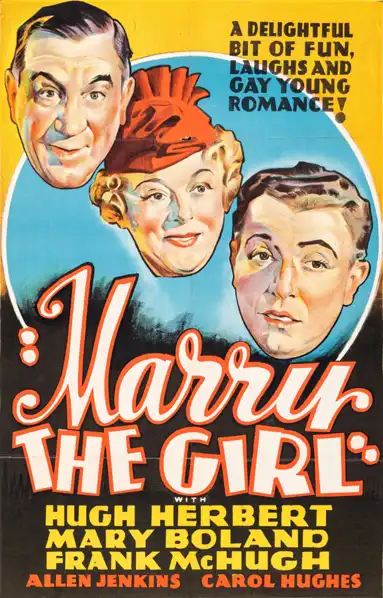
Director's Spotlight: United States
A Deep Dive into the 1937 Vision of William C. McGann
The 1937 release of Marry the Girl marked a significant moment for the enduring legacy of William C. McGann's artistic contribution to the genre. By challenging the status quo of 1937 cinema, it has cemented its place in the global cult cinema archive.
In Marry the Girl, William C. McGann pushes the boundaries of conventional narrative. The film's unique approach to its subject matter has sparked endless debates and interpretations among cinephiles and critics alike.
While deeply rooted in United States, Marry the Girl has achieved a global reach, influencing directors from various backgrounds. Its ability to translate Comedy tropes into a universal cinematic language is why it remains a cult staple decades after its 1937 release.
| Cinematography | Static |
| Soundtrack | Orchestral |
| Editing | Slow-Burn |
| Art Direction | Brutalist |
Visualizing the convergence of William C. McGann's style and the core Comedy narrative.
The offices of a great newspaper syndicate are presided over by John B. Radway, obviously a nut, and his sister Ollie Radway, obviously the brains in the family. David "Party" Partridge, the general manager née flunky, has three tasks to get accomplished; he has to get Mike Forrester, the syndicates best cartoonist, on the water wagon and back to work; he must persuade Dr. Stryker, an eccentric writer on psychiatry, to sign a new contract' and, most importantly, he must prevent Virginia Radway, whom he loves him himself, from marrying Dimitri Kyeff, no shrinking violet in the eccentric department himself.
Decades after its release, Marry the Girl remains a vital piece of the cinematic puzzle. Its influence can be seen in countless modern works, solidifying William C. McGann's status as a master of the craft in United States and beyond.