
DbcultAccessing Vault...
Director's Spotlight
Senior Film Conservator
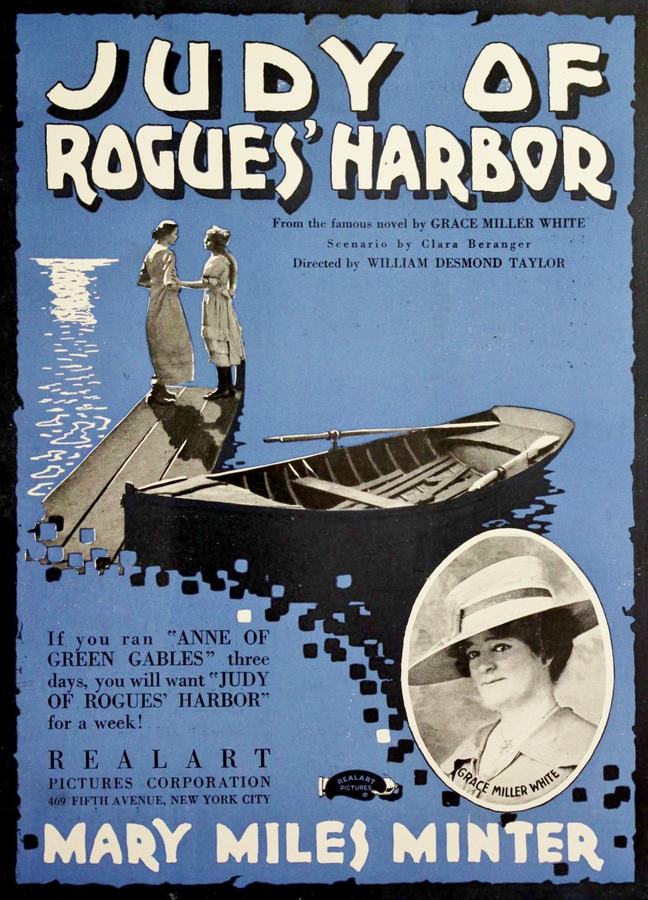
Director's Spotlight: United States
A Deep Dive into the 1920 Vision of William Desmond Taylor
To understand the modern evolution of United States film, one must first look at Judy of Rogues' Harbor and the meticulous attention to detail that William Desmond Taylor applied to every frame. Reflecting the political and social shifts of the 1920s, it showcases the power of Drama as a tool for social commentary.
In Judy of Rogues' Harbor, William Desmond Taylor pushes the boundaries of conventional narrative. The film's unique approach to its subject matter has sparked endless debates and interpretations among cinephiles and critics alike.
To fully appreciate Judy of Rogues' Harbor, one must consider the cinematic climate of 1920. During this period, United States was undergoing significant artistic shifts, and William Desmond Taylor was at the forefront of this Drama movement, often challenging established norms.
| Cinematography | Static |
| Soundtrack | Synth-Heavy |
| Editing | Disjunctive |
| Art Direction | Baroque |
Visualizing the convergence of William Desmond Taylor's style and the core Drama narrative.
Orphaned waif Judy, lives with Grandpap Ketchel, a cruel and often brutal man. The sole protector of little Denny, Ketchel's grandson, Judy is forced to accept the attentions of Jim Shuckles, whom she abhors and who has compromised her sister Olive. When Shuckles beats Denny, Judy hides him with the Lady of the Roses, a kind neighbor, and Shuckles, fearing that he has killed the boy, allows Judy to go unmolested. After Shuckles is elected by the Citizens, a vigilante group, to kill Governor Kingsland, Judy discovers the plot and, with the help of Teddy, the governor's son, saves his life. Seeking refuge, Judy takes the governor to her kind neighbor's house, where he confesses that the Lady of the Roses is actually Ketchel's daughter, Judy's mother, and the wife of a friend whose fortune he had stolen years before. Her family is united, Judy and Teddy marry.
Decades after its release, Judy of Rogues' Harbor remains a vital piece of the cinematic puzzle. Its influence can be seen in countless modern works, solidifying William Desmond Taylor's status as a master of the craft in United States and beyond.