
DbcultAccessing Vault...
Director's Spotlight
Senior Film Conservator
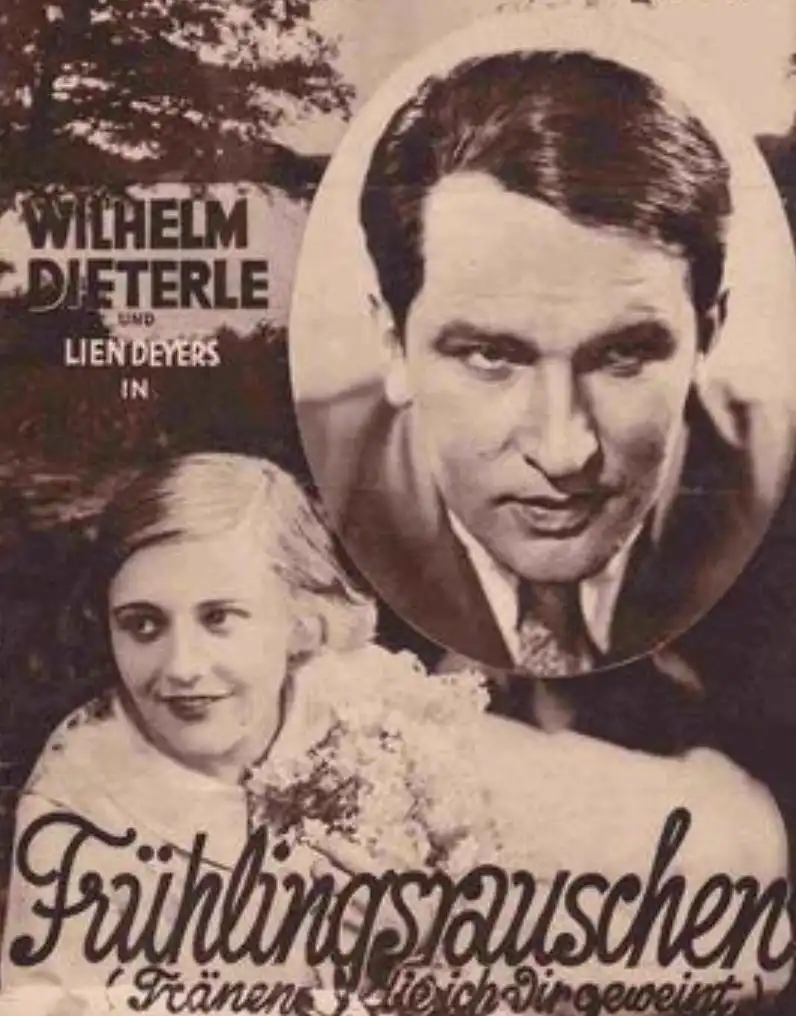
Director's Spotlight: Germany
A Deep Dive into the 1929 Vision of William Dieterle
Exploring the cult underpinnings of Frühlingsrauschen - Tränen, die ich dir geweint leads us to the uncompromising vision of William Dieterle that defines this cult masterpiece. Melding the raw energy of Germany with a global cult appeal, it echoes the profound changes occurring in Germany during that era.
In Frühlingsrauschen - Tränen, die ich dir geweint, William Dieterle pushes the boundaries of conventional narrative. The film's unique approach to its subject matter has sparked endless debates and interpretations among cinephiles and critics alike.
The visual language of Frühlingsrauschen - Tränen, die ich dir geweint is defined by its use of shadows and framing, a hallmark of William Dieterle's style. By utilizing a 1929-era palette, the film creates an immersive experience that perfectly complements its cult themes.
| Cinematography | Deep Focus |
| Soundtrack | Orchestral |
| Editing | Slow-Burn |
| Art Direction | Brutalist |
Visualizing the convergence of William Dieterle's style and the core cult narrative.
Viola von Birkenfeld, who is as blonde as she is enthusiastic, a kind of 16-year-old Käthchen von Heilbronn, leads a secluded life in her grandfather's castle. During a fleeting encounter with the young Friedrich von Bornim, she falls madly in love with the handsome young man. He came from Berlin to check on his country estate. In her rapturous infatuation, Viola soon shows great attachment. But the young man regularly rejects Viola, because he still loves his wife Irene, who is gradually becoming estranged from him and whose existence Viola has no idea about.
Decades after its release, Frühlingsrauschen - Tränen, die ich dir geweint remains a vital piece of the cinematic puzzle. Its influence can be seen in countless modern works, solidifying William Dieterle's status as a master of the craft in Germany and beyond.