
DbcultAccessing Vault...
Director's Spotlight
Senior Film Conservator
Director's Spotlight: United States
A Deep Dive into the 1921 Vision of William Duncan
Peeling back the layers of William Duncan's No Defense exposes the technical innovation that William Duncan introduced to the Drama format. Driven by an uncompromising commitment to Drama excellence, it stands as the definitive 1921 statement on Drama identity.
In No Defense, William Duncan pushes the boundaries of conventional narrative. The film's unique approach to its subject matter has sparked endless debates and interpretations among cinephiles and critics alike.
To fully appreciate No Defense, one must consider the cinematic climate of 1921. During this period, United States was undergoing significant artistic shifts, and William Duncan was at the forefront of this Drama movement, often challenging established norms.
| Cinematography | Noir-Inspired |
| Soundtrack | Orchestral |
| Editing | Slow-Burn |
| Art Direction | Brutalist |
Visualizing the convergence of William Duncan's style and the core Drama narrative.
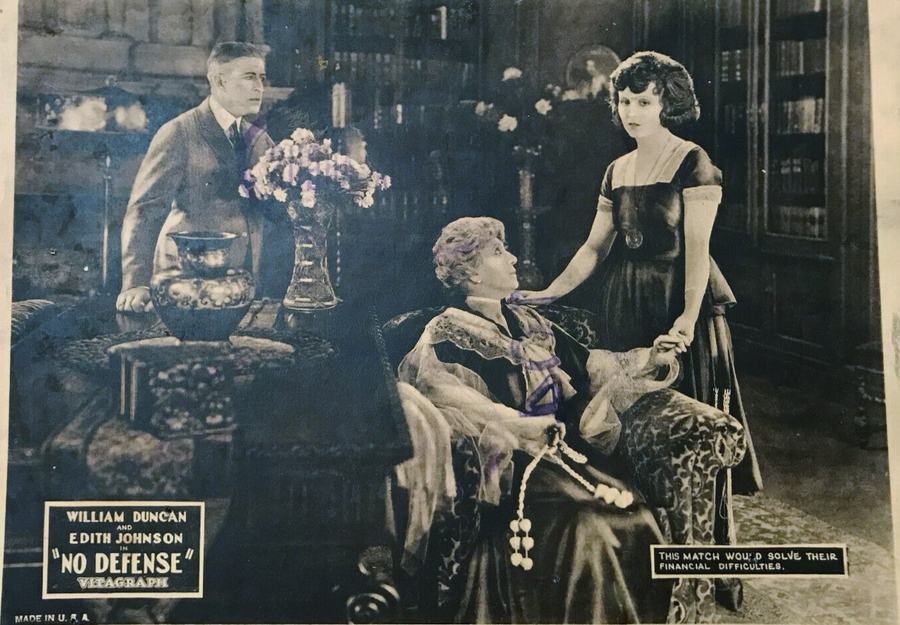
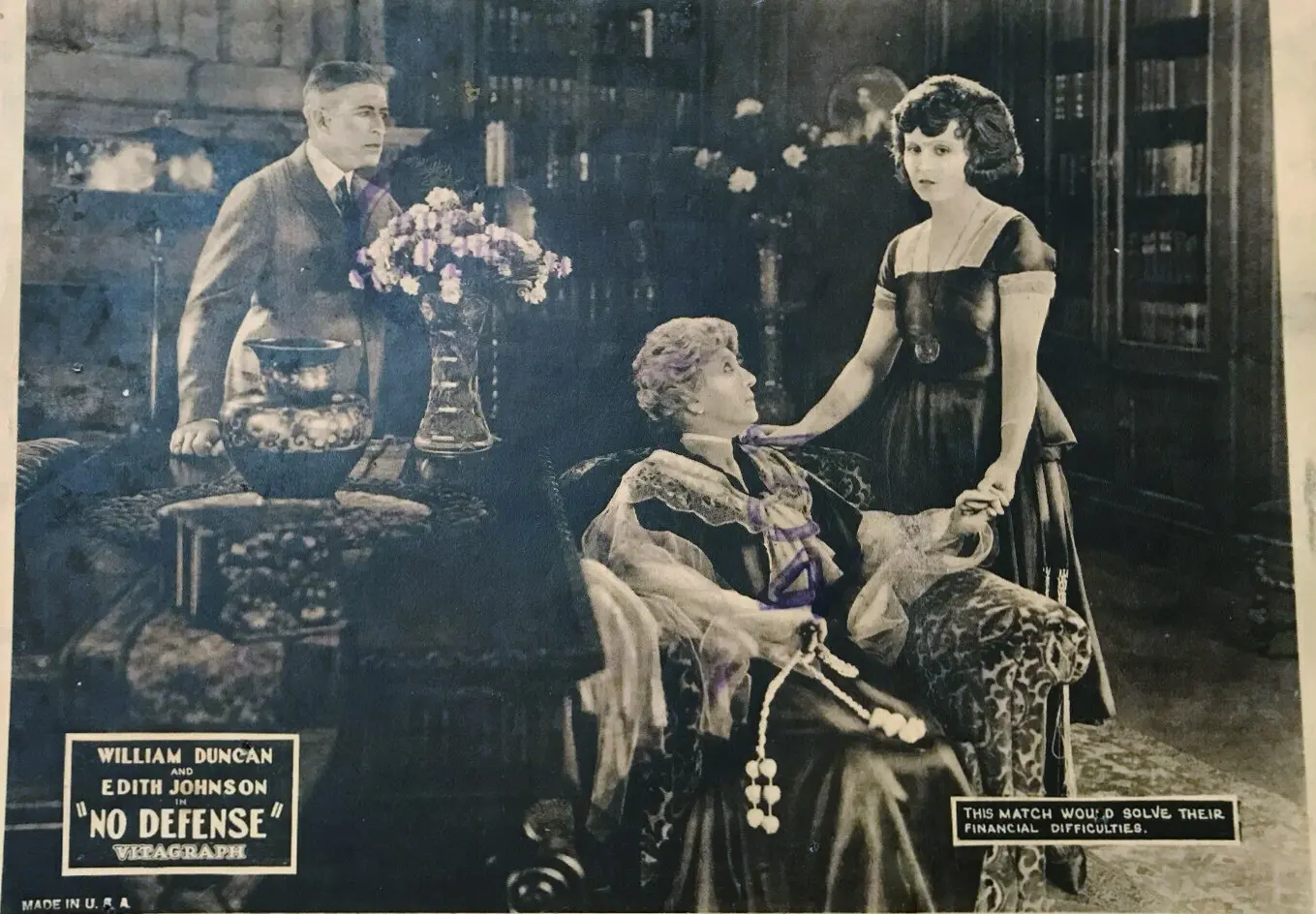
Mrs. Austin is a penniless society matron whose only hope is in a wealthy marriage for her daughter, Ethel, who favors engineer John Manning while the mother prefers wealthy lawyer Frederick Apthorpe. Manning, determining to secure his position, leaves with Milton Hulst, a crooked lawyer, in search of gold in the North, secretly marrying Ethel before departing. Manning, Hulst, and a third partner, MacRoberts, strike it rich, but Hulst steals the gold and murders MacRoberts with Manning's revolver. Manning is arrested but escapes the police and is cared for by an Indian. Meanwhile Ethel marries Apthorpe, who has become district attorney; when Hulst tries to blackmail her with evidence of her previous marriage, Manning intervenes and Hulst is killed by Ethel. Manning confesses to the crime, is prosecuted by Apthorpe, and is sentenced to be hanged. When Apthorpe is elected governor, he refuses to keep his promise to pardon Manning until Ethel threatens to expose Apthorpe and kill herself. When Manning is freed, Ethel and Apthorpe separate and she is reunited with Manning.
Decades after its release, No Defense remains a vital piece of the cinematic puzzle. Its influence can be seen in countless modern works, solidifying William Duncan's status as a master of the craft in United States and beyond.