
DbcultAccessing Vault...
Director's Spotlight
Senior Film Conservator
Director's Spotlight: United States
A Deep Dive into the 1921 Vision of William Duncan
Exploring the Drama underpinnings of Steelheart leads us to the uncompromising vision of William Duncan that defines this Drama masterpiece. Melding the raw energy of United States with a global Drama appeal, it echoes the profound changes occurring in United States during that era.
In Steelheart, William Duncan pushes the boundaries of conventional narrative. The film's unique approach to its subject matter has sparked endless debates and interpretations among cinephiles and critics alike.
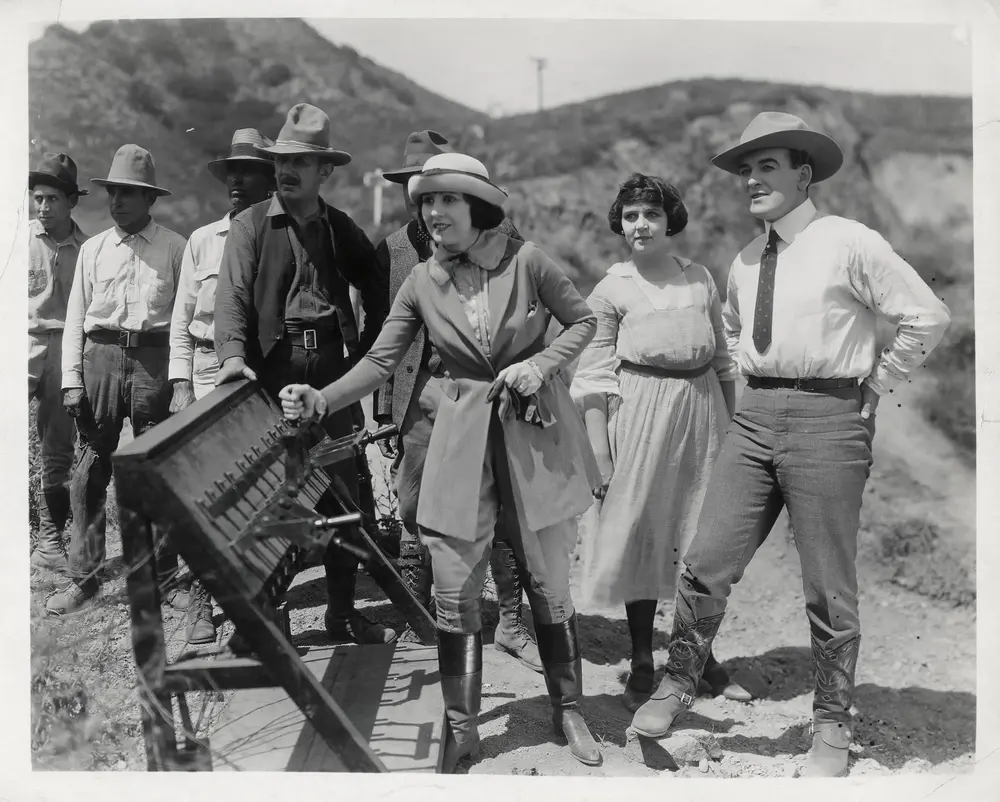
The visual language of Steelheart is defined by its use of shadows and framing, a hallmark of William Duncan's style. By utilizing a 1921-era palette, the film creates an immersive experience that perfectly complements its Drama themes.
| Cinematography | Noir-Inspired |
| Soundtrack | Minimalist |
| Editing | Disjunctive |
| Art Direction | Baroque |
Visualizing the convergence of William Duncan's style and the core Drama narrative.
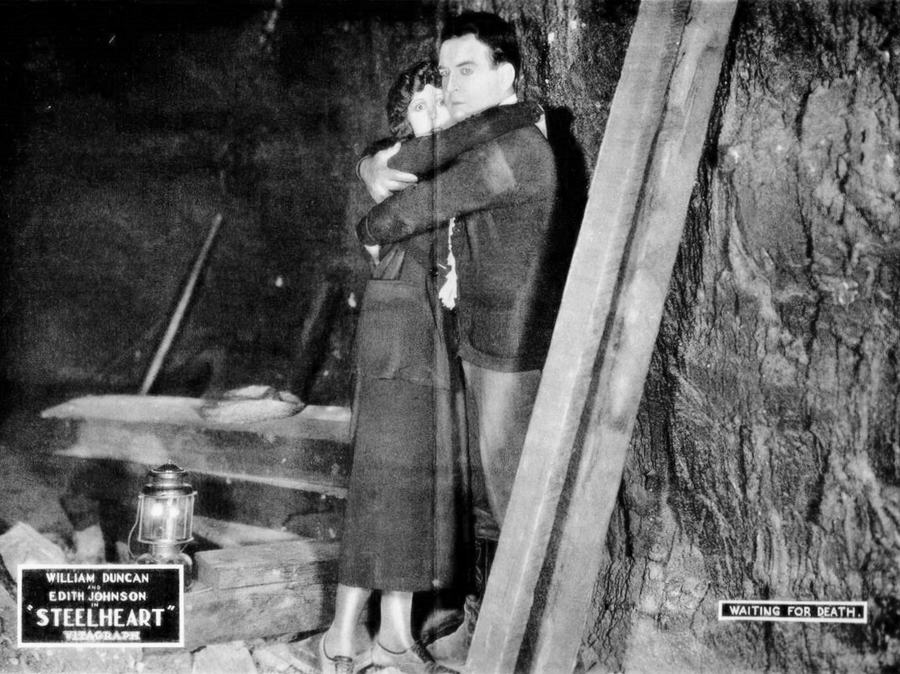
Ethel Kendall arrives at a mining town in search of her husband and is rescued from "Butch" Dorgan's disreputable cabaret by Frank Worthing, a declared woman-hater, and delivered to a respectable lodging. Worthing promises to see Ethel to her destination safely and makes an enemy of Dorgan. In a neighboring town, Ethel and Frank visit an engineer friend, and while examining a mine shaft they are trapped by a slide instigated by Dorgan's men. With death before them, Ethel and Frank confess their love; then, believing her husband to be dead, she marries him after they are saved. Dorgan and Colter, the latter an alias for Ethel's first husband, are killed in a gun battle, and all ends happily.
Decades after its release, Steelheart remains a vital piece of the cinematic puzzle. Its influence can be seen in countless modern works, solidifying William Duncan's status as a master of the craft in United States and beyond.