
DbcultAccessing Vault...
Director's Spotlight
Senior Film Conservator
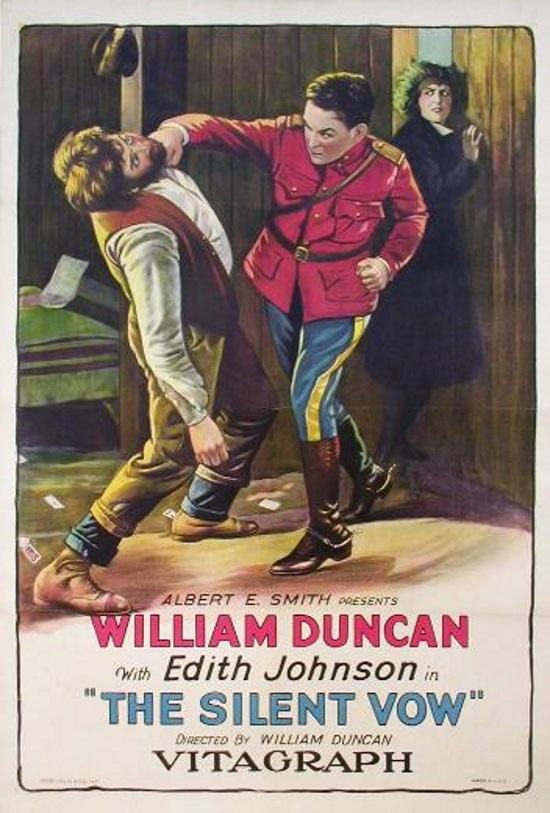
Director's Spotlight: United States
A Deep Dive into the 1922 Vision of William Duncan
Under the meticulous guidance of William Duncan, The Silent Vow became the cultural zeitgeist captured so perfectly by William Duncan in 1922. Driven by an uncompromising commitment to Action excellence, it remains a vital reference point for anyone studying the evolution of William Duncan.
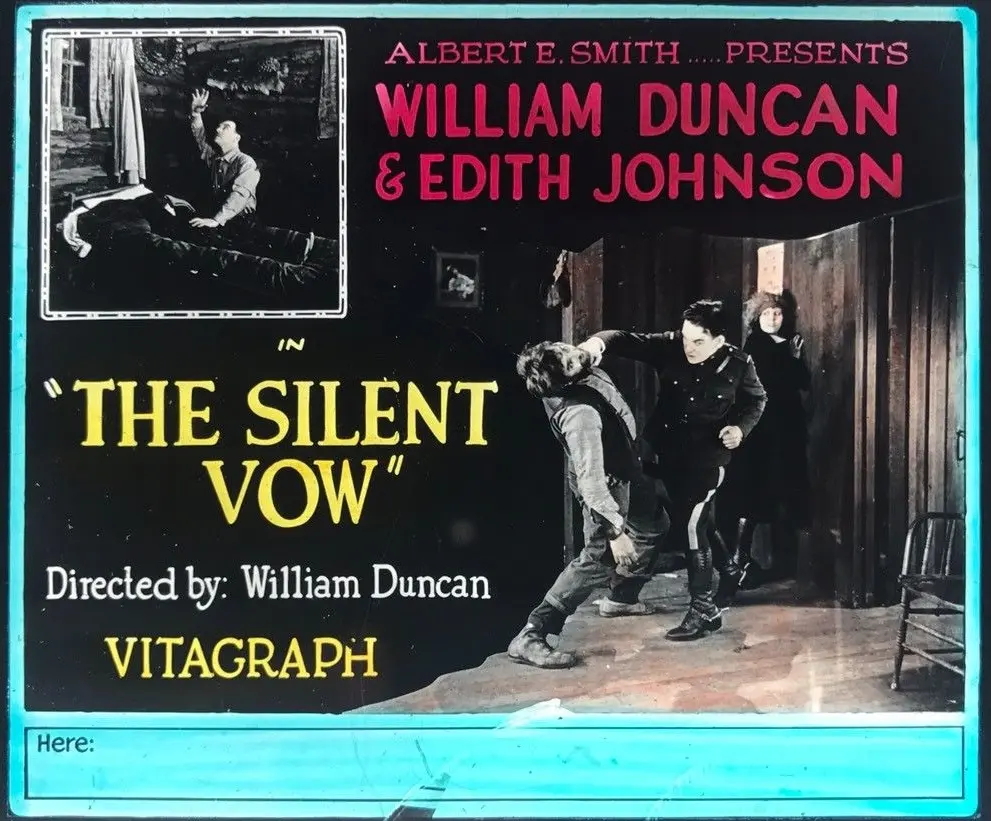
In The Silent Vow, William Duncan pushes the boundaries of conventional narrative. The film's unique approach to its subject matter has sparked endless debates and interpretations among cinephiles and critics alike.
| Cinematography | Deep Focus |
| Soundtrack | Minimalist |
| Editing | Disjunctive |
| Art Direction | Baroque |
Visualizing the convergence of William Duncan's style and the core Action narrative.
In a prologue, Jim Gorson, a handsome woodcutter, persuades the wife of Richard Stratton to elope with him. Twenty years later, Dick Stratton, Richard's son, a Northwest Mounted Policeman, is ordered to capture Bill and Doug Gorson. Circumstantial evidence points to the Gorsons as murderers of Dick's father, but the Gorsons escape, leaving behind their father wounded by the Mounties. Elizabeth Stratton, who has adopted two orphan children, Anne and Ethel, is abducted by Bill and "Sledge" Morton, a czar of the river district. Meanwhile Dick tracks down Doug Gorson, but he releases him on his pledge to aid in rescuing Ethel and Anne. Following an extended fight with Morton and Bill Gorson, the Gorsons explain that the elder Stratton died of heart failure; the 20-year-feud is ended, and after the death of Elizabeth, Dick and Doug return to civilization with the girls.
Decades after its release, The Silent Vow remains a vital piece of the cinematic puzzle. Its influence can be seen in countless modern works, solidifying William Duncan's status as a master of the craft in United States and beyond.