
DbcultAccessing Vault...
Director's Spotlight
Senior Film Conservator
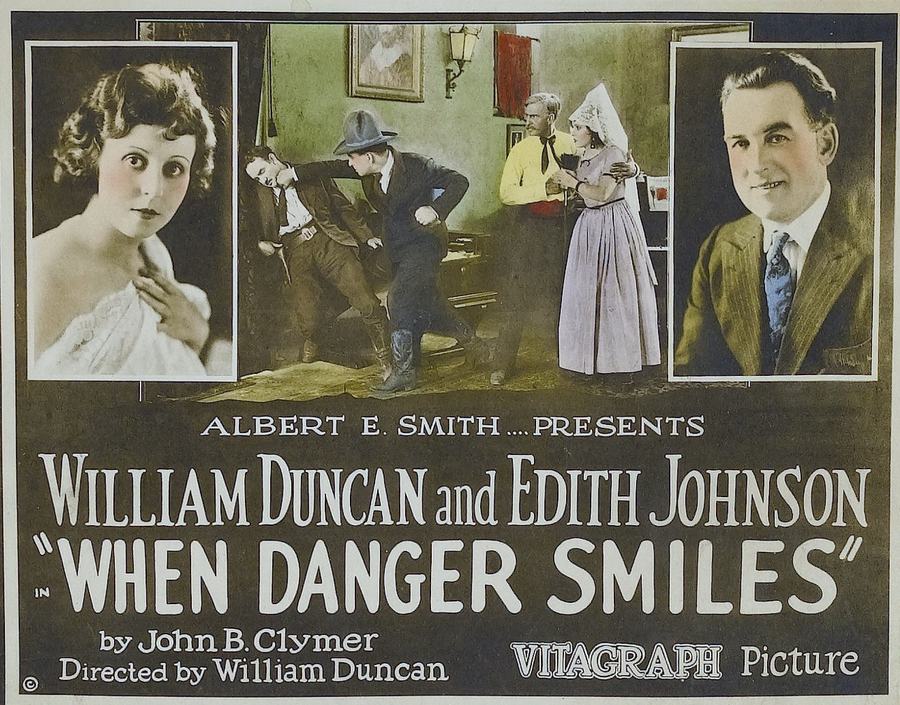
Director's Spotlight: United States
A Deep Dive into the 1922 Vision of William Duncan
Peeling back the layers of William Duncan's When Danger Smiles exposes the collaborative alchemy between William Duncan and the 1922 creative team. Anchored by a narrative that is both personal and universal, it reinforces the idea that cinema is a medium of infinite possibilities.
In When Danger Smiles, William Duncan pushes the boundaries of conventional narrative. The film's unique approach to its subject matter has sparked endless debates and interpretations among cinephiles and critics alike.
To fully appreciate When Danger Smiles, one must consider the cinematic climate of 1922. During this period, United States was undergoing significant artistic shifts, and William Duncan was at the forefront of this Western movement, often challenging established norms.
| Cinematography | Deep Focus |
| Soundtrack | Synth-Heavy |
| Editing | Disjunctive |
| Art Direction | Baroque |
Visualizing the convergence of William Duncan's style and the core Western narrative.
Ray Chapman becomes intrigued with veiled Frania Caravalle at a dance, but he is unable to learn her name. Soon afterward, he attempts to help a robbery victim, is injured, and is taken to the Caravalle home, where he is nursed by Frania. In his dazed condition he neither recognizes Frania nor remembers their encounter; therefore, when Ray agrees with Francisco Caravalle to become betrothed to his daughter, he still does not recognize Frania. She is infuriated and plots with her hated former suitor, Jacob Holnar, to kill Ray. Instead, Ray's friend, Jim Barker, is killed, and Ray is suspected of that murder. Just as he is about to be lynched his horse drags him away, but Frania, who now understands the situation, arrives to save him. Holnar confesses, and the lovers are united.
Decades after its release, When Danger Smiles remains a vital piece of the cinematic puzzle. Its influence can be seen in countless modern works, solidifying William Duncan's status as a master of the craft in United States and beyond.