
DbcultAccessing Vault...
Director's Spotlight
Senior Film Conservator
Director's Spotlight: United States
A Deep Dive into the 1914 Vision of William F. Haddock
Exploring the cult underpinnings of The Banker's Daughter leads us to the stylistic boundaries pushed by William F. Haddock during the production. Through a lens of existential fatalism and cult tropes, it continues to spark endless debates among critics and cinephiles alike.
In The Banker's Daughter, William F. Haddock pushes the boundaries of conventional narrative. The film's unique approach to its subject matter has sparked endless debates and interpretations among cinephiles and critics alike.
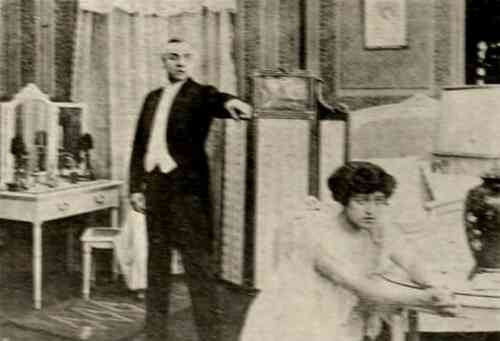
In this work, William F. Haddock explores the intersection of cult and United States cultural identity. The meticulous attention to detail suggests a deep-seated commitment to pushing the boundaries of the medium, ensuring that The Banker's Daughter remains a relevant topic of study for cult enthusiasts.
| Cinematography | Noir-Inspired |
| Soundtrack | Diegetic |
| Editing | Elliptical |
| Art Direction | Expressionist |
Visualizing the convergence of William F. Haddock's style and the core cult narrative.
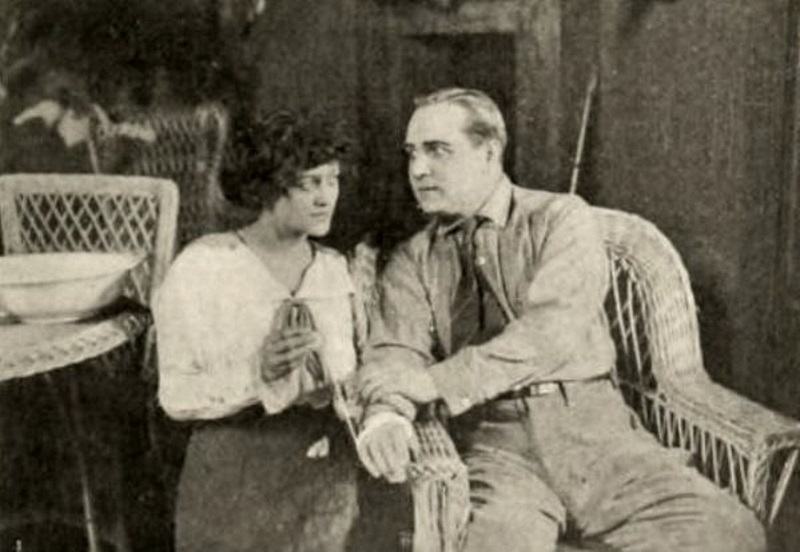
Lawrence Westbrook, banker and club man, neglects his business for pleasure. His daughter, Lillian, is in love with Harold Routledge, a poor artist. The Count de Carojac also loves the banker's daughter. To make Harold jealous, Lillian flirts with the count, which causes a severe quarrel between the lovers. John Strebelow, a friend of the family, suggests that the tired banker and his family join him in a visit to his bunting camp in the Maine woods. While hunting, Strebelow injures his hand. Lillian, with the quick wit of a woman, washes and bandages the wound, awakening love within John Strebelow's heart. To save the name of Babbage and Westbrook, the banker pleads with his daughter to marry the rich John Strebelow. Loving Harold Routledge, but remembering the wish of her dying mother, she makes the sacrifice. Sis years later, Strebelow is living happily in Paris with his wife and child, Natalie. He meets Harold Routledge, now a famous artist, and invites him to call. The sight of Lillian awakens the old love. The count, seeing a chance to be revenged, insults Harold Routledge at a reception of the American Embassy. A duel is arranged in which Routledge is killed. Strebelow swears revenge upon the death of his friend, and for his wife's honor, later kills the Count de Carojac. The belief that his wife still loved Harold Routledge causes a separation between them. Strebelow tells of his great love for Lillian and vows to return as soon as Lillian proves that her love is true and sends for him. The sweet, imploring letters of his daughter, Natalie, bring a reconciliation between husband and wife, which is again broken, owing to Lillian's ignorance of the contents of these letters, which had been dictated by Aunt Fannie in the hopes of affecting this reconciliation. When the bonds of love seem to be broken again, Natalie shows Strebelow a letter written by her mother, the last appeal causing a final reunion.
Decades after its release, The Banker's Daughter remains a vital piece of the cinematic puzzle. Its influence can be seen in countless modern works, solidifying William F. Haddock's status as a master of the craft in United States and beyond.