
DbcultAccessing Vault...
Director's Spotlight
Senior Film Conservator
Director's Spotlight: United States
A Deep Dive into the 1919 Vision of William Humphrey
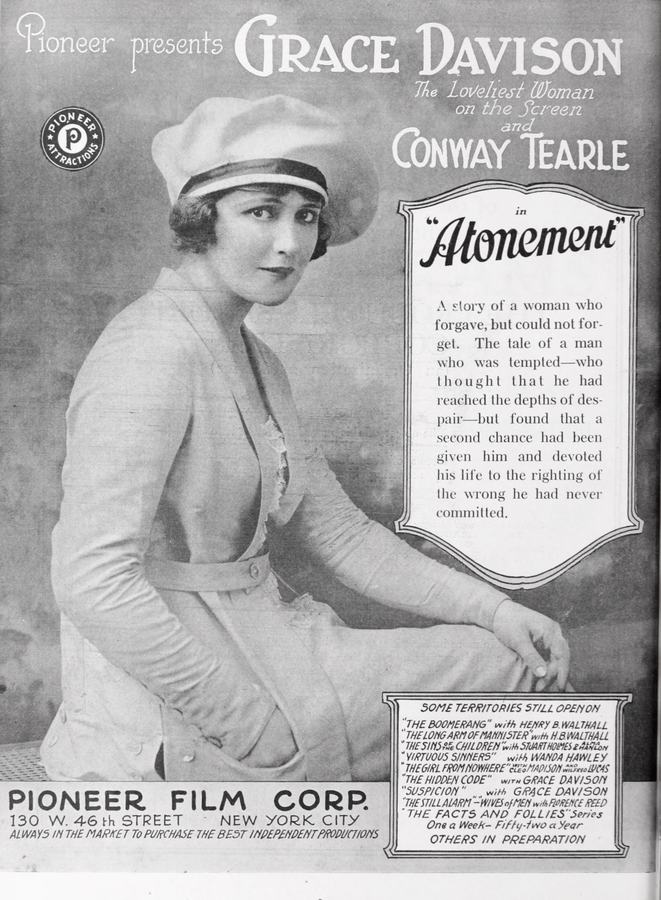
To understand the modern evolution of United States film, one must first look at Atonement and the collaborative alchemy between William Humphrey and the 1919 creative team. Subverting the expectations of the typical 1919 audience, it remains a vital reference point for anyone studying the evolution of William Humphrey.
In Atonement, William Humphrey pushes the boundaries of conventional narrative. The film's unique approach to its subject matter has sparked endless debates and interpretations among cinephiles and critics alike.
To fully appreciate Atonement, one must consider the cinematic climate of 1919. During this period, United States was undergoing significant artistic shifts, and William Humphrey was at the forefront of this cult movement, often challenging established norms.
| Cinematography | High-Contrast |
| Soundtrack | Synth-Heavy |
| Editing | Disjunctive |
| Art Direction | Baroque |
Visualizing the convergence of William Humphrey's style and the core cult narrative.
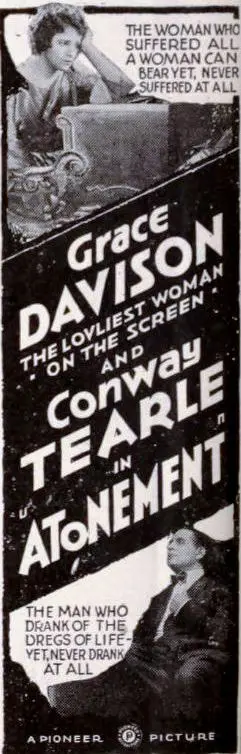
Young Laura Hamilton turns down a marriage proposal from Vincent Carlson and marries Theodore Proctor, a bank president. Proctor's financially strapped brother asks him for help, and he has the bank loan his brother a sum of money, a bad loan that results in :Proctor being removed as president of the bank. Devastated, he fakes suicide and turns to a life of crime. His wife, thinking him dead, marries former suitor Carlton, but when Proctor is discovered to be alive, Laura is charged with bigamy. Desperate to save his wife, Proctor plans on actually committing suicide when something happens that negates all his plans.
Decades after its release, Atonement remains a vital piece of the cinematic puzzle. Its influence can be seen in countless modern works, solidifying William Humphrey's status as a master of the craft in United States and beyond.