
DbcultAccessing Vault...
Director's Spotlight
Senior Film Conservator
Director's Spotlight: France
A Deep Dive into the 1915 Vision of William Le Queux
As we revisit the 1915 masterpiece Sadounah, we are struck by the meticulous attention to detail that William Le Queux applied to every frame. Anchored by a narrative that is both personal and universal, it bridges the gap between traditional cult and contemporary vision.
In Sadounah, William Le Queux pushes the boundaries of conventional narrative. The film's unique approach to its subject matter has sparked endless debates and interpretations among cinephiles and critics alike.
| Cinematography | Deep Focus |
| Soundtrack | Orchestral |
| Editing | Slow-Burn |
| Art Direction | Brutalist |
Visualizing the convergence of William Le Queux's style and the core cult narrative.
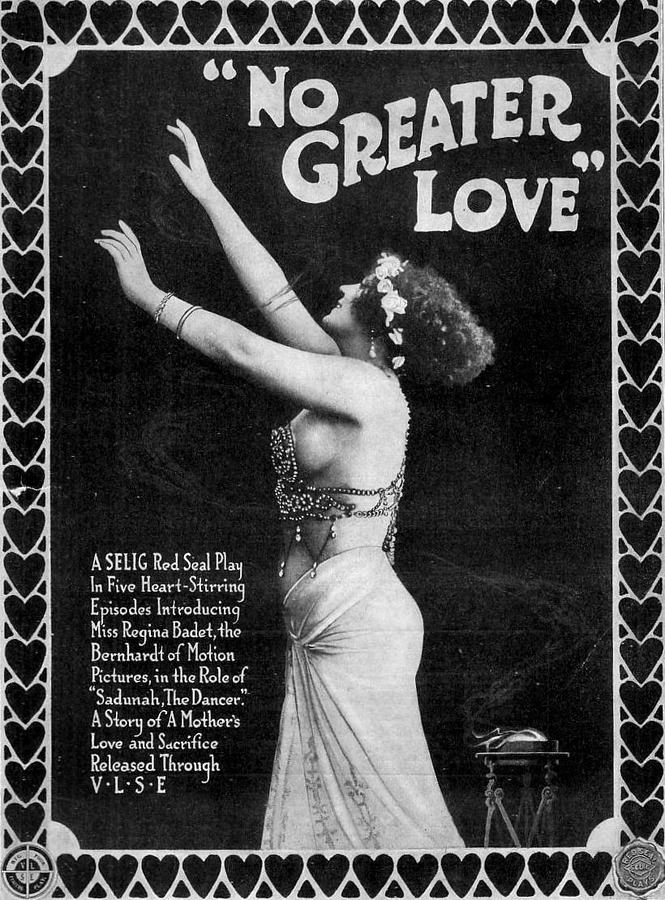
Sadunah, the Dancer, has a daughter whom she wishes to defend from worldly perils, whom she wishes to shield from the life the mother had led. Pursuing her sole ambition, Sadunah marries a rich financier and when he gets into serious trouble and it would seem that he will lose all his money, she tempts him to commit a terrible crime. But she, too, is ready to sacrifice all for mother love. The call coming, Sadunah, at whose feet the artistic world has paid homage, gives her life for her child.
Decades after its release, Sadounah remains a vital piece of the cinematic puzzle. Its influence can be seen in countless modern works, solidifying William Le Queux's status as a master of the craft in France and beyond.