
DbcultAccessing Vault...
Director's Spotlight
Senior Film Conservator
Director's Spotlight: United States
A Deep Dive into the 1925 Vision of William Nigh
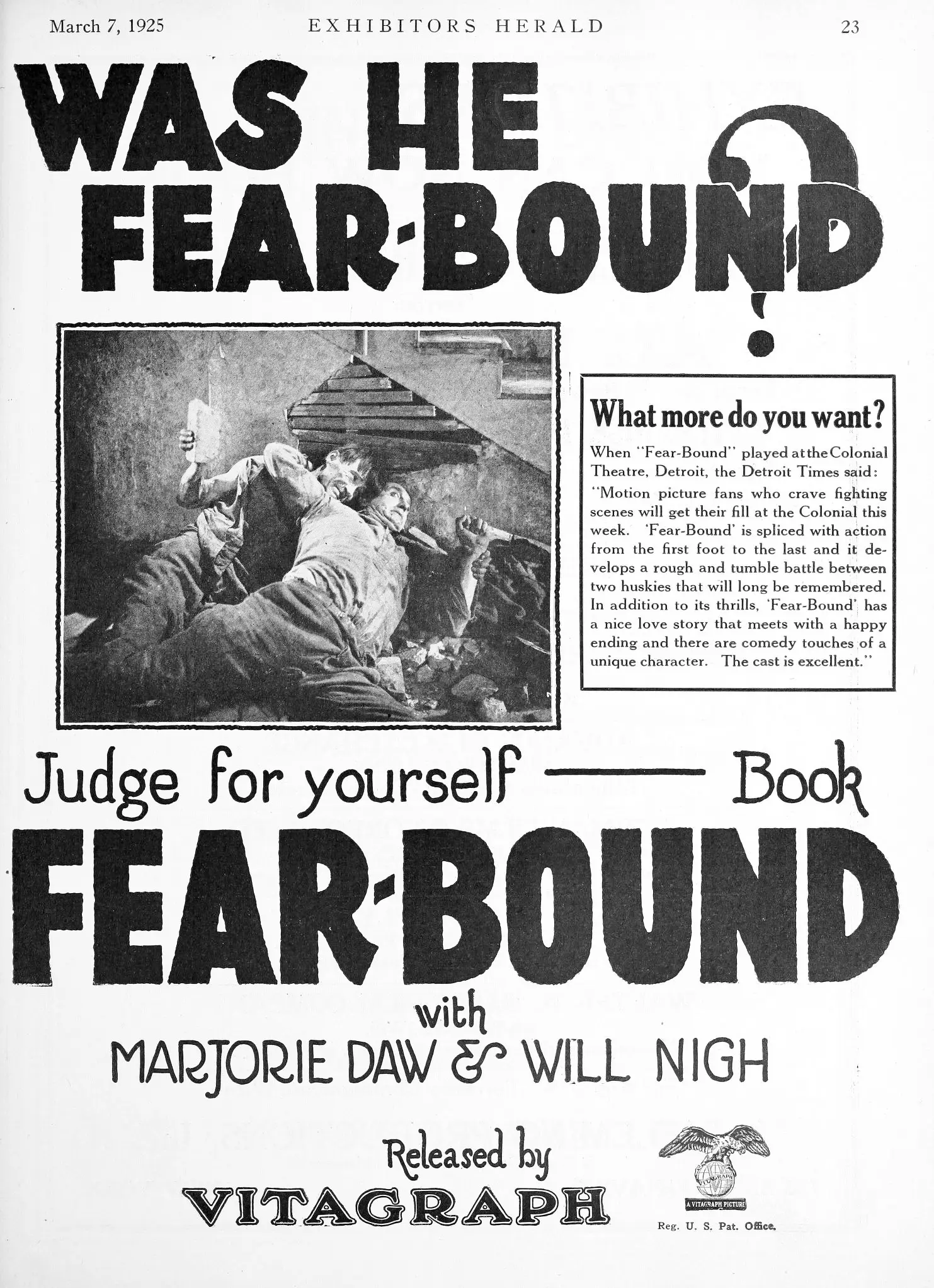
Deciphering the layers of Fear-Bound (1925) reveals the complex thematic architecture established by William Nigh. Utilizing a 1925-specific aesthetic that remains timeless, it stands as the definitive 1925 statement on Drama identity.
In Fear-Bound, William Nigh pushes the boundaries of conventional narrative. The film's unique approach to its subject matter has sparked endless debates and interpretations among cinephiles and critics alike.
| Cinematography | High-Contrast |
| Soundtrack | Diegetic |
| Editing | Rhythmic |
| Art Direction | Naturalist |
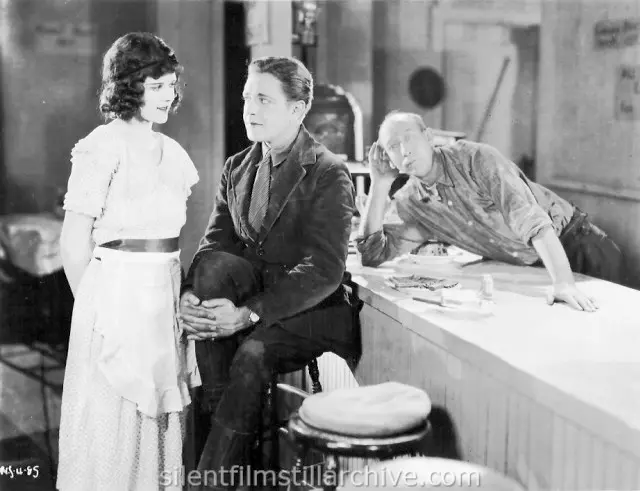
Visualizing the convergence of William Nigh's style and the core Drama narrative.
Deserted by her husband and three sons, Ma Tumble supports herself and her small daughter, Falfi, by farming. Fifteen years later, her youngest son, Jim, returns to her, wanted by the law for his part in a bank robbery. At Falfi's insistence, Ma hides Jim from the sheriff's posse and later moves with her family to another town, where she opens a restaurant. Jim gets a job guarding payrolls and ore shipments at a local mine. Recently released from jail, Pa Tumble and the other sons find Ma Tumble and, discovering Jim's job, force him to help them rob an ore shipment. After the robbery, Ma calls Jim a vile coward and forbids him to return until he proves himself a man. Brought to his senses, Jim kills one of his brothers and brings his father and other brother to justice. Jim is then welcomed back by his mother and sister and acclaimed a hero by the grateful populace.
Decades after its release, Fear-Bound remains a vital piece of the cinematic puzzle. Its influence can be seen in countless modern works, solidifying William Nigh's status as a master of the craft in United States and beyond.