
DbcultAccessing Vault...
Director's Spotlight
Senior Film Conservator
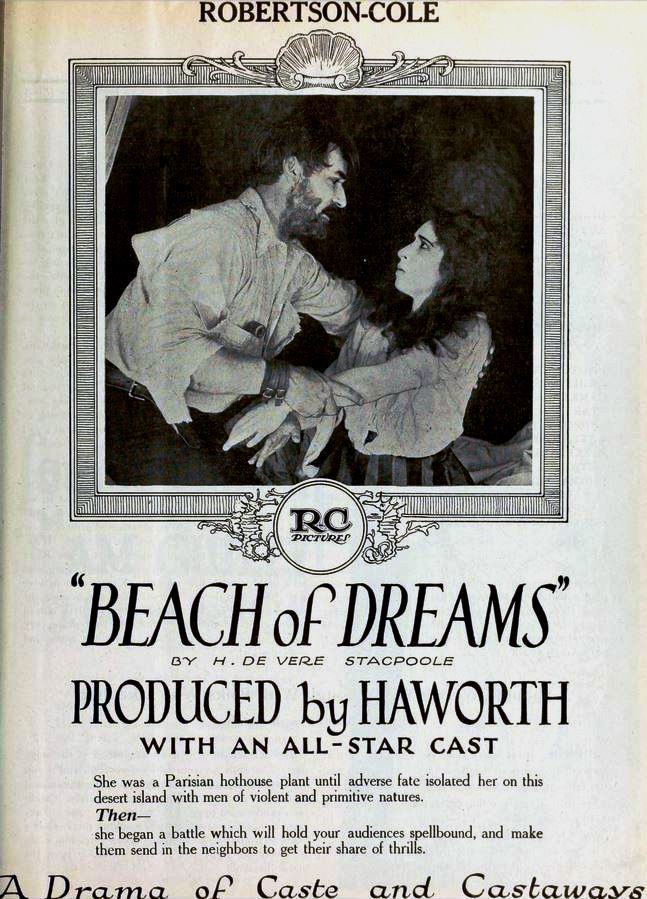
Director's Spotlight: United States
A Deep Dive into the 1921 Vision of William Parke
Deciphering the layers of Beach of Dreams (1921) reveals a monumental shift in Adventure filmmaking spearheaded by William Parke. With its avant-garde structure and atmospheric tension, offering layers of thematic complexity that demand repeated viewing.
In Beach of Dreams, William Parke pushes the boundaries of conventional narrative. The film's unique approach to its subject matter has sparked endless debates and interpretations among cinephiles and critics alike.
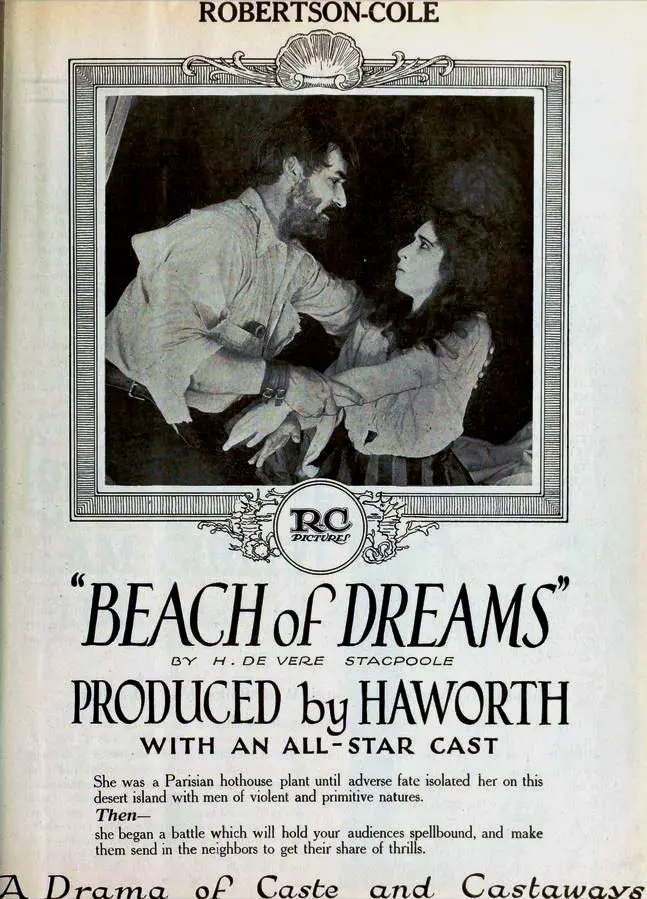
The visual language of Beach of Dreams is defined by its use of shadows and framing, a hallmark of William Parke's style. By utilizing a 1921-era palette, the film creates an immersive experience that perfectly complements its Adventure themes.
| Cinematography | Static |
| Soundtrack | Experimental |
| Editing | Invisible |
| Art Direction | Kitsch |
Visualizing the convergence of William Parke's style and the core Adventure narrative.
Parisian society girl Cleo de Bromsart is bored with her life and accepts an invitation from Prince Selm to join his yachting party. The cruise ends in disaster, and Cleo is stranded on a desert island with two sailors. One drowns in quicksand, and Cleo kills the other when he tries to rape her. Several weeks later, a derelict named Jack Raft is washed ashore and nurses the ailing woman back to health. Jack then effects their rescue by overpowering a gang of Chinese seal poachers. Upon her return to Paris, France, Cleo must choose between her fiancé, whom her parents approve, and Jack, whom she has grown to respect, and decides not to marry either.
Decades after its release, Beach of Dreams remains a vital piece of the cinematic puzzle. Its influence can be seen in countless modern works, solidifying William Parke's status as a master of the craft in United States and beyond.