
DbcultAccessing Vault...
Director's Spotlight
Senior Film Conservator
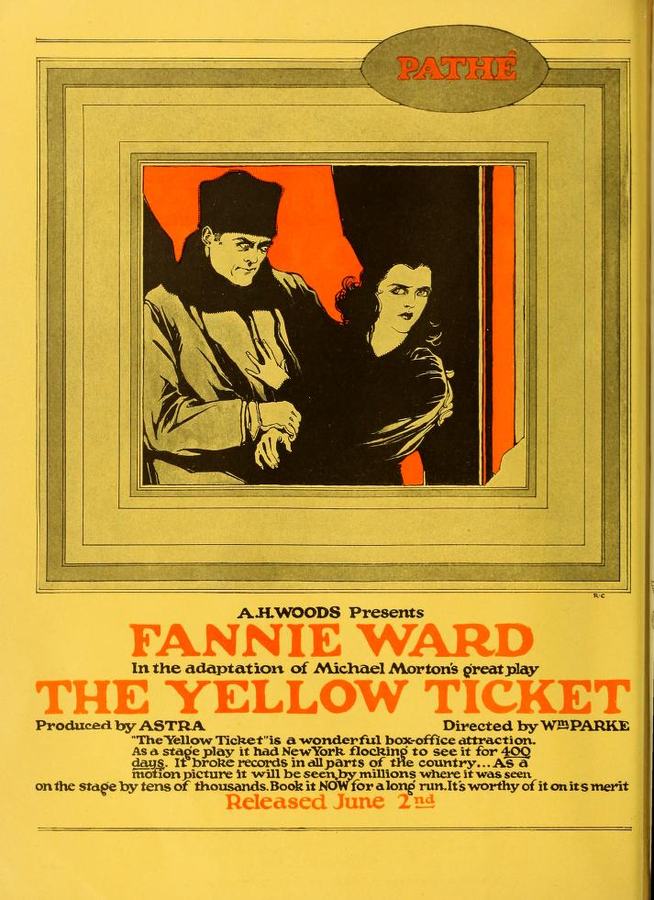
Director's Spotlight: United States
A Deep Dive into the 1918 Vision of William Parke
The enduring fascination with The Yellow Ticket is a testament to the defining moment in cult history that William Parke helped create. This film stands as a masterclass in visual storytelling, it has cemented its place in the global cult cinema archive.
In The Yellow Ticket, William Parke pushes the boundaries of conventional narrative. The film's unique approach to its subject matter has sparked endless debates and interpretations among cinephiles and critics alike.
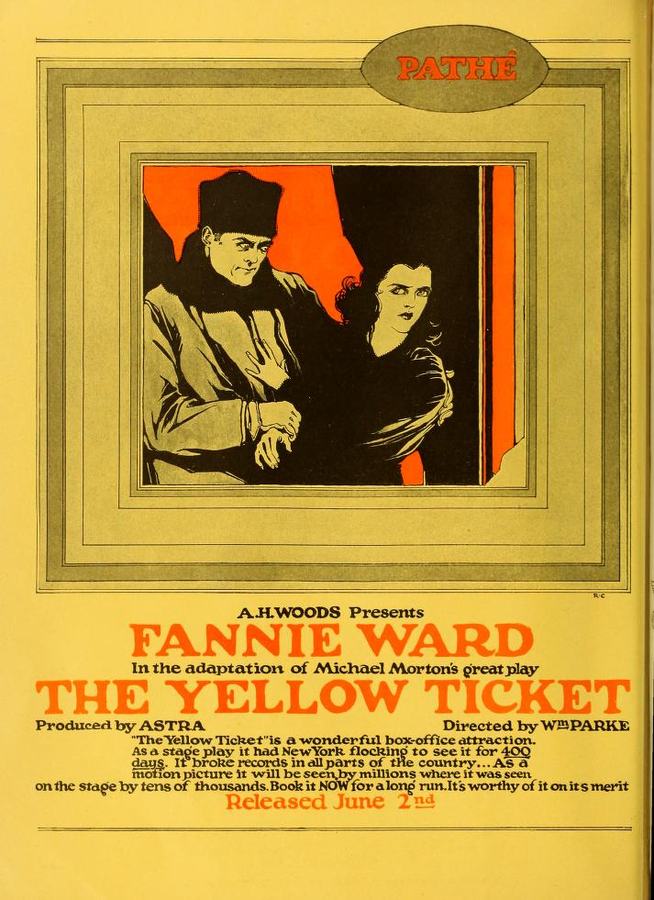
To fully appreciate The Yellow Ticket, one must consider the cinematic climate of 1918. During this period, United States was undergoing significant artistic shifts, and William Parke was at the forefront of this cult movement, often challenging established norms.
| Cinematography | Handheld |
| Soundtrack | Experimental |
| Editing | Invisible |
| Art Direction | Kitsch |
Visualizing the convergence of William Parke's style and the core cult narrative.
Anna Mirrel, a young Jewish girl in Czarist Russia, is forced to degrade herself in order to visit her father, whom she believes to be ill. She obtains a yellow passport, signifying that she is a prostitute. When she arrives in St. Petersburg, she finds her father has been killed. She encounters a young journalist and tells him of the crimes the state perpetrates against its citizens. But the pair fall into the hands of the secret police when the journalist publishes her remarks. In order to obtain their freedom, Anna must choose whether to submit to the desires of the sinister head of the police, Baron Andrey.
Decades after its release, The Yellow Ticket remains a vital piece of the cinematic puzzle. Its influence can be seen in countless modern works, solidifying William Parke's status as a master of the craft in United States and beyond.