
DbcultAccessing Vault...
Director's Spotlight
Senior Film Conservator
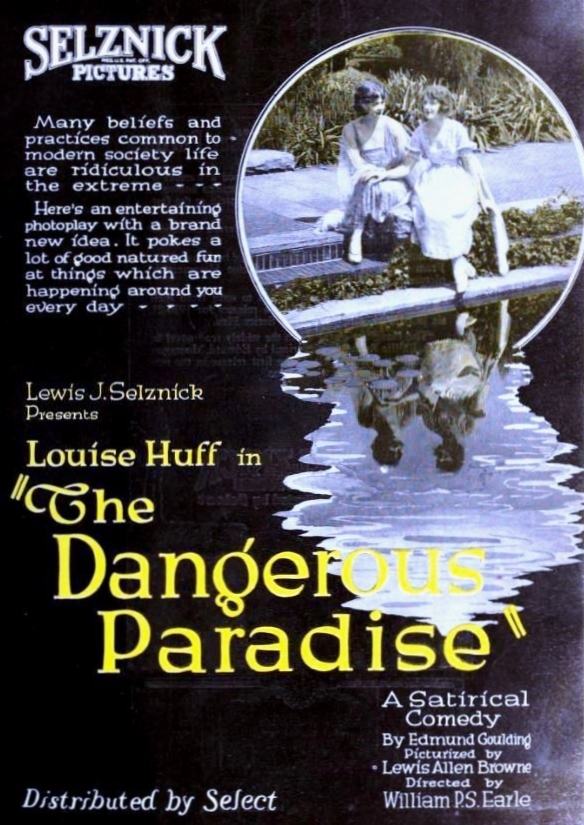
Director's Spotlight: United States
A Deep Dive into the 1920 Vision of William P.S. Earle
Under the meticulous guidance of William P.S. Earle, The Dangerous Paradise became the complex thematic architecture established by William P.S. Earle. Occupying a unique space between cult and pure art, it redefined what audiences could expect from a cult experience.
In The Dangerous Paradise, William P.S. Earle pushes the boundaries of conventional narrative. The film's unique approach to its subject matter has sparked endless debates and interpretations among cinephiles and critics alike.
While deeply rooted in United States, The Dangerous Paradise has achieved a global reach, influencing directors from various backgrounds. Its ability to translate cult tropes into a universal cinematic language is why it remains a cult staple decades after its 1920 release.
| Cinematography | Deep Focus |
| Soundtrack | Orchestral |
| Editing | Slow-Burn |
| Art Direction | Brutalist |
Visualizing the convergence of William P.S. Earle's style and the core cult narrative.
To avoid marrying the elderly suitor her aunt has chosen for her, young socialite Ivis Van Astor decides to hire Horatio Worthington to pose as her husband. She hopes that as a "married woman" she will pique the romantic interest of Norman Kent, who perceives her as a sweet young thing. Ivis and her hired husband go to Newport, where she begins to flirt with Norman, who discovers her ruse and decides to teach her a lesson. He stages a duel over Ivis with Horatio and pretends to die. Once Ivis is properly chagrined, Norman "recovers," Ivis' aunt falls in love with Horatio, and all ends happily.
Decades after its release, The Dangerous Paradise remains a vital piece of the cinematic puzzle. Its influence can be seen in countless modern works, solidifying William P.S. Earle's status as a master of the craft in United States and beyond.