
DbcultAccessing Vault...
Director's Spotlight
Senior Film Conservator
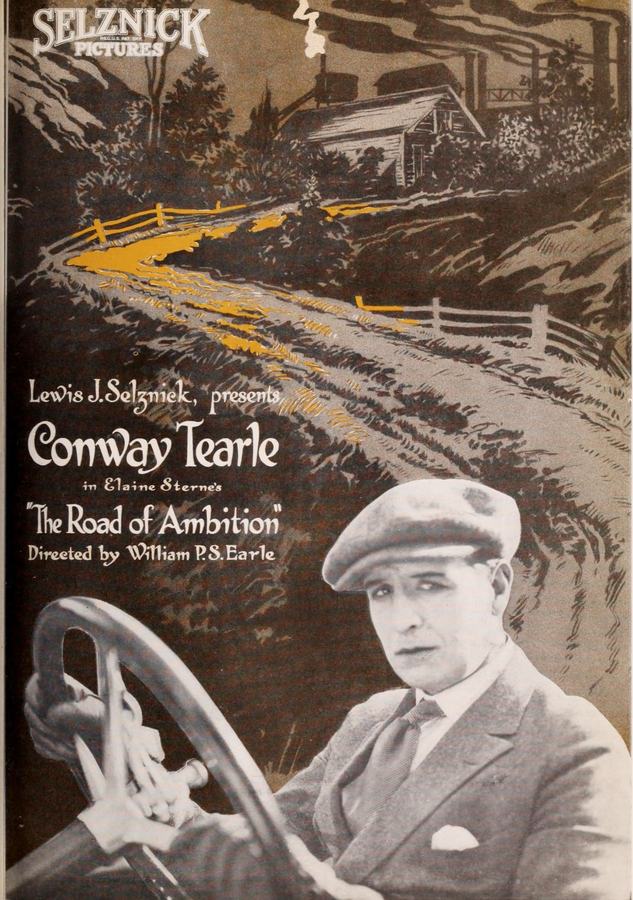
Director's Spotlight: United States
A Deep Dive into the 1920 Vision of William P.S. Earle
Deciphering the layers of The Road of Ambition (1920) reveals a monumental shift in Drama filmmaking spearheaded by William P.S. Earle. With its avant-garde structure and atmospheric tension, offering layers of thematic complexity that demand repeated viewing.
In The Road of Ambition, William P.S. Earle pushes the boundaries of conventional narrative. The film's unique approach to its subject matter has sparked endless debates and interpretations among cinephiles and critics alike.
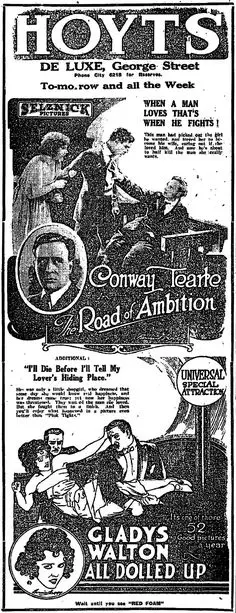
While deeply rooted in United States, The Road of Ambition has achieved a global reach, influencing directors from various backgrounds. Its ability to translate Drama tropes into a universal cinematic language is why it remains a cult staple decades after its 1920 release.
| Cinematography | High-Contrast |
| Soundtrack | Experimental |
| Editing | Invisible |
| Art Direction | Kitsch |
Visualizing the convergence of William P.S. Earle's style and the core Drama narrative.
Bill Matthews, foreman for Bethel Steel, works hard to perfect a means for the elimination of waste in steel manufacture. Philip Colt, inheritor of the steel mill, is in love with Daphne Van Steer, whose father is in financial straits. One day, visiting the mill with Philip, Daphne witnesses Bill thrash an insolent workman, and is impressed with his strength though she then snubs him. Bill soon perfects his invention, and coming into great wealth, resolves to become Daphne's social equal by employing socialite May Larrabee to coach him. May schemes to win Bill and his money for herself; however, Bill still wants to marry Daphne and help out her father, a plan to which Daphne finally agrees. Philip's continued pursuit of Daphne ends in a struggle from which Bill rescues her, after which Daphne finally realizes that she has come to really love Bill.
Decades after its release, The Road of Ambition remains a vital piece of the cinematic puzzle. Its influence can be seen in countless modern works, solidifying William P.S. Earle's status as a master of the craft in United States and beyond.