
DbcultAccessing Vault...
Director's Spotlight
Senior Film Conservator
Director's Spotlight: United States
A Deep Dive into the 1916 Vision of William Robert Daly
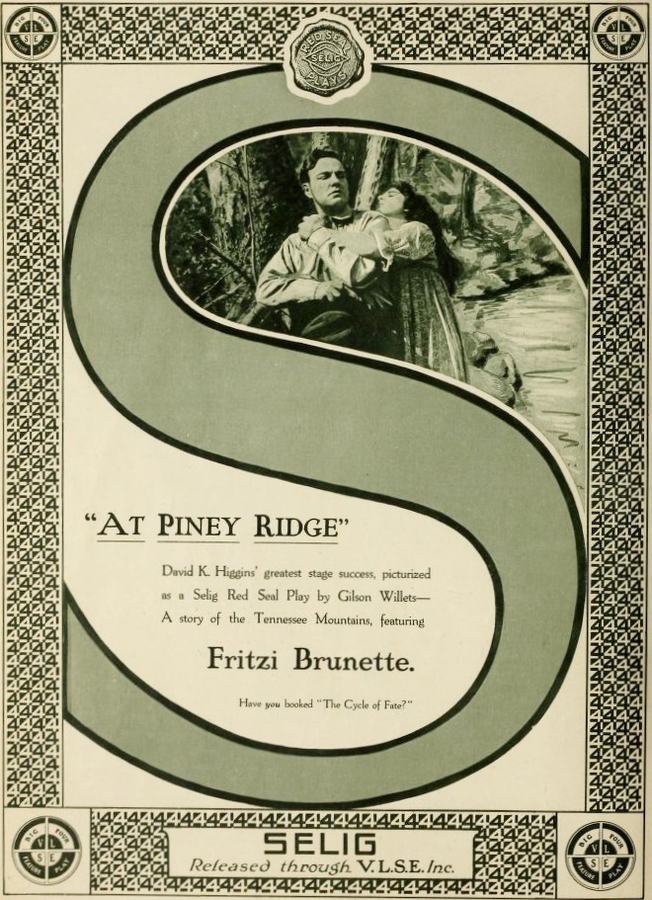
When we examine the cinematic landscape of United States, At Piney Ridge emerges as a landmark work of the unique directorial voice that William Robert Daly brought to the screen. This film stands as a masterclass in visual storytelling, it demands to be seen by anyone who cares about the art of film.
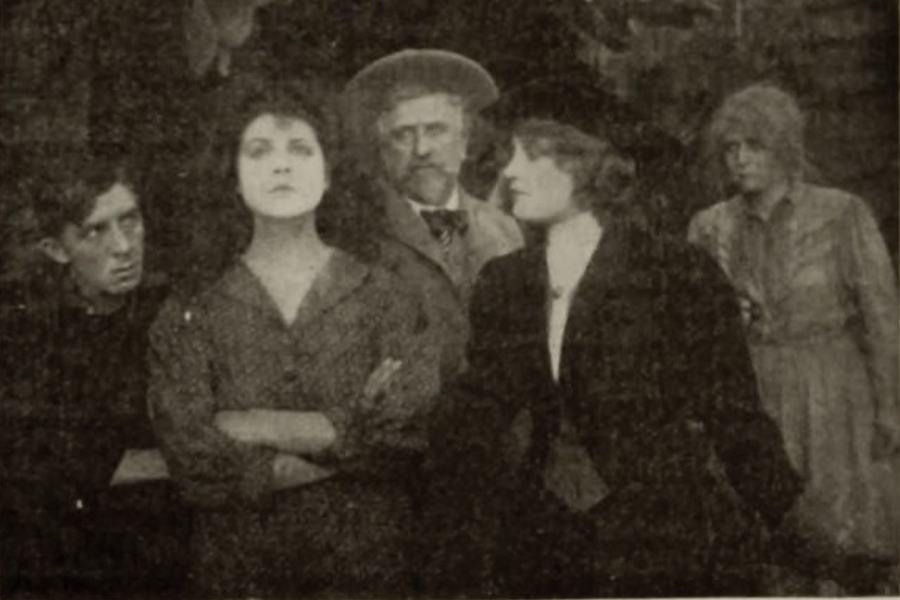
In At Piney Ridge, William Robert Daly pushes the boundaries of conventional narrative. The film's unique approach to its subject matter has sparked endless debates and interpretations among cinephiles and critics alike.
| Cinematography | Static |
| Soundtrack | Orchestral |
| Editing | Invisible |
| Art Direction | Kitsch |
Visualizing the convergence of William Robert Daly's style and the core cult narrative.
When Cindy Lane becomes pregnant, Mark Brierson, the father, refuses to marry her. Instead, Brierson romances Azalia Deering, whose father, General Deering, owns the town bank. Brierson misuses bank funds, but the bank is saved by Jack Rose, a wealthy farmer. Cindy's father Zeb vows to kill her lover, but she refuses to reveal the man's identity. Brierson realizes that Azalia and Jack love each other, and so, to eliminate his rival, he tells Zeb that Jack is the child's father. To disgrace Jack further, Brierson convinces Dagmar, a black woman, to claim Jack as her son, but Zeb is told that Brierson is the father of Cindy's child and is also Dagmar's son. In the end, Zeb kills Brierson, who, before he dies, learns from Dagmar that although she is not his mother, he is black. Jack marries Azalia, and Cindy, whose child has died, goes back to the man she loved before Brierson.
Decades after its release, At Piney Ridge remains a vital piece of the cinematic puzzle. Its influence can be seen in countless modern works, solidifying William Robert Daly's status as a master of the craft in United States and beyond.