
DbcultAccessing Vault...
Director's Spotlight
Senior Film Conservator
Director's Spotlight: United States
A Deep Dive into the 1916 Vision of William S. Hart
Exploring the cult underpinnings of The Apostle of Vengeance leads us to the stylistic boundaries pushed by William S. Hart during the production. Through a lens of existential fatalism and cult tropes, it continues to spark endless debates among critics and cinephiles alike.
In The Apostle of Vengeance, William S. Hart pushes the boundaries of conventional narrative. The film's unique approach to its subject matter has sparked endless debates and interpretations among cinephiles and critics alike.
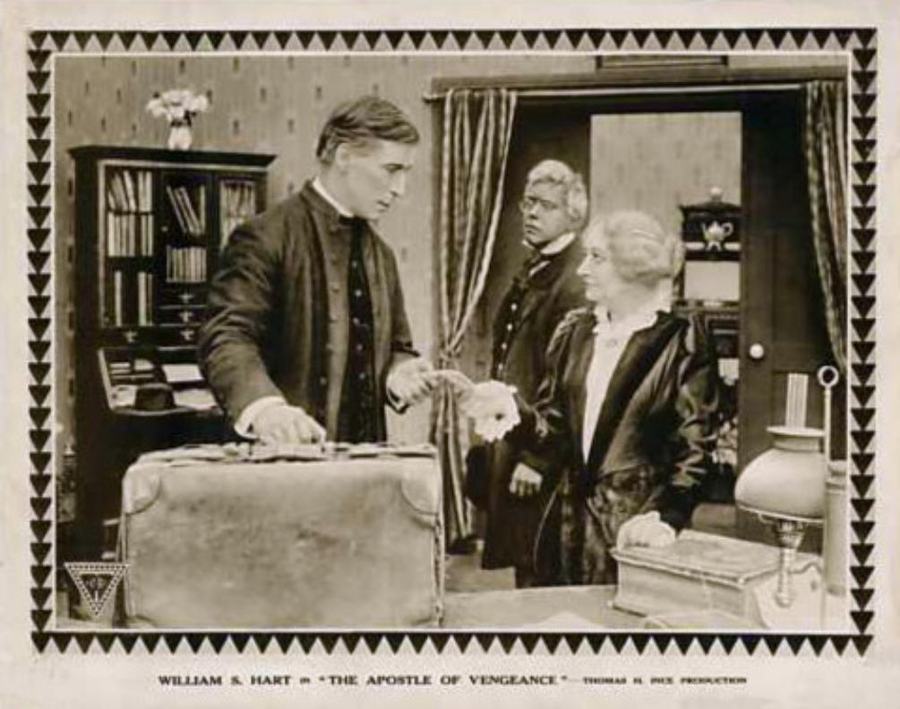
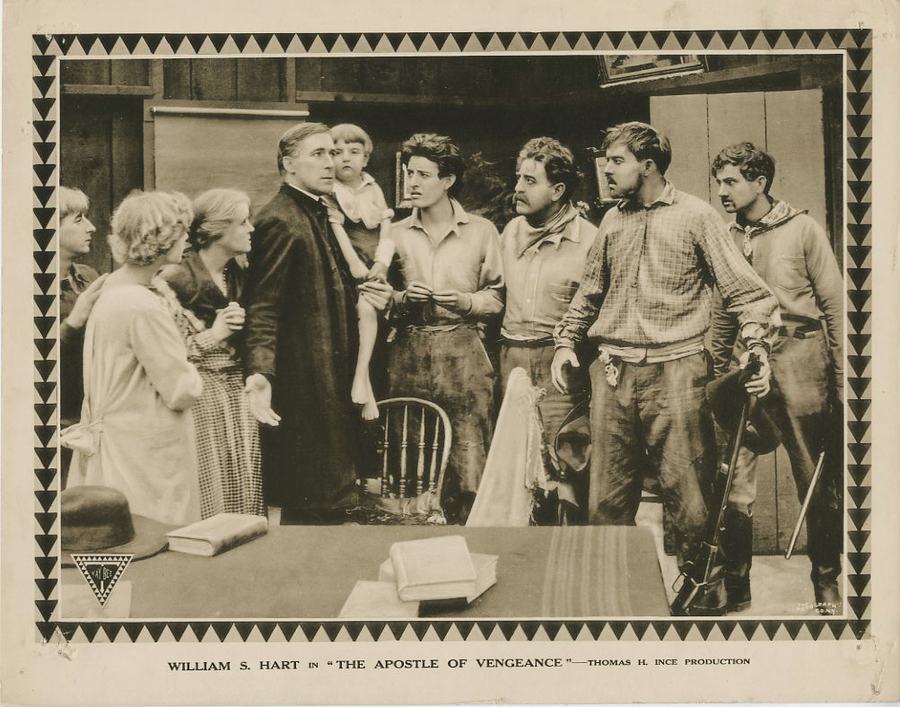
In this work, William S. Hart explores the intersection of cult and United States cultural identity. The meticulous attention to detail suggests a deep-seated commitment to pushing the boundaries of the medium, ensuring that The Apostle of Vengeance remains a relevant topic of study for cult enthusiasts.
| Cinematography | Noir-Inspired |
| Soundtrack | Diegetic |
| Editing | Rhythmic |
| Art Direction | Naturalist |
Visualizing the convergence of William S. Hart's style and the core cult narrative.
A minister who was raised in the Kentucky hills returns home from preaching in Vermont to try to end a generations-long feud between his family and another, the McCoys. His family wants nothing to do with any kind of truce, and throws him out. He moves into a small shack in the mountains, and continues his preaching of non-violence and peaceful co-existence. However, when he is forced to rescue his sister from the clutches of one of the McCoy men, he finds his philosophy put to the test.
Decades after its release, The Apostle of Vengeance remains a vital piece of the cinematic puzzle. Its influence can be seen in countless modern works, solidifying William S. Hart's status as a master of the craft in United States and beyond.