
DbcultAccessing Vault...
Director's Spotlight
Senior Film Conservator
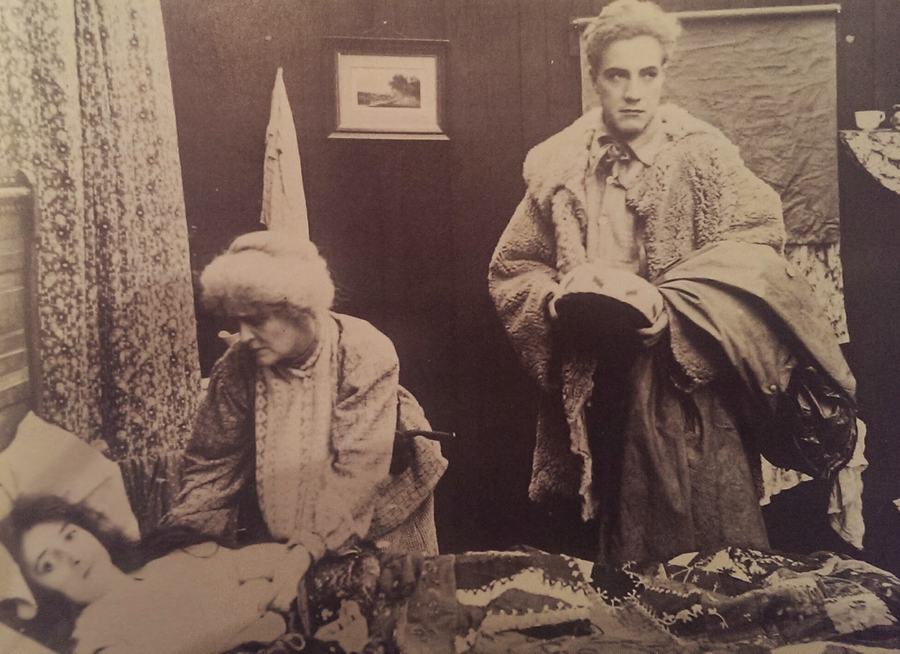
Director's Spotlight: United States
A Deep Dive into the 1915 Vision of William S. Hart
Deciphering the layers of The Darkening Trail (1915) reveals the complex thematic architecture established by William S. Hart. Utilizing a 1915-specific aesthetic that remains timeless, it stands as the definitive 1915 statement on cult identity.
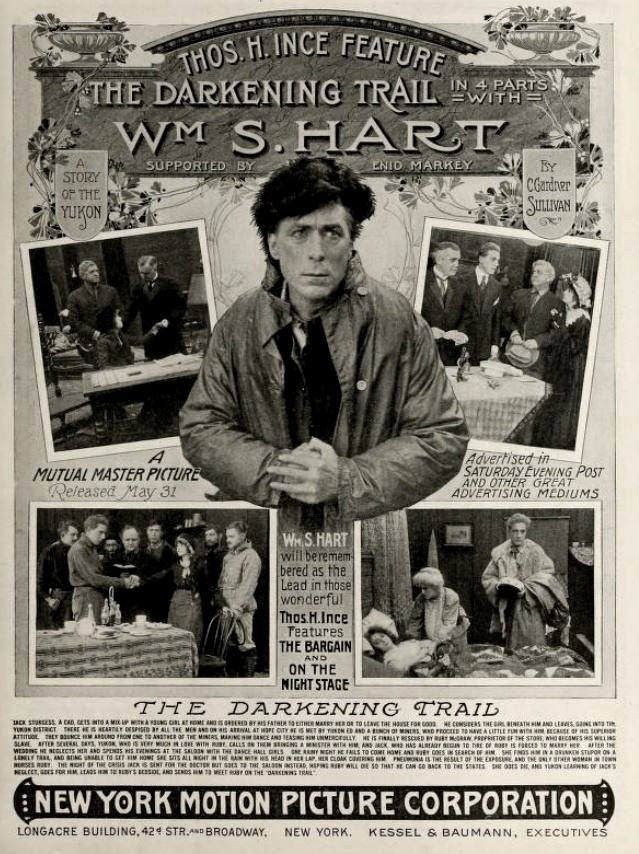
In The Darkening Trail, William S. Hart pushes the boundaries of conventional narrative. The film's unique approach to its subject matter has sparked endless debates and interpretations among cinephiles and critics alike.
| Cinematography | High-Contrast |
| Soundtrack | Minimalist |
| Editing | Slow-Burn |
| Art Direction | Brutalist |
Visualizing the convergence of William S. Hart's style and the core cult narrative.
Yukon Ed has asked saloon owner Ruby McGraw to marry him several times, and has been turned down each time. She falls for Jack Sturgess, a no-account who has seduced and abandoned a poor young girl and is escaping from his father's anger. She takes up with Jack to Ed's dismay, and soon the thing that Ed feared would happen does happen.
Decades after its release, The Darkening Trail remains a vital piece of the cinematic puzzle. Its influence can be seen in countless modern works, solidifying William S. Hart's status as a master of the craft in United States and beyond.