
DbcultAccessing Vault...
Director's Spotlight
Senior Film Conservator
Director's Spotlight: United States
A Deep Dive into the 1919 Vision of William Watson
Witnessing the stylistic transformation of cult through A Lucky Dog's Day reveals the global recognition that William Watson garnered after the release of A Lucky Dog's Day. Serving as a mirror to the anxieties of a changing world, offering layers of thematic complexity that demand repeated viewing.
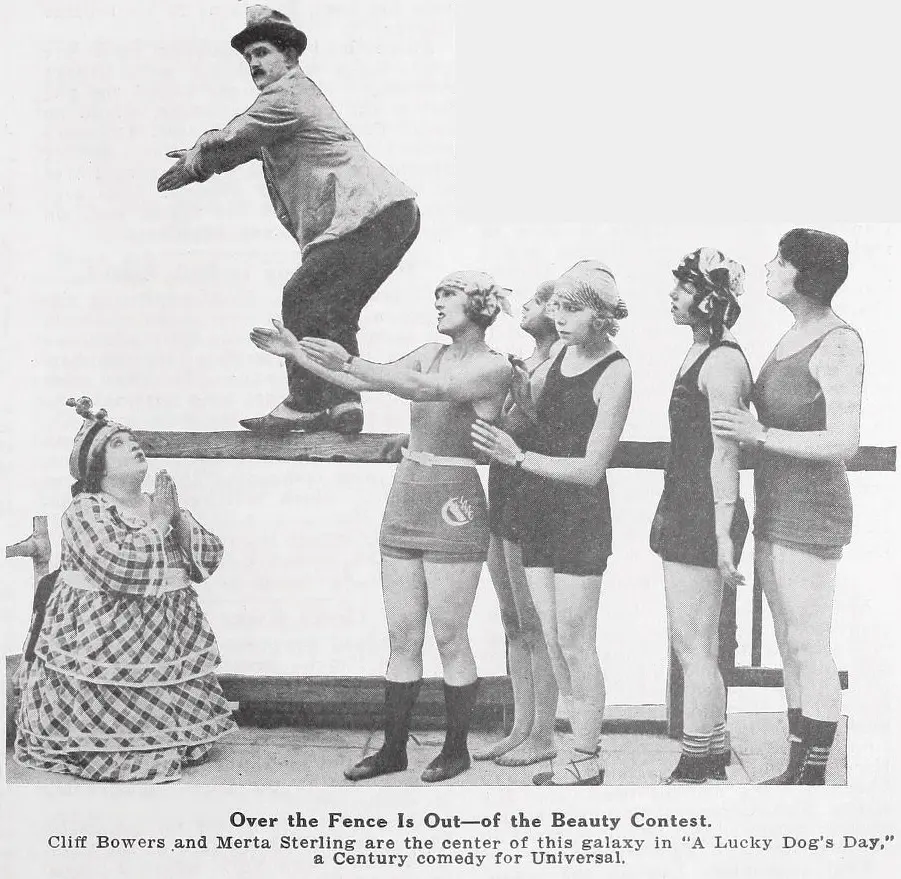
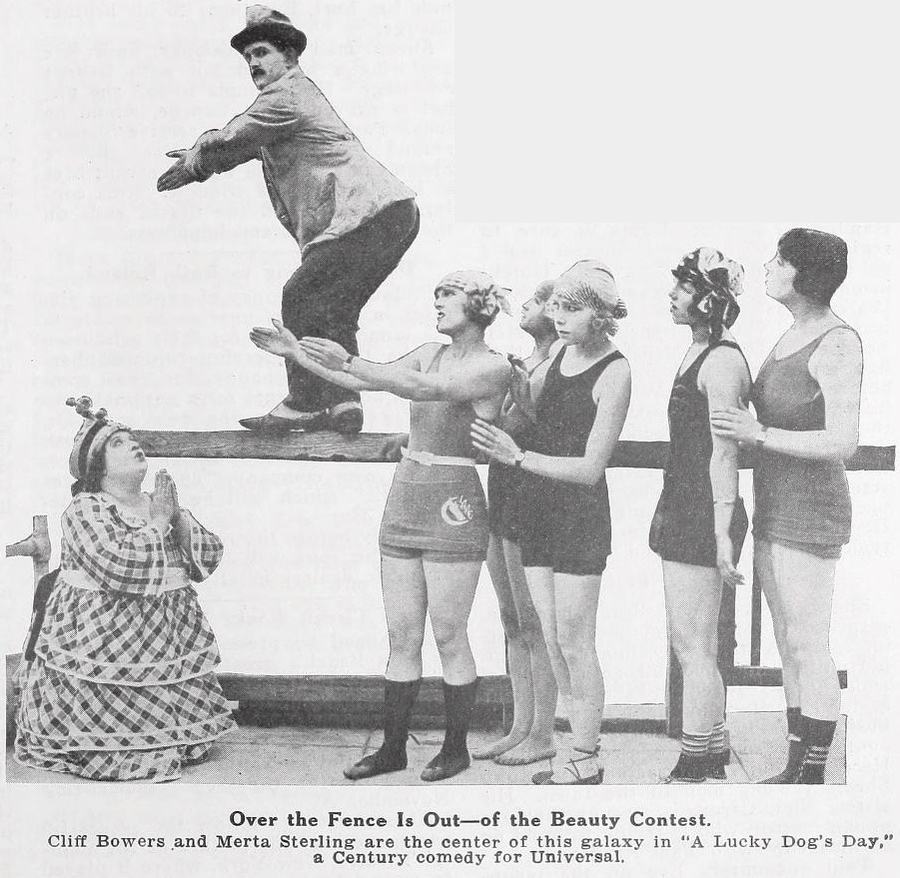
In A Lucky Dog's Day, William Watson pushes the boundaries of conventional narrative. The film's unique approach to its subject matter has sparked endless debates and interpretations among cinephiles and critics alike.
| Cinematography | Handheld |
| Soundtrack | Minimalist |
| Editing | Slow-Burn |
| Art Direction | Brutalist |
Visualizing the convergence of William Watson's style and the core cult narrative.
Mr. Newlywed was a pleasant sight for sore eyes. He was hurrying home to his own wifie. Ye Gods. what a strange sight. He was in such a hurry that Motor Mike, the Cop could not keep up with him. The cause of all this rush was the prettiest, dimpliest little wifie you have ever seen, and she had the cutest dog, who did all kinds of tricks. The, only thing that marred their happiness was the fact that their Landlord was their next door neighbor. Mrs. Landlord was a domineering factor in the whole house. Her poor husband and cat had to shimmy the way she jazzed. The Newlyweds' dog and the Landlords' cat were friendly enemies. The dog chases the cat into Mrs. Newlywed's apartment, and the poor cat seeks shelter under her bed. Mr. Landlord was very fond of his cat and therefore followed the cat under the bed. Just then, Mr. Newlywed rushed into his house to escape the Cop. Mrs. Newlywed does some antics in trying to hide the Landlord under the bed. Her husband thinks she has gone crazy and tells her to help him hold the door shut so that the Cop won't get in. She gets up, and lo and behold there is Mr. Landlord as big as life. A general melee ensues where the Newlyweds and the Landlords have a terrible scrap. The Newlyweds beat up the Landlords and leave their house. When the Landlords regain consciousness, they vow vengeance. The Newlyweds are now comfortably settled in their "Dollar down and a dollar when you catch me bungalow." Their off-spring, Brownie, helps wifie in the kitchen, and hubby in the garden. He performs some of the most wonderful tricks that have ever before been seen on the screen. Their happiness is only short-lived, for the Landlords are on the job. While they slumber sweetly at night, the Landlords attach the bungalow to a horse and drive the bungalow into the ocean. The Newlyweds awaken in mid-ocean. They put a note in Brownie's collar. He swims ashore and gets the fire boat. In the meantime the villains are on shore and glorying in their sweet revenge. The lamp in the bungalow over-turns and a fire is started. The Newlyweds climb to the roof and are rescued by the fire boat where they fade out happily.
Decades after its release, A Lucky Dog's Day remains a vital piece of the cinematic puzzle. Its influence can be seen in countless modern works, solidifying William Watson's status as a master of the craft in United States and beyond.