
DbcultAccessing Vault...
Director's Spotlight
Senior Film Conservator
Director's Spotlight: United States
A Deep Dive into the 1929 Vision of William Watson
The enduring fascination with Don't Be Nervous is a testament to the artistic risks taken by William Watson that eventually paid off. Challenging the viewer to find meaning in the Short shadows, it reminds us of the fragility and beauty of the 1929s.
In Don't Be Nervous, William Watson pushes the boundaries of conventional narrative. The film's unique approach to its subject matter has sparked endless debates and interpretations among cinephiles and critics alike.
In this work, William Watson explores the intersection of Short and United States cultural identity. The meticulous attention to detail suggests a deep-seated commitment to pushing the boundaries of the medium, ensuring that Don't Be Nervous remains a relevant topic of study for Short enthusiasts.
| Cinematography | Static |
| Soundtrack | Orchestral |
| Editing | Slow-Burn |
| Art Direction | Brutalist |
Visualizing the convergence of William Watson's style and the core Short narrative.
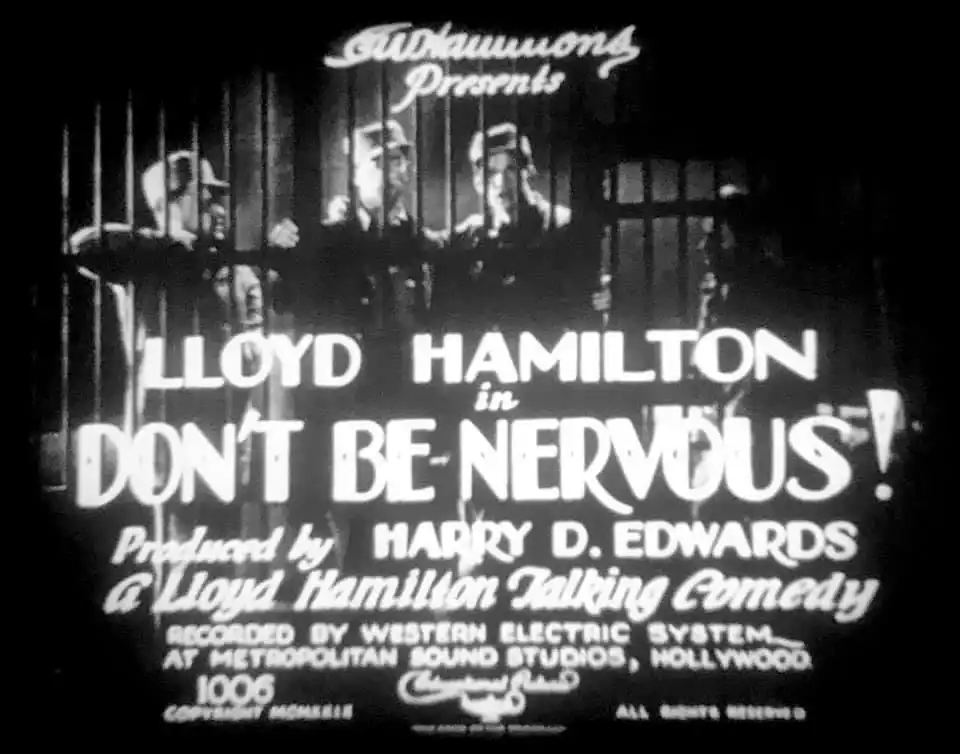
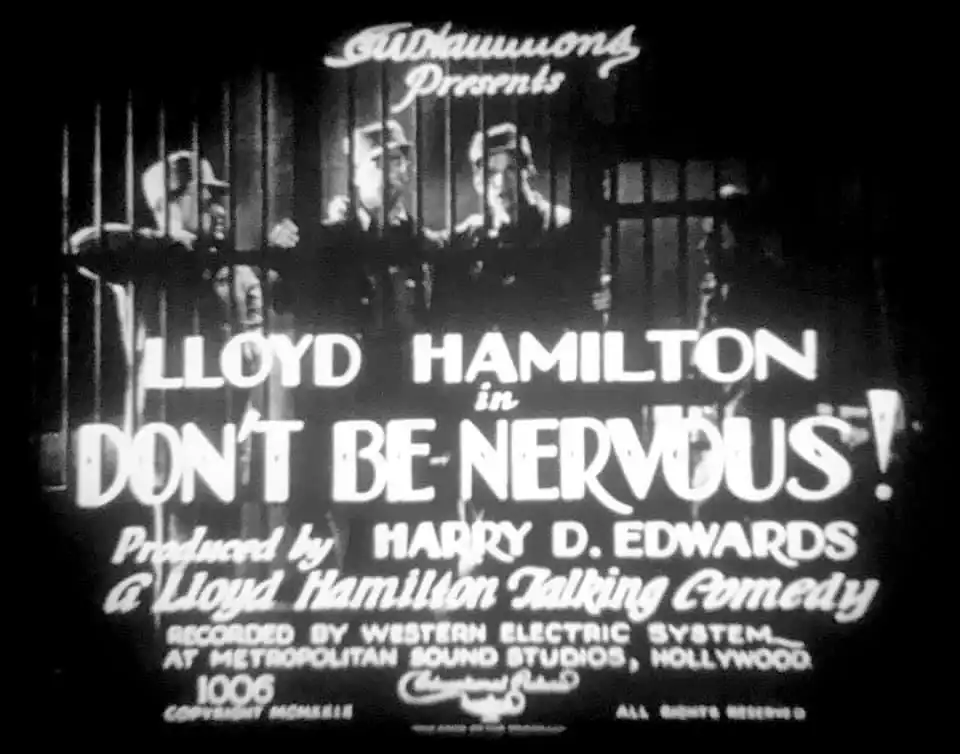
Escaped gangster "Nick the Shiek" (Lloyd Hamilton) is a dead ringer for Vernon Snodgrass, (Lloyd Hamilton). Vernon realizes it from seeing a newspaper the same time the police do, and chase him down a street where he ducks into a window that happens to be where Nick's gang is holed up. He tries to fool them that he's their leader, until the real thing shows up. At first he proposes they "Take Him For a Ride", but after seeing a threatening message from rival crime boss "Smokey O'Brien", they turn him loose. Before O'Brien or the cops grab him, Vernon is whisked off by Nick's moll to her apartment, she believing he's Nick. Soon, Nick and his men also show up, and Smokey and his just after that. They have a full scale battle in the apartment, though they seem to be armed exclusively with blackjacks. Vernon finds a box of tear gas bombs and sets them off. The police arrive to break up the fight, and all are reduced to blubbering their lines.
Decades after its release, Don't Be Nervous remains a vital piece of the cinematic puzzle. Its influence can be seen in countless modern works, solidifying William Watson's status as a master of the craft in United States and beyond.