
DbcultAccessing Vault...
Director's Spotlight
Senior Film Conservator
Director's Spotlight: United States
A Deep Dive into the 1924 Vision of William Watson
The 1924 release of Nobody to Love marked a significant moment for the enduring legacy of William Watson's artistic contribution to the genre. By challenging the status quo of 1924 cinema, it has cemented its place in the global cult cinema archive.
In Nobody to Love, William Watson pushes the boundaries of conventional narrative. The film's unique approach to its subject matter has sparked endless debates and interpretations among cinephiles and critics alike.
| Cinematography | Noir-Inspired |
| Soundtrack | Synth-Heavy |
| Editing | Rhythmic |
| Art Direction | Naturalist |
Visualizing the convergence of William Watson's style and the core Comedy narrative.
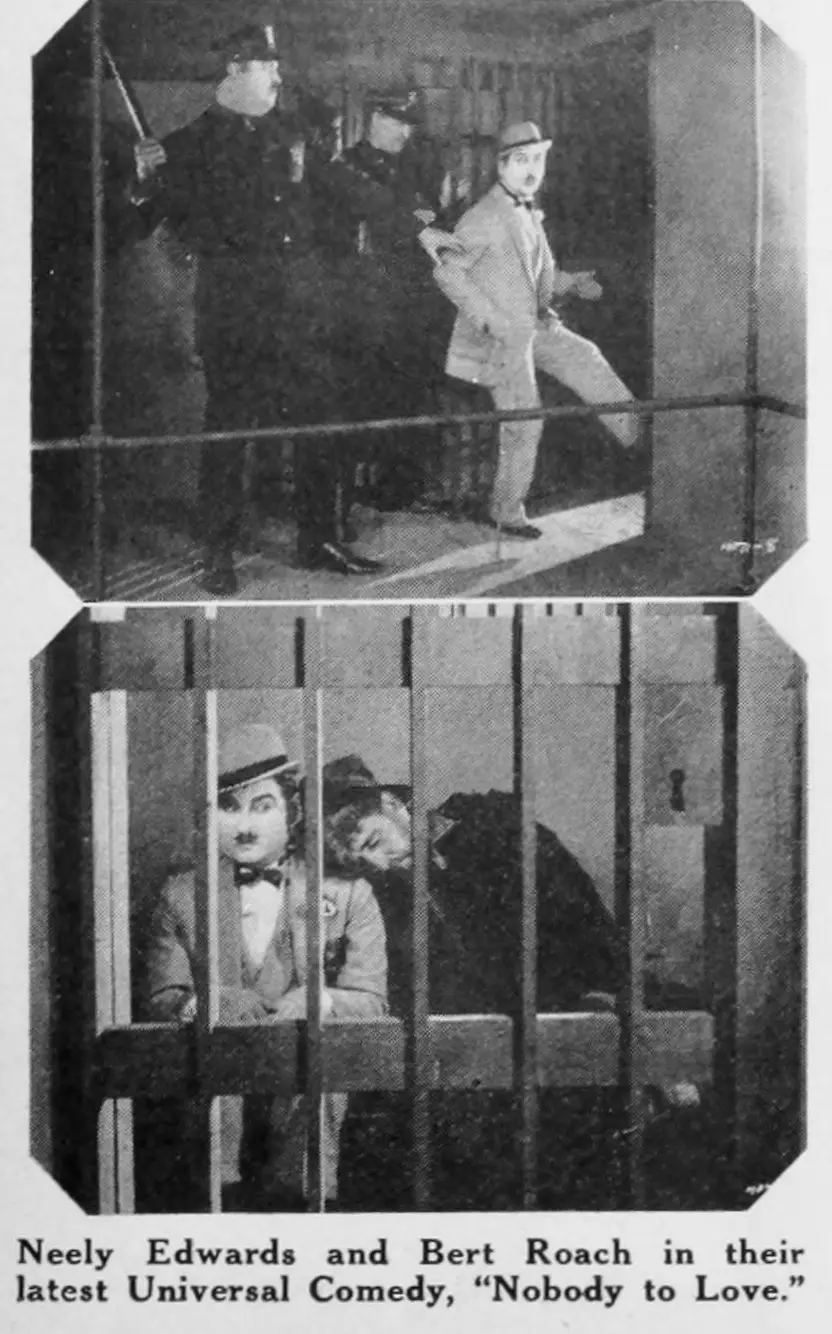
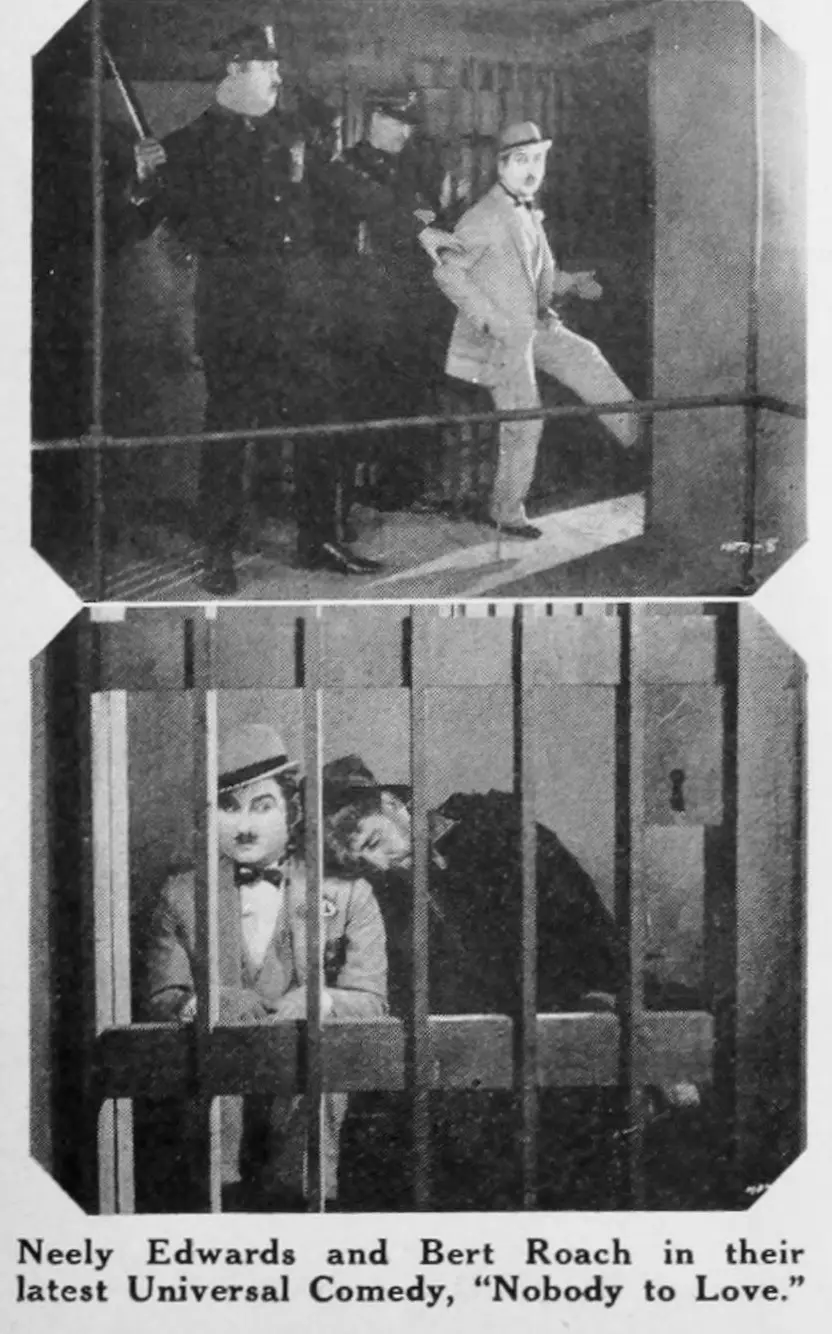
Ned and Brown are former box-car buddies. Brown persuades Ned of the advisability of marriage and suggests that he flirt with the first good-looker he sees. Ned does so and is pinched, his fine being paid by Brown. The latter invites Ned to his house and Mrs. Brown recognizes Ned as the masher. She screams and Ned is again arrested and fined. A third arrest follows with the same result.
Decades after its release, Nobody to Love remains a vital piece of the cinematic puzzle. Its influence can be seen in countless modern works, solidifying William Watson's status as a master of the craft in United States and beyond.