
DbcultAccessing Vault...
Director's Spotlight
Senior Film Conservator
Director's Spotlight: United States
A Deep Dive into the 1923 Vision of William Watson
The thematic gravity of Skeletons (1923) is rooted in the historical context that William Watson weaves into the Short fabric. Synthesizing the best elements of United States and international cinema, it highlights the importance of independent voices in United States.
In Skeletons, William Watson pushes the boundaries of conventional narrative. The film's unique approach to its subject matter has sparked endless debates and interpretations among cinephiles and critics alike.
To fully appreciate Skeletons, one must consider the cinematic climate of 1923. During this period, United States was undergoing significant artistic shifts, and William Watson was at the forefront of this Short movement, often challenging established norms.
| Cinematography | Deep Focus |
| Soundtrack | Synth-Heavy |
| Editing | Rhythmic |
| Art Direction | Naturalist |
Visualizing the convergence of William Watson's style and the core Short narrative.
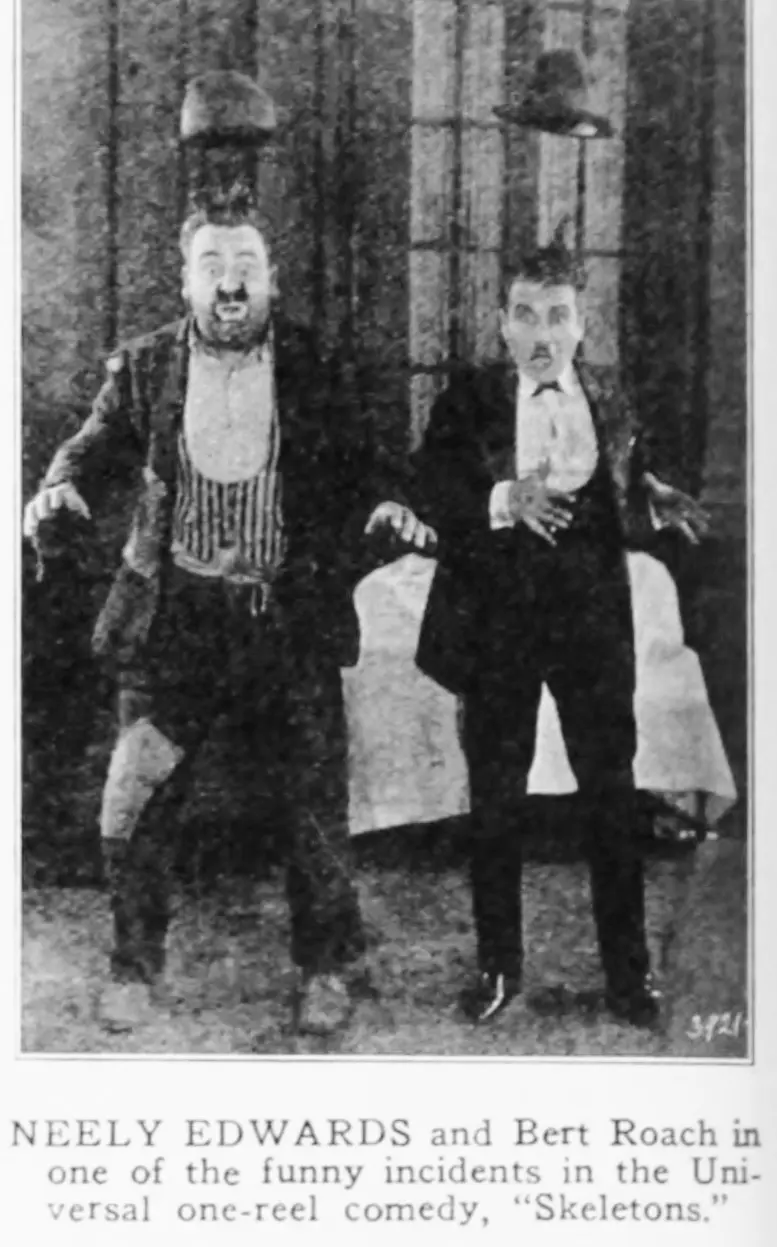
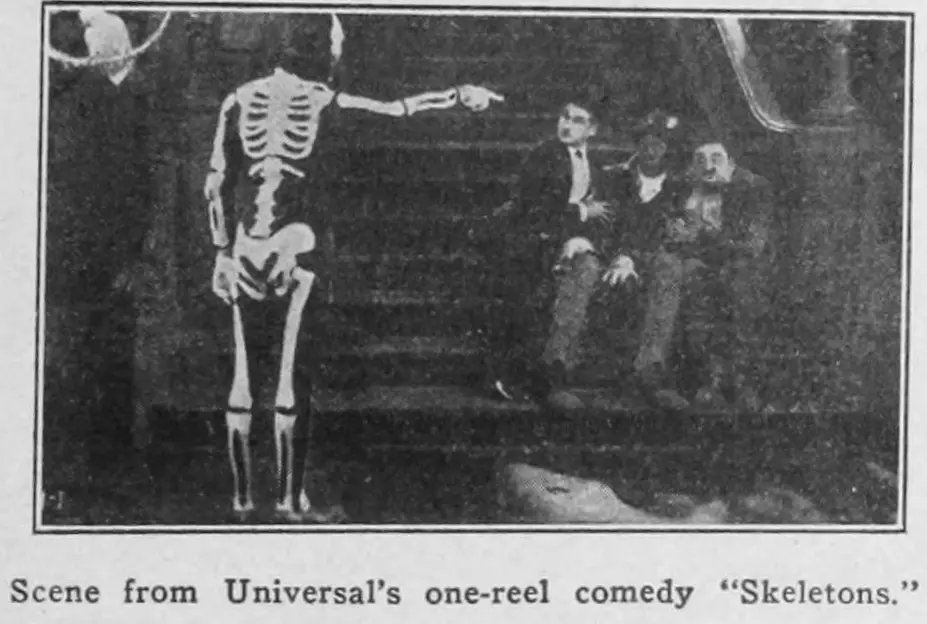
Walking along some country roads is a hazardous undertaking, a fact which Nervy Ned and his valet had brought to their attention very forcibly when a horse and carriage careened past them at the rate of about forty per. They just escaped by the skin of their teeth and, quite naturally followed the subsequent course of the vehicle as far as their eyes would permit. That, however, was far enough for the carriage drove in through the gate of a magnificent estate and stopped. The next thing the two "companions of the road" saw was a beautiful girl being carried, against her will, from the carriage. Being gentlemen they immediately went to her assistance. By tying a rope to the axle of the carriage and also the the villain's leg and giving the horse a none too gentle hint that it was time to move on they managed to get rid of the first obstacle in their path. The girl promptly fainted in Ned's arms and so with instructions to his valet to prepare the way he carried her into the house. What was there to greet them was not revealed to them until they had selected suitable clothing from a convenient wardrobe. Then they met them, while searching for water to revive the girl. Five or six skeletons. Frightened, they ran and were chased. Chased from room to room, until every room in the house had been covered. Then papa arrives with the police and the "skeletons" are captured. The girl relates the bravery of her hero to papa who offers monetary reward. Ned refuses, much to the disgust of his hungry valet, being satisfied with the beautiful smile the girl gave him. Nervy Ned says "Live in a box car and you'll have no family skeletons."
Decades after its release, Skeletons remains a vital piece of the cinematic puzzle. Its influence can be seen in countless modern works, solidifying William Watson's status as a master of the craft in United States and beyond.