
DbcultAccessing Vault...
Director's Spotlight
Senior Film Conservator
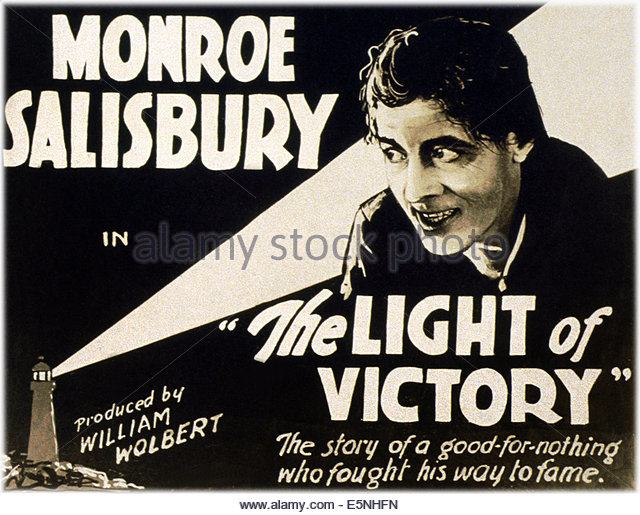
Director's Spotlight: United States
A Deep Dive into the 1919 Vision of William Wolbert
The 1919 release of The Light of Victory marked a significant moment for the enduring legacy of William Wolbert's artistic contribution to the genre. By challenging the status quo of 1919 cinema, it has cemented its place in the global cult cinema archive.
In The Light of Victory, William Wolbert pushes the boundaries of conventional narrative. The film's unique approach to its subject matter has sparked endless debates and interpretations among cinephiles and critics alike.
The visual language of The Light of Victory is defined by its use of shadows and framing, a hallmark of William Wolbert's style. By utilizing a 1919-era palette, the film creates an immersive experience that perfectly complements its cult themes.
| Cinematography | High-Contrast |
| Soundtrack | Minimalist |
| Editing | Slow-Burn |
| Art Direction | Brutalist |
Visualizing the convergence of William Wolbert's style and the core cult narrative.
U.S. Navy Lieutenant George Blenton becomes drunk at an official reception, and his fiancee, Jane Ravenslee, the captain's daughter, breaks their engagement. After war is declared, George, entrusted with a secret code book to deliver to an English admiral, drinks and loses the book which German spies recover. During a private court-martial he is offered a pistol for suicide. After drinking again, he fires a shot, but still lives. Put ashore on the island of Tafofu "to rot," George, hating the U.S., moves in with Lehua, a half-white who tries to wean him from drink. Jane, still in love, attempts to find George, but her ship is torpedoed and captured by a German submarine. After the sub arrives at Tafofu to sink George's ship, the U.S.S. Victory , Lehua unsuccessfully tries to warn them. George, who has befriended the German captain, sees the Victory 's flag, and signals danger. The Victory sinks the sub, and George, while fighting the captain, is shot. After Jane finds his body, he is honored posthumously on the victory.
Decades after its release, The Light of Victory remains a vital piece of the cinematic puzzle. Its influence can be seen in countless modern works, solidifying William Wolbert's status as a master of the craft in United States and beyond.