
DbcultAccessing Vault...
Director's Spotlight
Senior Film Conservator
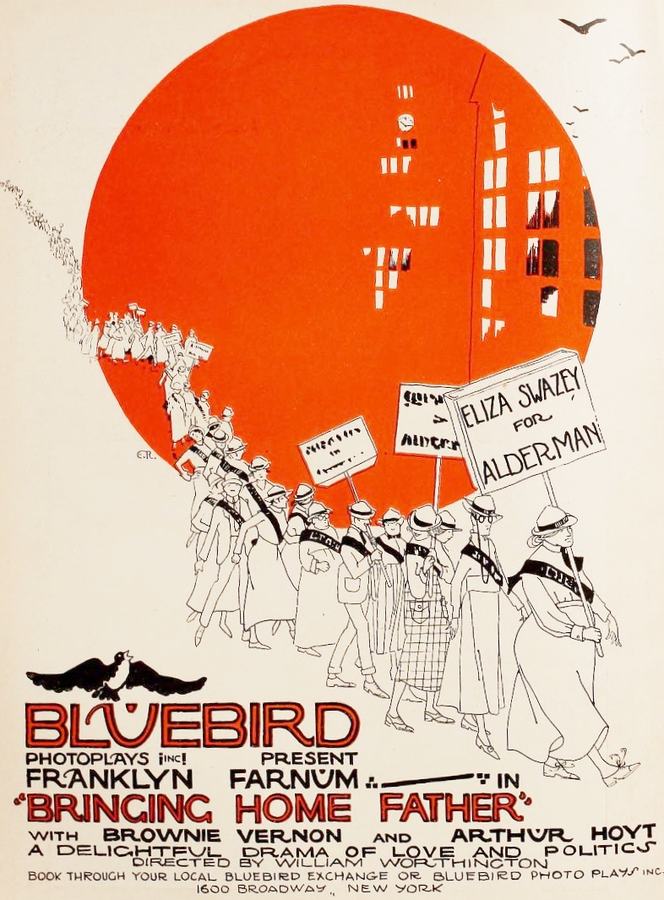
Director's Spotlight: United States
A Deep Dive into the 1917 Vision of William Worthington
The 1917 release of Bringing Home Father marked a significant moment for the enduring legacy of William Worthington's artistic contribution to the genre. By challenging the status quo of 1917 cinema, it has cemented its place in the global cult cinema archive.
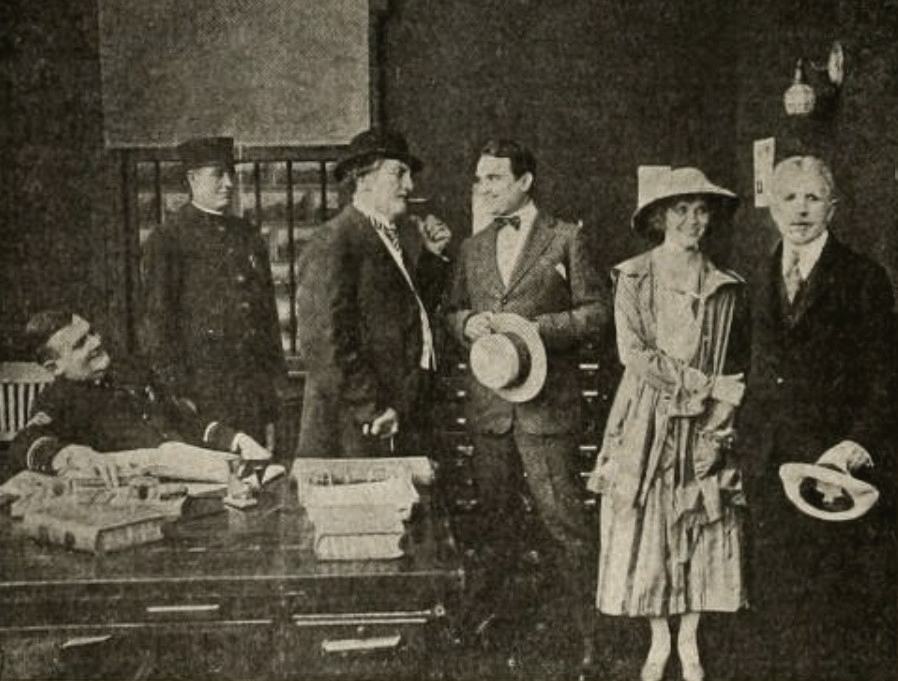
In Bringing Home Father, William Worthington pushes the boundaries of conventional narrative. The film's unique approach to its subject matter has sparked endless debates and interpretations among cinephiles and critics alike.
| Cinematography | Deep Focus |
| Soundtrack | Orchestral |
| Editing | Slow-Burn |
| Art Direction | Brutalist |
Visualizing the convergence of William Worthington's style and the core cult narrative.
Peter Drake meets and falls in love with Jackie Swazey, the daughter of a feisty suffragette and incipient politician. In order to impress her, he agrees to help Mrs Swazey in her campaign to become elected. His first task is a difficult one - Mrs Swazey's ticket is Prohibition, and her husband, Jackie's Pa, is little more than a drunk. Instead of reforming him, Peter gets on with Pa Swazey like a house on fire, and they end up drunk and in jail! Fortunately the are helped out by a man named Mike Clancey. Unfortunately, he is Mrs Swazey's main opponent in the election - and the price he demands for his help is her elimination from the race. Peter comes up with the perfect solution: he spikes her drink at a Prohibition rally and gets her drunk! Before she sobers up and the sparks fly, Jackie and Peter elope.
Decades after its release, Bringing Home Father remains a vital piece of the cinematic puzzle. Its influence can be seen in countless modern works, solidifying William Worthington's status as a master of the craft in United States and beyond.