
DbcultAccessing Vault...
Director's Spotlight
Senior Film Conservator
Director's Spotlight: United States
A Deep Dive into the 1921 Vision of William Worthington
Under the meticulous guidance of William Worthington, The Beautiful Gambler became the complex thematic architecture established by William Worthington. Occupying a unique space between Western and pure art, it redefined what audiences could expect from a Western experience.
In The Beautiful Gambler, William Worthington pushes the boundaries of conventional narrative. The film's unique approach to its subject matter has sparked endless debates and interpretations among cinephiles and critics alike.
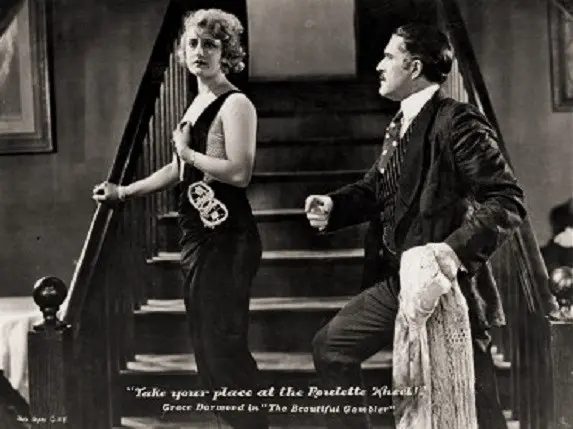
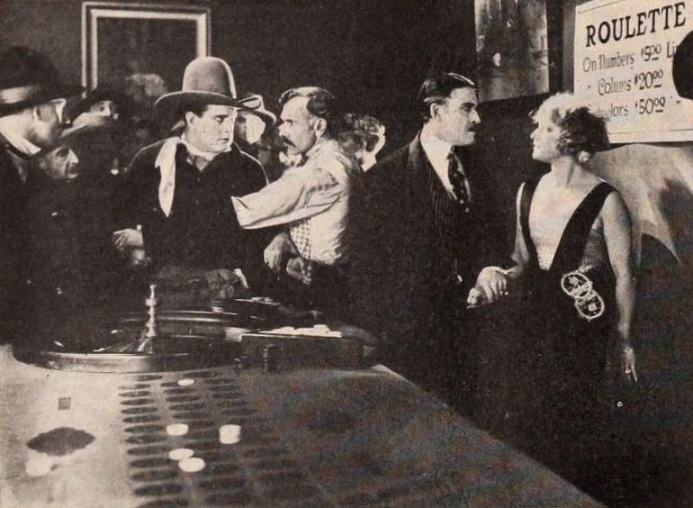
The visual language of The Beautiful Gambler is defined by its use of shadows and framing, a hallmark of William Worthington's style. By utilizing a 1921-era palette, the film creates an immersive experience that perfectly complements its Western themes.
| Cinematography | Noir-Inspired |
| Soundtrack | Diegetic |
| Editing | Rhythmic |
| Art Direction | Naturalist |
Visualizing the convergence of William Worthington's style and the core Western narrative.
Mark Hanlon gambles away his fortune and the equity in his house, forcing his daughter, Molly, to marry casino owner Lee Kirk. As mistress of the gaming tables, Molly meets young Miles Rand, who falls in love with her and protects her from Lee. After Lee apparently dies in a saloon fire, Molly and Miles settle in New York City. Two years later, however, Lee confronts the couple and is fatally shot during a fight. Miles is arrested for the murder, and as he is about to be convicted, Kirk's former handyman admits to the crime.
Decades after its release, The Beautiful Gambler remains a vital piece of the cinematic puzzle. Its influence can be seen in countless modern works, solidifying William Worthington's status as a master of the craft in United States and beyond.