
DbcultAccessing Vault...
Director's Spotlight
Senior Film Conservator
Director's Spotlight: United States
A Deep Dive into the 1923 Vision of William Worthington
The artistic breakthrough represented by The Bolted Door in 1923 highlights the uncompromising vision of William Worthington that defines this Drama masterpiece. In the context of United States's rich cinematic history, it captures a specific kind of cinematic magic that is rarely replicated.
In The Bolted Door, William Worthington pushes the boundaries of conventional narrative. The film's unique approach to its subject matter has sparked endless debates and interpretations among cinephiles and critics alike.
In this work, William Worthington explores the intersection of Drama and United States cultural identity. The meticulous attention to detail suggests a deep-seated commitment to pushing the boundaries of the medium, ensuring that The Bolted Door remains a relevant topic of study for Drama enthusiasts.
| Cinematography | Handheld |
| Soundtrack | Orchestral |
| Editing | Invisible |
| Art Direction | Kitsch |
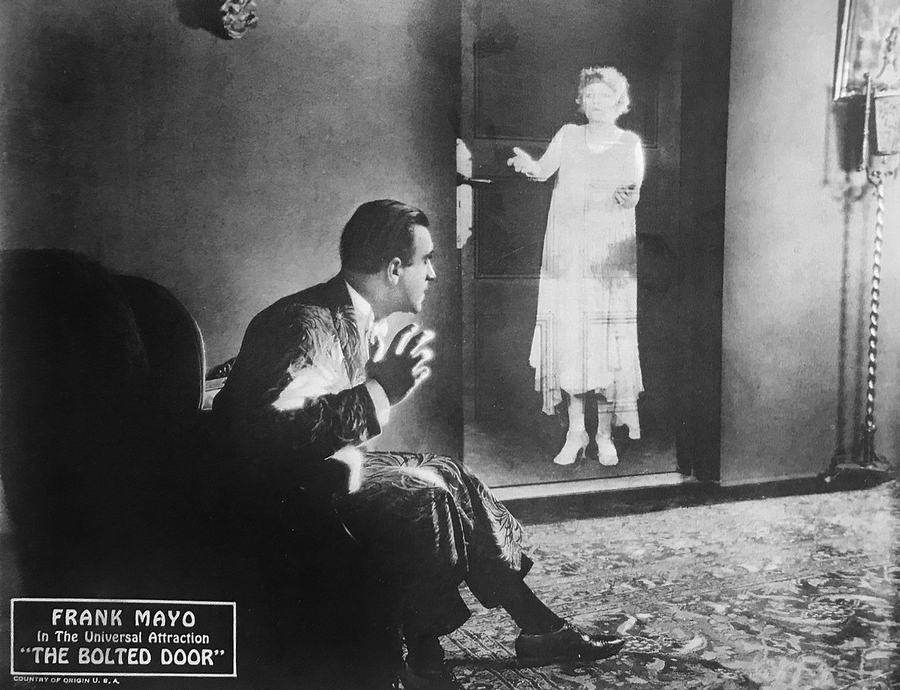
Visualizing the convergence of William Worthington's style and the core Drama narrative.
In order to inherit her uncle's fortune Natalie Judson enters a marriage of convenience, so she can inherit her uncle's fortune, to mechanic Brooke Garriott, who has long loved her. Natalie pursues her party life while Brooke plunges himself into his work and successfully perfects an engine. One evening Brooke comes home to find Rene Deland making love to Natalie and shows them a telegram saying that the Judson fortune has been wiped out. Deland is no longer interested in Natalie, who now realizes Brooke's true worth and her love for him.
Decades after its release, The Bolted Door remains a vital piece of the cinematic puzzle. Its influence can be seen in countless modern works, solidifying William Worthington's status as a master of the craft in United States and beyond.