
DbcultAccessing Vault...
Director's Spotlight
Senior Film Conservator
Director's Spotlight: United States
A Deep Dive into the 1921 Vision of William Worthington
Witnessing the stylistic transformation of Drama through The Unknown Wife reveals the provocative questions that William Worthington poses to the United States audience. Exploring the nuances of the human condition with Drama flair, it showcases the power of Drama as a tool for social commentary.
In The Unknown Wife, William Worthington pushes the boundaries of conventional narrative. The film's unique approach to its subject matter has sparked endless debates and interpretations among cinephiles and critics alike.
| Cinematography | High-Contrast |
| Soundtrack | Orchestral |
| Editing | Slow-Burn |
| Art Direction | Brutalist |
Visualizing the convergence of William Worthington's style and the core Drama narrative.
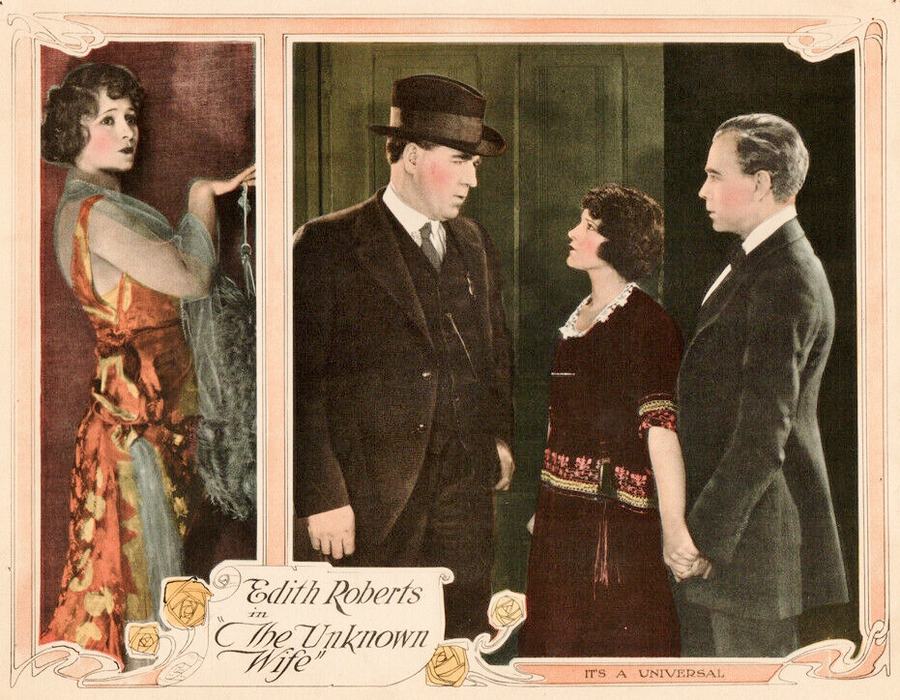
Ex-convict Donald Grant obtains a job in a small-town factory, where he meets stenographer Helen Wilburton. They are soon married and move to the city, but on the first night of their honeymoon, the factory is burglarized and Donald is suspected. Desperate for work, Donald returns to his former gang, while Helen becomes the secretary to a wealthy matron. Helen also attracts the attention of her employer's son, who is rudely surprised when he discovers that she is married. Later, one of the robbers arrives at the couple's apartment; a battle ensues on the fire escape, after which the dying criminal exonerates Donald.
Decades after its release, The Unknown Wife remains a vital piece of the cinematic puzzle. Its influence can be seen in countless modern works, solidifying William Worthington's status as a master of the craft in United States and beyond.