
DbcultAccessing Vault...
Director's Spotlight
Senior Film Conservator
Director's Spotlight: United States
A Deep Dive into the 1914 Vision of Wray Bartlett Physioc
Few works in United States cinema carry the same weight as Hearts of Oak, especially regarding the cultural zeitgeist captured so perfectly by Wray Bartlett Physioc in 1914. Utilizing a 1914-specific aesthetic that remains timeless, it serves as a blueprint for future generations of cult directors.
In Hearts of Oak, Wray Bartlett Physioc pushes the boundaries of conventional narrative. The film's unique approach to its subject matter has sparked endless debates and interpretations among cinephiles and critics alike.
In this work, Wray Bartlett Physioc explores the intersection of cult and United States cultural identity. The meticulous attention to detail suggests a deep-seated commitment to pushing the boundaries of the medium, ensuring that Hearts of Oak remains a relevant topic of study for cult enthusiasts.
| Cinematography | Deep Focus |
| Soundtrack | Synth-Heavy |
| Editing | Rhythmic |
| Art Direction | Naturalist |
Visualizing the convergence of Wray Bartlett Physioc's style and the core cult narrative.
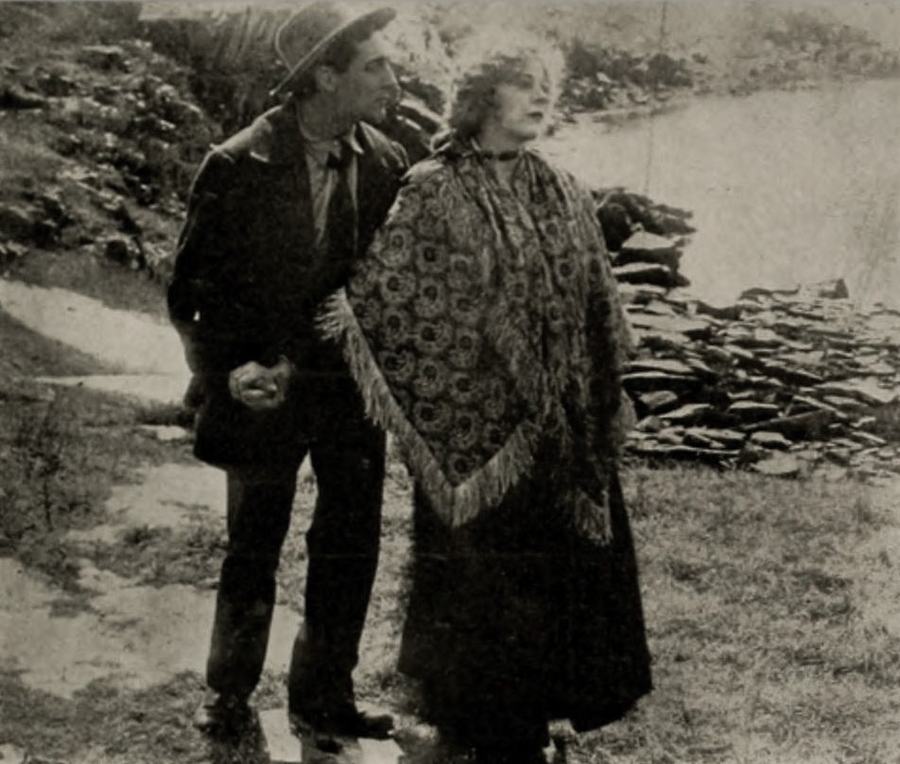
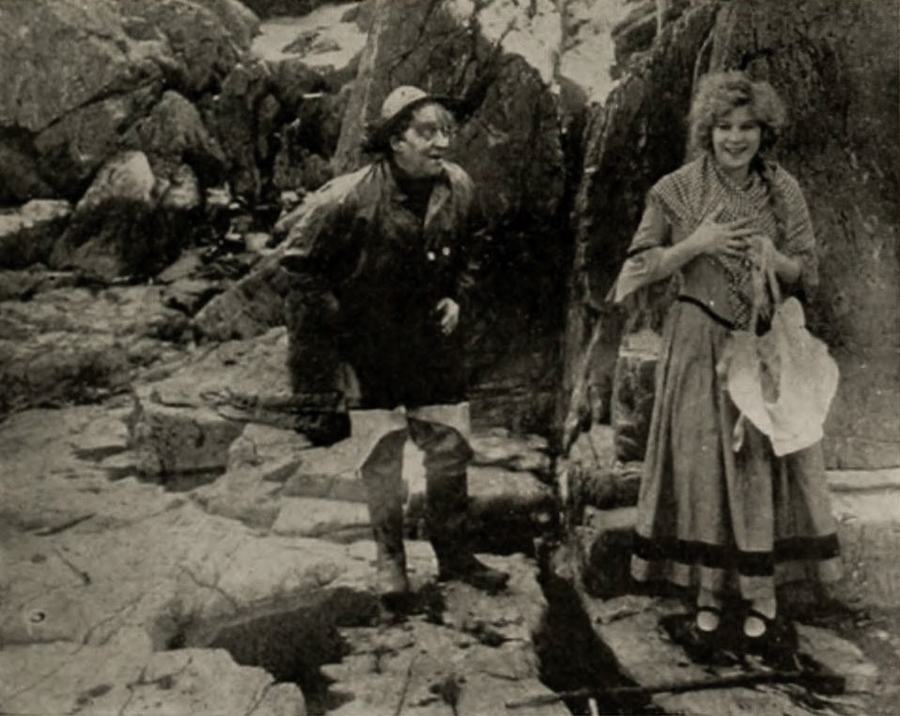
Maine fisherman "Old Luke," in the last stages of smallpox, sends his little daughter Crystal to the grist mill owned by Terry Dennison for aid. Two of the millers shrink from the child, but Terry hastens to the bedside of Luke, who has died in the meantime. Terry takes the child to the cabin of Owen, another old fisherman, and keeps her there until it is certain that she has not been infected with the disease. Then he takes care of her in his own home and later adopts an orphan boy, Ned Fairweather, as a companion for little Crystal. Ned and Crystal become inseparable companions and when they grow up they fall in love with each other and become engaged. While Ned is away on a trip to Boston, Crystal is standing on the rocks, looking at a photograph of Ned. Owen mistakes it for a photograph of Terry, and convinces Terry that Crystal is really in love with him. When Terry is finally persuaded to make a proposal of marriage, Crystal is dumbfounded, as her love for him is that of a devoted daughter, but she manages to conceal her surprise, and, out of sheer gratitude and a mistaken sense of duty, she throws her arms around him, and consents to be his wife. Ned returns from Boston. Crystal talks over with him the great debt of gratitude they owe Terry, and they both agree to sacrifice their love on the altar of duty. Two years elapse. Terry and Crystal are married and have a little daughter, Crystal. Ned, who left home shortly after their marriage, has not returned. Owen, who has been shyly courting Aunt Becky, is a guest at dinner in the Dennison household and insists, as always, that an extra place be set at the table in the event of Ned's unexpected return. When Ned actually bursts in upon them he receives a warm welcome. His return has been prompted by his uncontrollable love for Crystal and, after dinner, while strolling along the beach, he urges her to go away with him. Crystal's answer is to point to her wedding ring. Terry, standing on the rocks above the beach, has heard all. Overwhelmed by the knowledge that Ned and Crystal have sacrificed their own happiness in his behalf, he decides to go away forever. He makes a confidant of Owen, but pretends to others that business complications make it necessary for him to leave his home town. Before leaving, however, he exacts an oath from Ned that in case he should not return or not be heard from after an elapse of five years, he (Ned) will make Crystal his wife. Five years elapse. A vessel is wrecked and blows up on a reef. A sailor, who is washed upon the beach in an exhausted condition, is nursed back to life by an old beachcomber. The sailor proves to be Terry, who is now totally blind. Ned and Crystal, with Terry's little daughter, enter a churchyard. The child picks flowers to place on the monument that has been erected to the memory of Terry Dennison. Crystal and Ned, accompanied by their friends, enter the church. It is the day of their wedding. Terry enters the churchyard, feeling his way with a cane, and sinks exhausted by the side of his own monument. Little Crystal approaches and chats in a friendly manner with the old sailor. He tells her that he is blind, and asks her to spell out the name on the monument for him. When he realizes from what she says that he has been talking to his own child, he is greatly overcome with emotion. While the child tries to comfort him, the wedding party emerges from the church. Crystal does not recognize Terry, but Owen is not deceived, and, promising to look after the old sailor, tells Crystal he will be at her house later on. By this time Owen and Aunt Becky have been married, and in order not to sadden Ned and Crystal's wedding day, Owen takes Terry to his own home, where he puts him to bed. But he soon has to break the sad news to them as Terry is nearing his end. Thereupon Crystal, Ned and Terry's little daughter hasten to Owen's cabin, where they are seen weeping around the bedside of poor old Terry, who smiles with happiness at the fulfillment of his most cherished wish.
Decades after its release, Hearts of Oak remains a vital piece of the cinematic puzzle. Its influence can be seen in countless modern works, solidifying Wray Bartlett Physioc's status as a master of the craft in United States and beyond.