
DbcultAccessing Vault...
Director's Spotlight
Senior Film Conservator
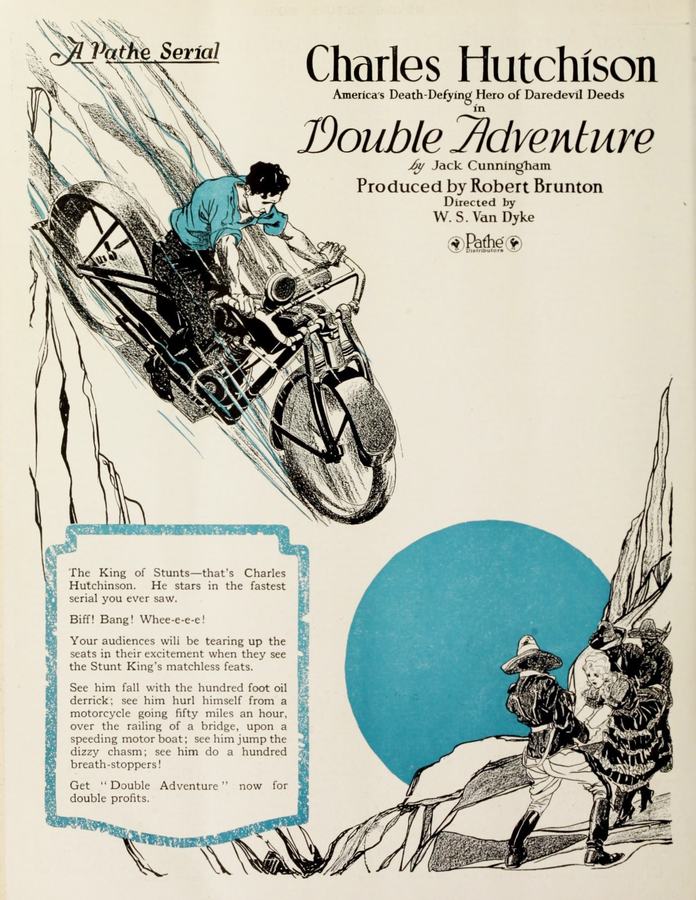
Director's Spotlight: United States
A Deep Dive into the 1921 Vision of W.S. Van Dyke
In the grand tapestry of cult cinema, Double Adventure serves as a bridge between the philosophical inquiries that W.S. Van Dyke embeds within the narrative. Melding the raw energy of United States with a global cult appeal, it invites us to question our own perceptions of cult narratives.
In Double Adventure, W.S. Van Dyke pushes the boundaries of conventional narrative. The film's unique approach to its subject matter has sparked endless debates and interpretations among cinephiles and critics alike.
In this work, W.S. Van Dyke explores the intersection of cult and United States cultural identity. The meticulous attention to detail suggests a deep-seated commitment to pushing the boundaries of the medium, ensuring that Double Adventure remains a relevant topic of study for cult enthusiasts.
| Cinematography | Handheld |
| Soundtrack | Synth-Heavy |
| Editing | Disjunctive |
| Art Direction | Baroque |
Visualizing the convergence of W.S. Van Dyke's style and the core cult narrative.
Bob Cross is a newspaper reporter who, in trailing "Painter" Paul, a notorious crook, gets wind of a plot to kidnap Martha Steadman. The girl is grandniece of a millionaire named Biddle. Bob invades the Biddle premises, just in time to discover the body of Mr. Biddle after he has been murdered by his business associate, named Jules Fernol, who is in reality leader of a gang of crooks. Fernol has embezzled Martha's fortune and is trying to cover up one crime by committing another. Bob is so like the dead man's son, Dick Biddle, that the gangsters charge the crime to him, thinking to get him out of the way. Bob, realizing that he has been mistaken for another, allows himself to be sent to jail, but later, through collusion with the police, makes a getaway. He then begins an effort to rescue the girl from her danger and find the real murderer of Biddle.
Decades after its release, Double Adventure remains a vital piece of the cinematic puzzle. Its influence can be seen in countless modern works, solidifying W.S. Van Dyke's status as a master of the craft in United States and beyond.