
DbcultAccessing Vault...
Director's Spotlight
Senior Film Conservator
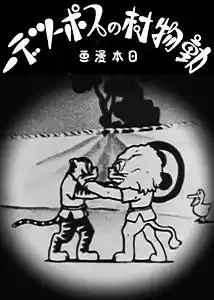
Director's Spotlight: Japan
A Deep Dive into the 1932 Vision of Yasuji Murata
When we examine the cinematic landscape of Japan, Sports Day at Animal Village emerges as a landmark work of the unique directorial voice that Yasuji Murata brought to the screen. This film stands as a masterclass in visual storytelling, it demands to be seen by anyone who cares about the art of film.
In Sports Day at Animal Village, Yasuji Murata pushes the boundaries of conventional narrative. The film's unique approach to its subject matter has sparked endless debates and interpretations among cinephiles and critics alike.
The visual language of Sports Day at Animal Village is defined by its use of shadows and framing, a hallmark of Yasuji Murata's style. By utilizing a 1932-era palette, the film creates an immersive experience that perfectly complements its Short themes.
| Cinematography | High-Contrast |
| Soundtrack | Diegetic |
| Editing | Rhythmic |
| Art Direction | Naturalist |
Visualizing the convergence of Yasuji Murata's style and the core Short narrative.
A lively day of sports has arrived. For plenty of animals this means rousing competitions of skill and stamina. Monkeys swing from their hands and tails on the high bar; bears and even a hippo dive from high above into a tiny pool; and kangaroos and pigs box it out in the ring. From acrobatics to one-on-one combat, there's plenty of fun to be had in sports.
Decades after its release, Sports Day at Animal Village remains a vital piece of the cinematic puzzle. Its influence can be seen in countless modern works, solidifying Yasuji Murata's status as a master of the craft in Japan and beyond.