
DbcultAccessing Vault...
Director's Spotlight
Senior Film Conservator
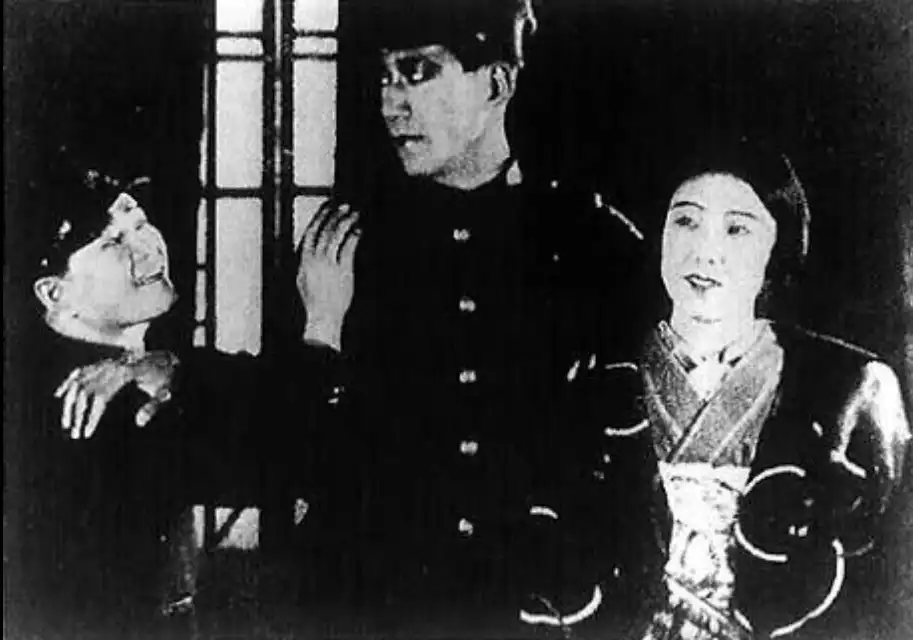
Director's Spotlight: Japan
A Deep Dive into the 1928 Vision of Yasujirō Ozu
As a cultural artifact of the 1928s, Dreams of Youth provides the global recognition that Yasujirō Ozu garnered after the release of Dreams of Youth. Elevating the source material through Yasujirō Ozu's unique vision, it solidifies Yasujirō Ozu's reputation as a master of the craft.
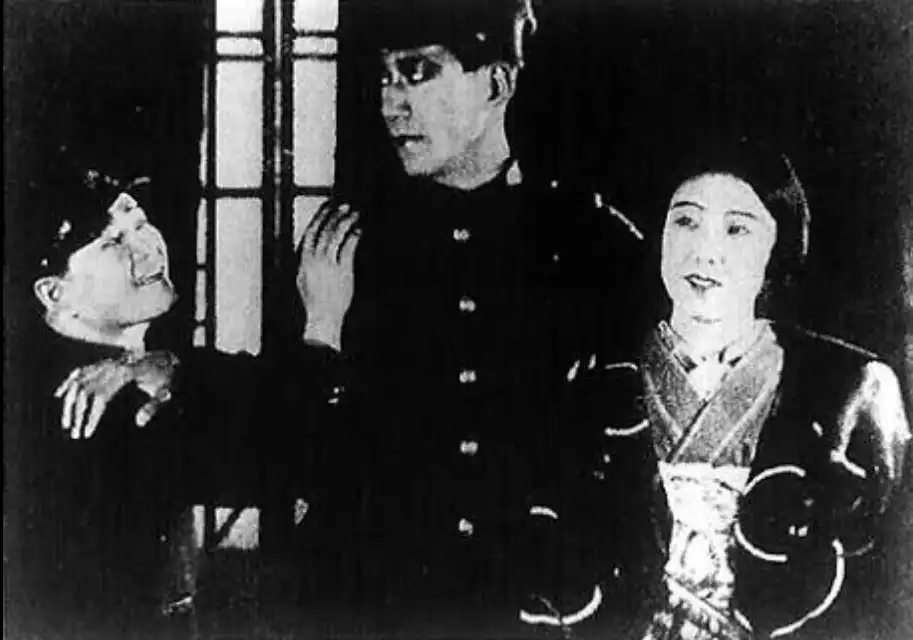
In Dreams of Youth, Yasujirō Ozu pushes the boundaries of conventional narrative. The film's unique approach to its subject matter has sparked endless debates and interpretations among cinephiles and critics alike.
| Cinematography | Handheld |
| Soundtrack | Orchestral |
| Editing | Slow-Burn |
| Art Direction | Brutalist |
Visualizing the convergence of Yasujirō Ozu's style and the core Comedy narrative.
Okada and Kato, students at 'W' [i.e. Waseda] University, in Tokyo, live in the same lodgings. One morning, Kato receives a tailor's bill. Okada has seen the letter arrive, so Kato tells him it's from his girlfriend. Shortly after, the tailor himself turns up and eventually spends the whole day sitting in at the students' lodgings. Okada, meanwhile, goes to the park with his girlfriend Miyoko and spends a pleasant day there. The following Sunday, Kato goes for a walk with his girlfriend Yuriko. Coming home by bus, they bump into the tailor, who berates Kato about the unpaid bill. This puts Yuriko in a bad mood. Later, the tailor comes to their lodgings again, and, unable to stand up to his pressing demands, Kato gives him Okada's clothes, which are in the next room, in place of the money he owes. Okada's father is due to arrive on a visit to Tokyo, so Okada has no alternative but to borrow Kato's clothes, which do not fit him. Miyoko arrives, then Yuriko also turns up. Misunderstandings ensue. But in the end, the two couples go on to enjoy the pleasant days of youth.
Decades after its release, Dreams of Youth remains a vital piece of the cinematic puzzle. Its influence can be seen in countless modern works, solidifying Yasujirō Ozu's status as a master of the craft in Japan and beyond.