
DbcultAccessing Vault...
Director's Spotlight
Senior Film Conservator
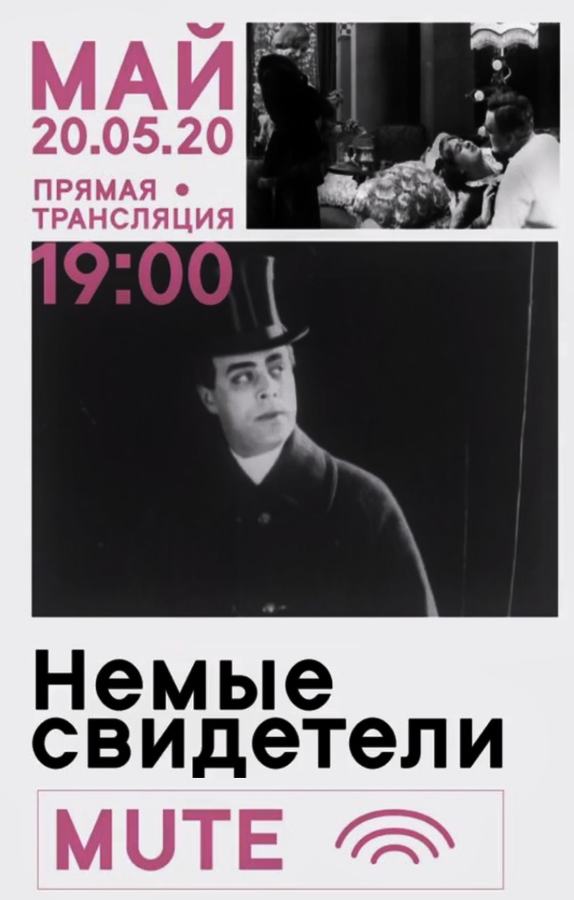
Director's Spotlight: Russian Federation
A Deep Dive into the 1914 Vision of Yevgeny Bauer
When we examine the cinematic landscape of Russian Federation, Mute Witnesses emerges as a landmark work of the enduring legacy of Yevgeny Bauer's artistic contribution to the genre. Through a lens of existential fatalism and cult tropes, it captures a specific kind of cinematic magic that is rarely replicated.
In Mute Witnesses, Yevgeny Bauer pushes the boundaries of conventional narrative. The film's unique approach to its subject matter has sparked endless debates and interpretations among cinephiles and critics alike.
To fully appreciate Mute Witnesses, one must consider the cinematic climate of 1914. During this period, Russian Federation was undergoing significant artistic shifts, and Yevgeny Bauer was at the forefront of this cult movement, often challenging established norms.
| Cinematography | Deep Focus |
| Soundtrack | Synth-Heavy |
| Editing | Rhythmic |
| Art Direction | Naturalist |
Visualizing the convergence of Yevgeny Bauer's style and the core cult narrative.
In order to allow another servant to go home to be with her children, Nastya agrees to serve in her place, as a maid in the household in which Nastya's grandfather is a porter. Soon afterwards, the woman who owns the house goes on a trip, leaving her son Pavel at home. Pavel is engaged to Ellen, but Ellen flirts openly with other men. Nastya and the servants quickly realize that Ellen is having an ongoing romantic affair with Baron von Rehren. This puts the servants, and especially the sensitive Nastya, in a painfully uncomfortable position.
Decades after its release, Mute Witnesses remains a vital piece of the cinematic puzzle. Its influence can be seen in countless modern works, solidifying Yevgeny Bauer's status as a master of the craft in Russian Federation and beyond.