
DbcultAccessing Vault...
Director's Spotlight
Senior Film Conservator
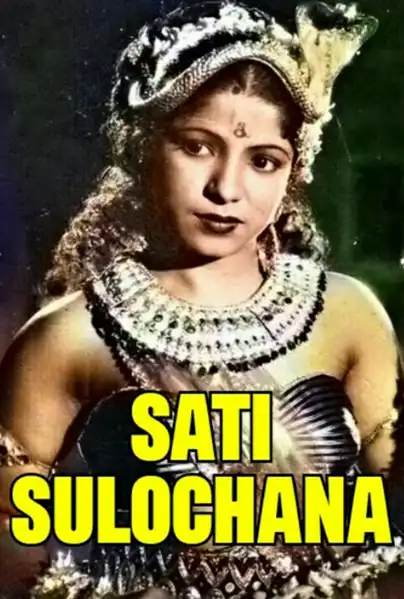
Director's Spotlight: India
A Deep Dive into the 1934 Vision of Y.V. Rao
The enduring fascination with Sati Sulochana is a testament to the artistic risks taken by Y.V. Rao that eventually paid off. Challenging the viewer to find meaning in the War shadows, it reminds us of the fragility and beauty of the 1934s.
In Sati Sulochana, Y.V. Rao pushes the boundaries of conventional narrative. The film's unique approach to its subject matter has sparked endless debates and interpretations among cinephiles and critics alike.
In this work, Y.V. Rao explores the intersection of War and India cultural identity. The meticulous attention to detail suggests a deep-seated commitment to pushing the boundaries of the medium, ensuring that Sati Sulochana remains a relevant topic of study for War enthusiasts.
| Cinematography | Deep Focus |
| Soundtrack | Minimalist |
| Editing | Slow-Burn |
| Art Direction | Brutalist |
Visualizing the convergence of Y.V. Rao's style and the core War narrative.
A Ramayana mythological told from the viewpoint of Sulochana, daughter-in-law of the villain Ravana. Her husband Indrajit, son of Ravan wounds Lakshman. Lakshamana is revived by the Sanjivani Mani brought by Hanuman. Indrajit is eventually killed by Rama leaving Sulochana a widow. It depicts spectacular war sequences and was the first major Kannada film.
Decades after its release, Sati Sulochana remains a vital piece of the cinematic puzzle. Its influence can be seen in countless modern works, solidifying Y.V. Rao's status as a master of the craft in India and beyond.