
DbcultAccessing Vault...
Director's Spotlight
Senior Film Conservator
Director's Spotlight: United States
A Deep Dive into the 1931 Vision of Zion Myers
As we revisit the 1931 masterpiece The Big Dog House, we are struck by the atmospheric immersion that Zion Myers achieves throughout The Big Dog House. Exploring the nuances of the human condition with Family flair, it solidifies Zion Myers's reputation as a master of the craft.
In The Big Dog House, Zion Myers pushes the boundaries of conventional narrative. The film's unique approach to its subject matter has sparked endless debates and interpretations among cinephiles and critics alike.
To fully appreciate The Big Dog House, one must consider the cinematic climate of 1931. During this period, United States was undergoing significant artistic shifts, and Zion Myers was at the forefront of this Family movement, often challenging established norms.
| Cinematography | High-Contrast |
| Soundtrack | Diegetic |
| Editing | Elliptical |
| Art Direction | Expressionist |
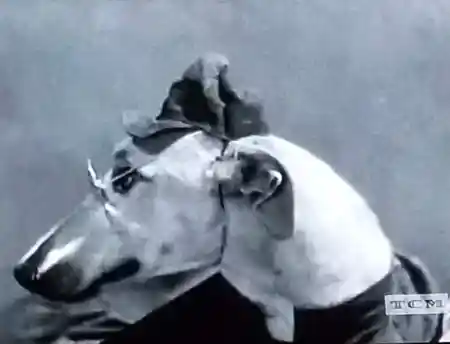
Visualizing the convergence of Zion Myers's style and the core Family narrative.
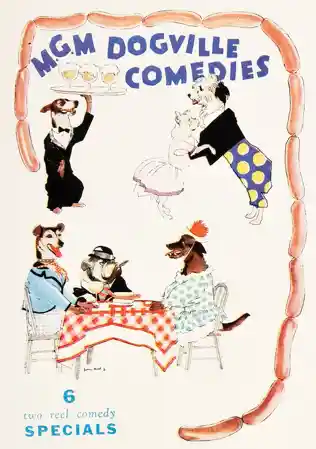
This MGM short, which stars an all-dog cast, is about Trixie and Fido and their evil boss. They all work at the Dogville Department Store, but the boss has his eye on Trixie and so frames Fido for murder. Trixie is convinced that her man (er, dog rather) is innocent and works feverishly to save him from the electric chair.
Decades after its release, The Big Dog House remains a vital piece of the cinematic puzzle. Its influence can be seen in countless modern works, solidifying Zion Myers's status as a master of the craft in United States and beyond.