Jack Conway
actor, director, producer
- Birth name:
- Hugh Ryan Conway
- Born:
- 1887-07-17, Graceville, Minnesota, USA
- Died:
- 1952-10-11, Pacific Palisades, California, USA
- Professions:
- actor, director, producer
Biography
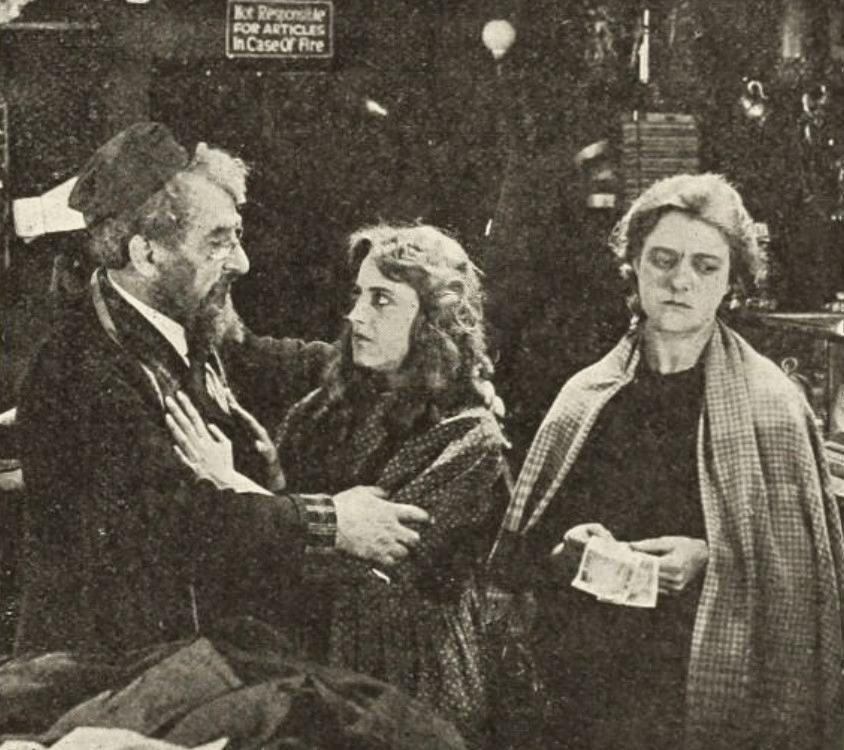
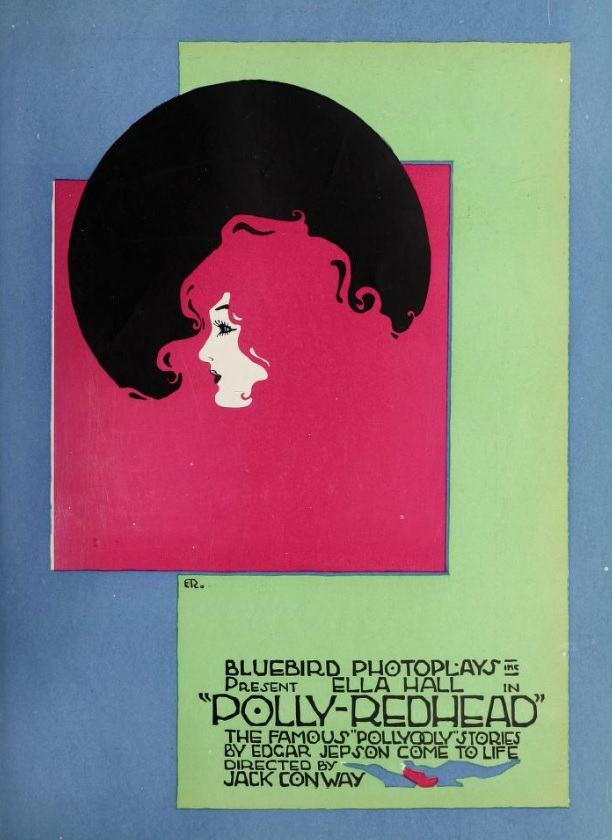
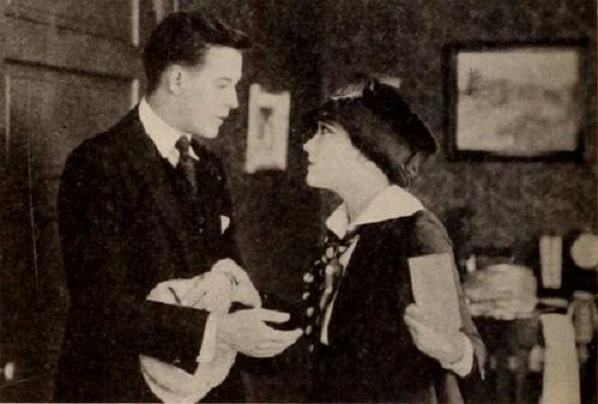
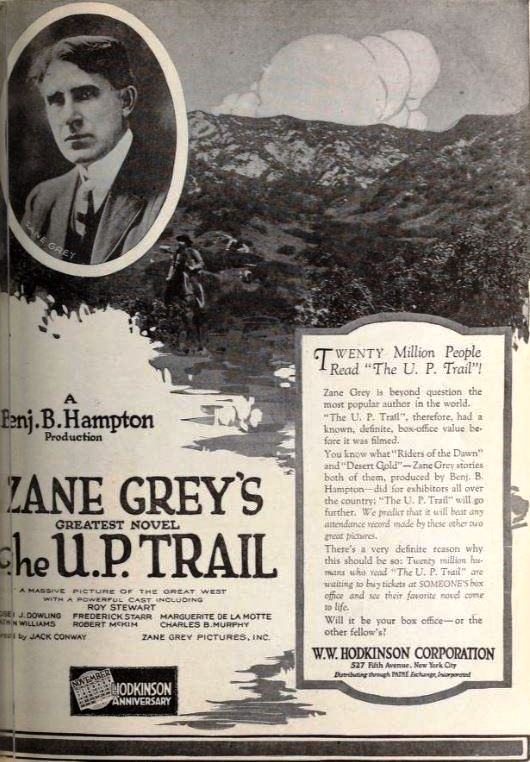
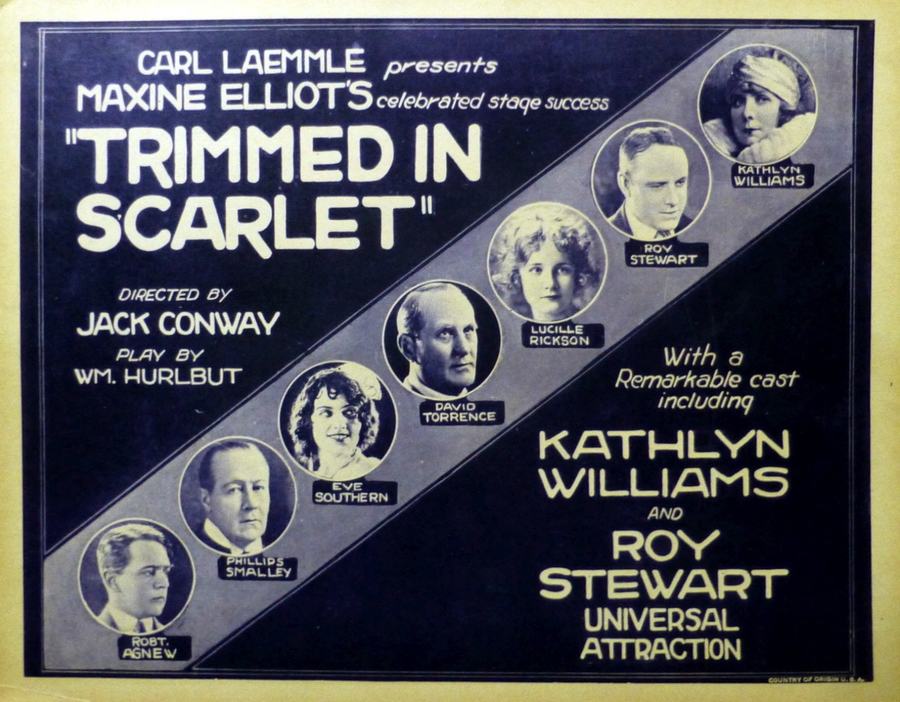
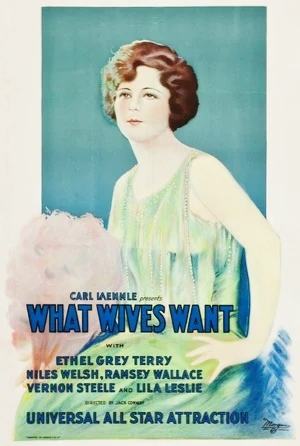
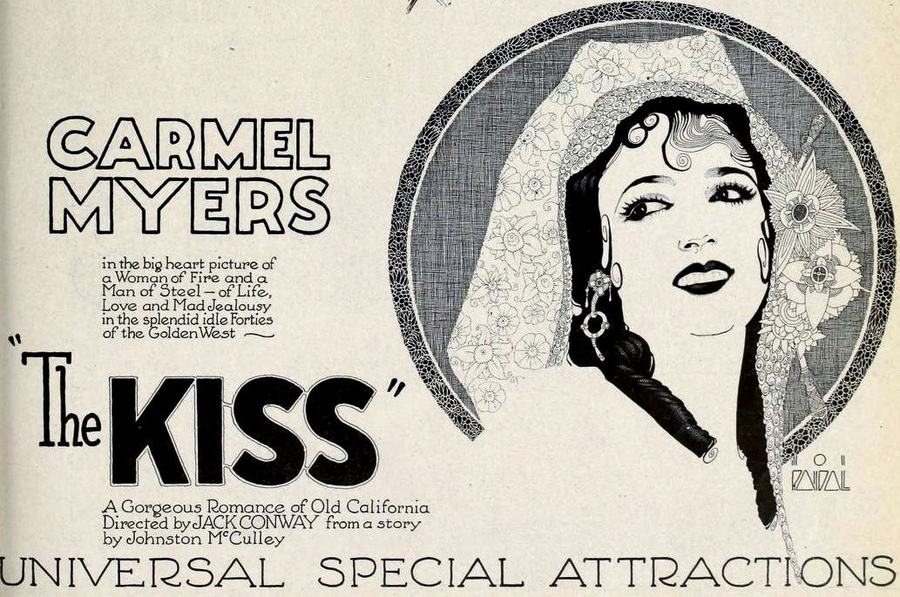
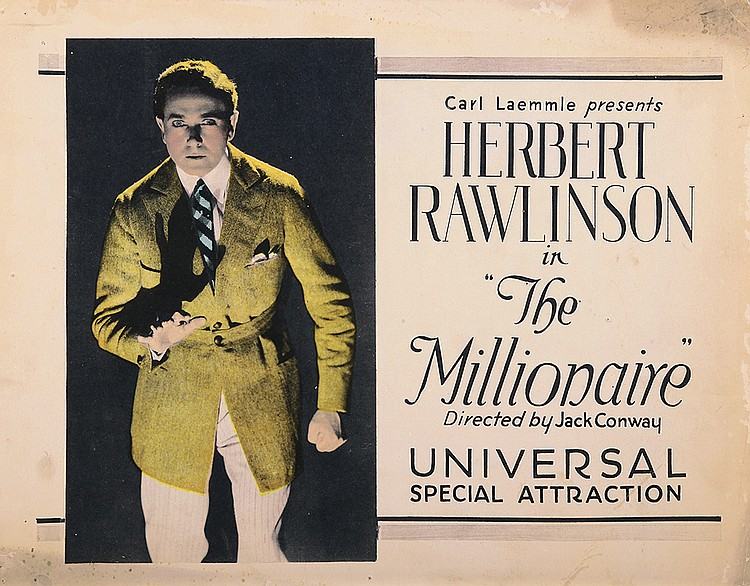
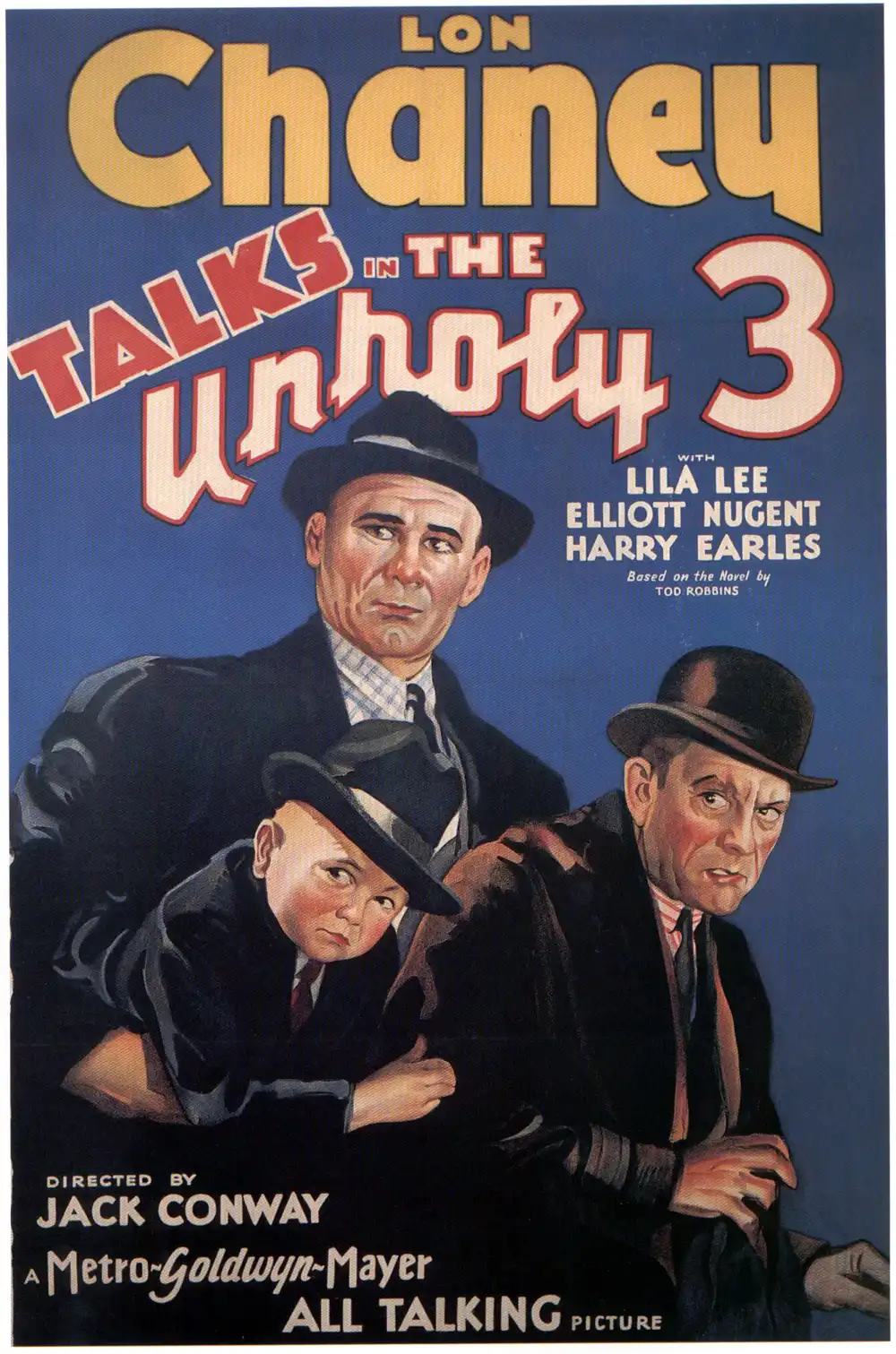
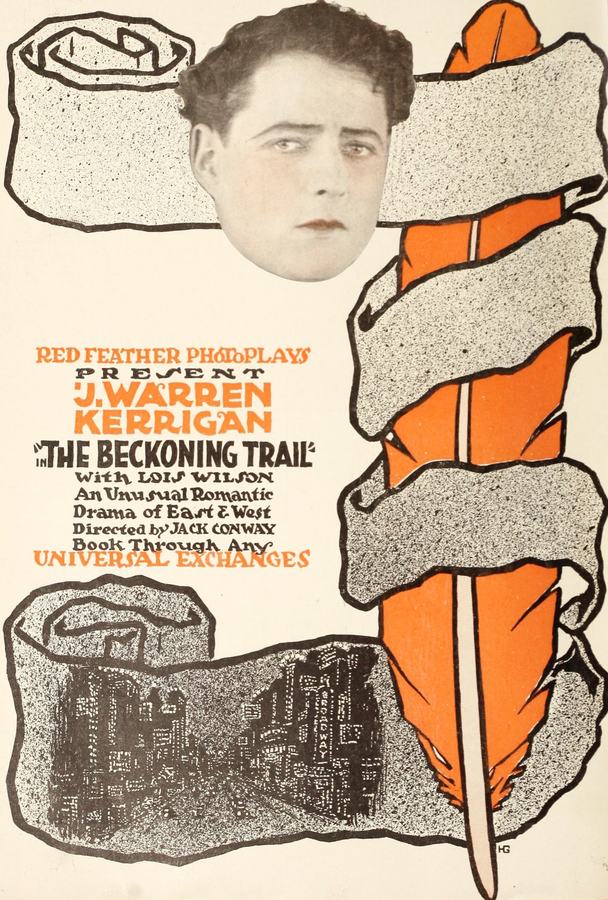
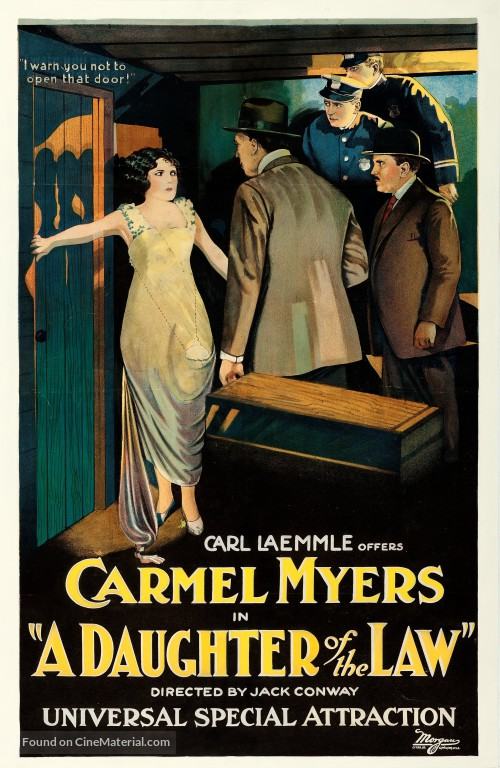
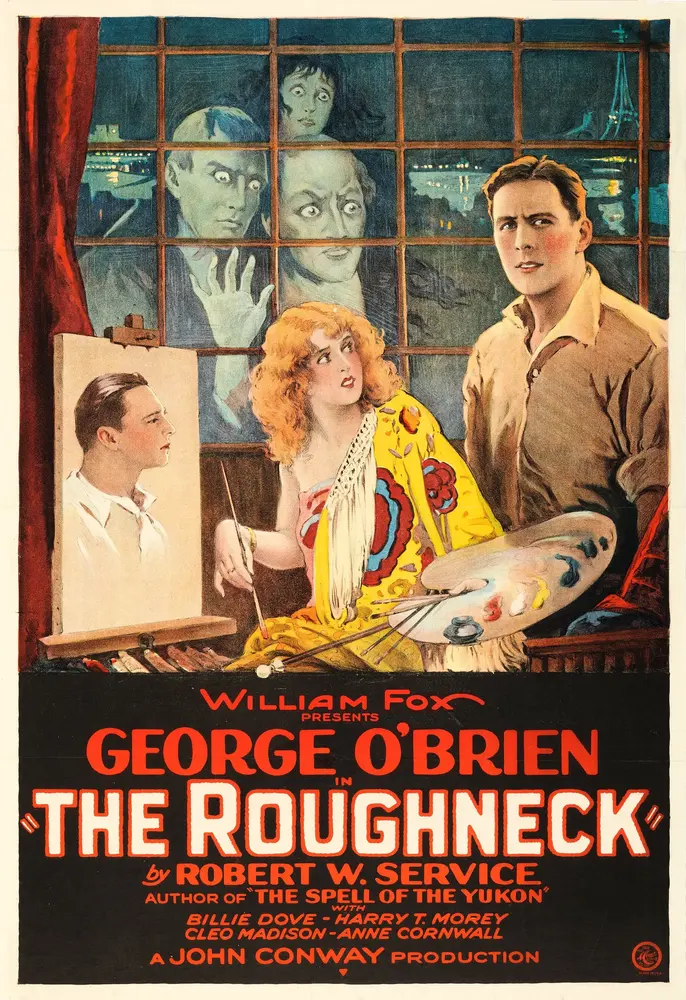
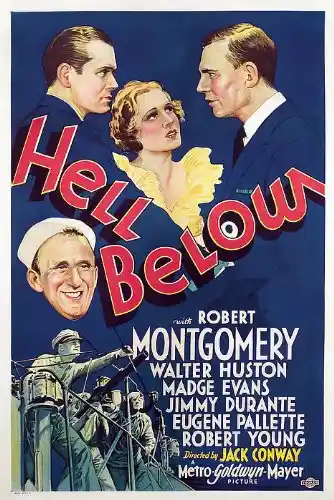
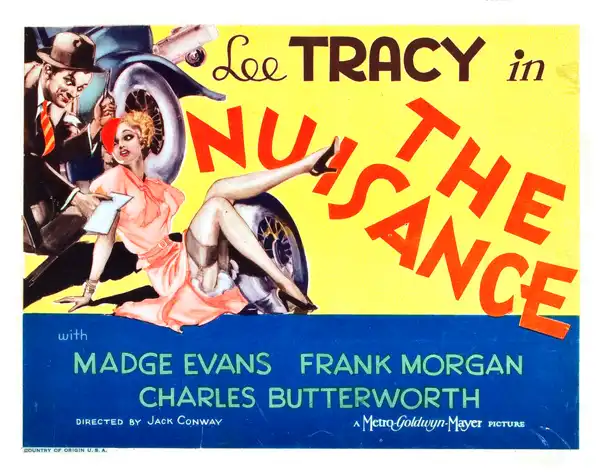
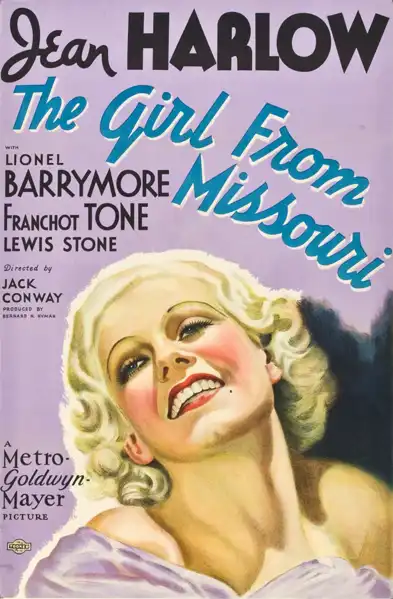
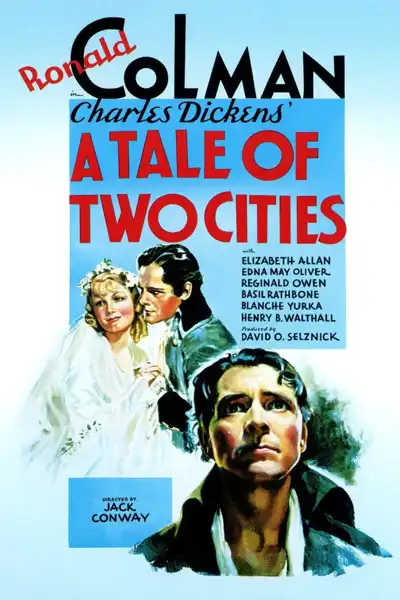
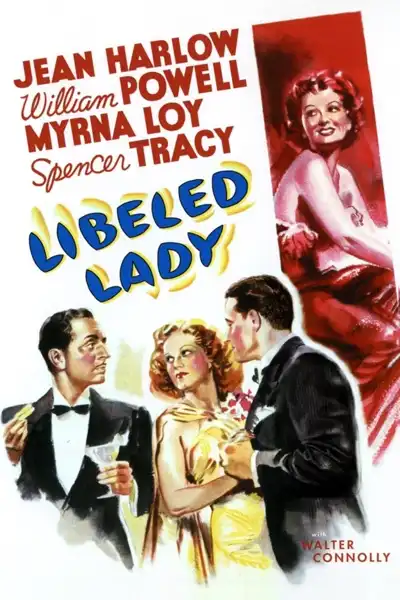
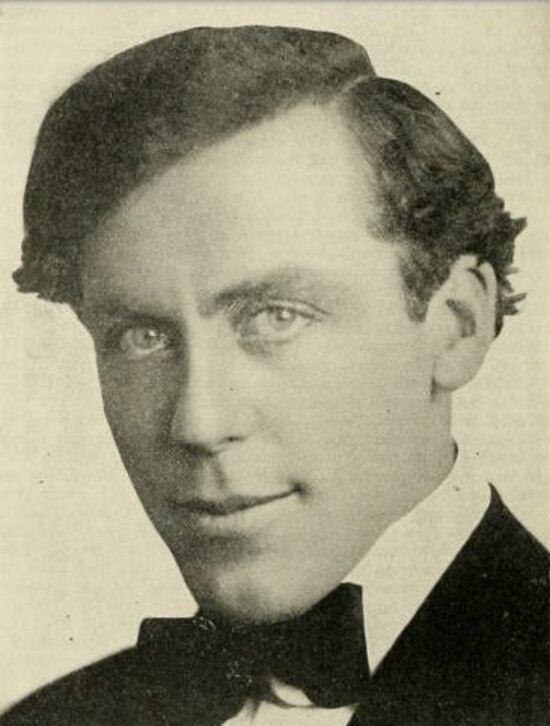
Hugh Ryan Conway—later clipped to “Jack”—arrived in 1887, son of an Irish-American family that never imagined their boy would one day marshal 17,000 Parisian rebels for MGM. Leaving high school for the road, he learned theatre by nightly stepping into whatever role a repertory troupe needed, then drifted in front of a camera in 1909. By 1911 he was one of D. W. Griffith’s regular faces, squinting at desert horizons in westerns until, restless, he swapped the spotlight for a megaphone in 1913. Universal lured him first: two stints (1916-17 and 1921-23) where he learned to shoot fast, cut faster, and keep stories coherent. In 1925 Louis B. Mayer beckoned him to the new lion-roaring lot on Washington Boulevard. There Irving Thalberg’s blueprint reigned: directors were cogs, not auteurs, their job to protect schedule and bankroll from the sort of runaway genius that had once let Erich von Stroheim spend sacks of gold on epics that never recouped. Conway fit the mold—no flourishes, no tantrums, just steady, audience-pleasing machines that hit their dates and budgets. He piloted MGM’s first talkie, Alias Jimmy Valentine (1928), proving sound wouldn’t break the studio’s assembly line. Over the next two decades he became Clark Gable’s go-to traffic cop, steering the star through oil-field gushers (Boom Town, 1940), card-sharp charm (Honky Tonk, 1941), and Madison-Avenue cynicism (The Hucksters, 1947). Between those hits he marshaled his miniature city of extras for Dickens, turning A Tale of Two Cities (1935) into the yardstick every later adaptation still tries to measure up to. Libeled Lady (1936) followed—screwball so nimble the New York Times saluted his “agile direction” while Jean Harlow, Spencer Tracy, Myrna Loy, and Gable traded barbs at break-neck speed. Conway retired his director’s chair in 1948, leaving behind a résumé light on auteur theory but heavy on re-watchable pleasures. For his trouble, Vine Street cemented his name among the stars—an ironic tribute for a man who had happily hidden inside the studio machinery.
Filmography
Directed (71)