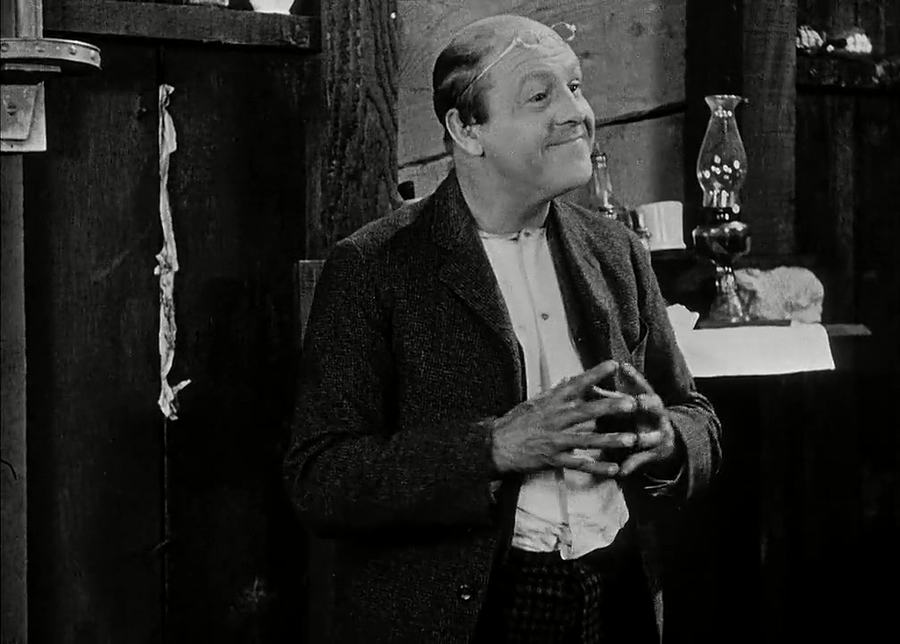
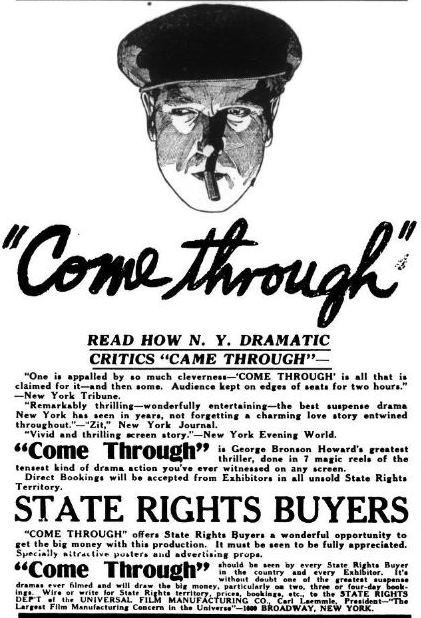
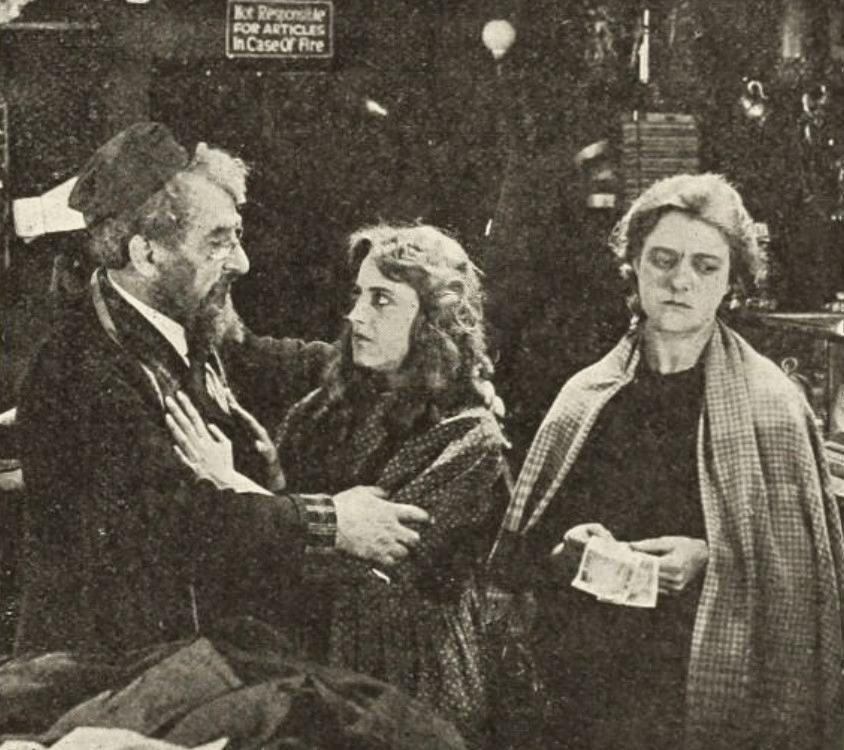
Court, a crook, is forced to marry Velma by her enraged fiancé, who mistakes him for her clandestine suitor. Velma tries to reform Court but is hindered by the machinations of Boss McGinnis until alderman Honest John Lysaght lends a hand.
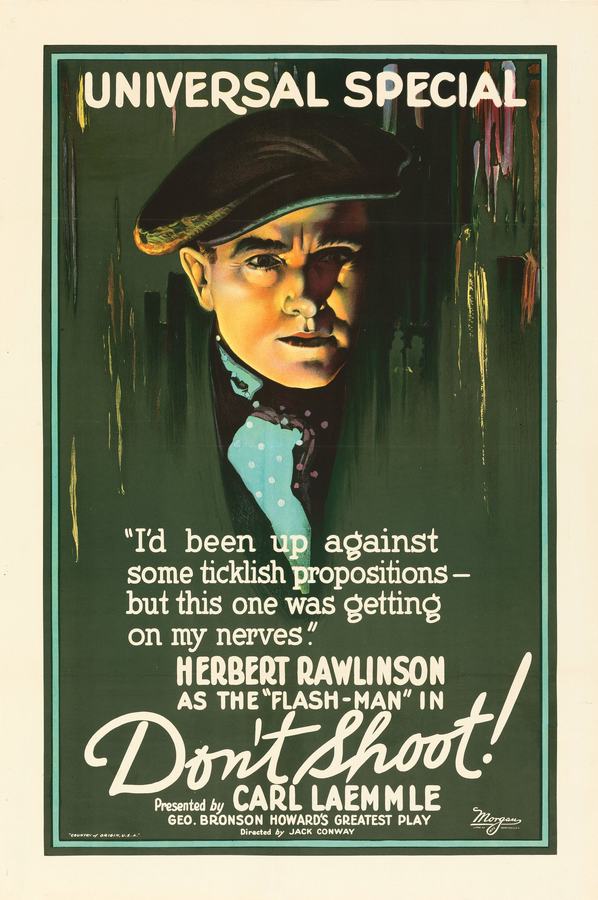
The first time I saw Don't Shoot, I swore the celluloid itself smelled of corn whiskey and cordite. George Bronson Howard’s scenario, stitched together by George Hively’s intertitles, lands like a blackjack to the back of the neck: a case of mistaken ardor that shotgun-marries a pickpocket to a prim socialite. But t...
Comparing the cinematic DNA and archive impact of two defining moments in cult history.
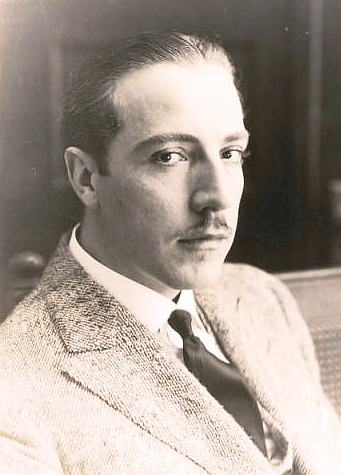
Jack Conway
Jack Conway
Community
Log in to comment.
" The first time I saw Don't Shoot, I swore the celluloid itself smelled of corn whiskey and cordite. George Bronson Howard’s scenario, stitched together by George Hively’s intertitles, lands like a blackjack to the back of the neck: a case of mistaken ardor that shotgun-marries a pickpocket to a prim socialite. But the film’s true bloodstream is its chiaroscuro—shadows thick enough to chew, silhouettes that pirouette across tenement walls like marionettes cut from night. Released in the same y..."
George Bronson Howard, George Hively
United States