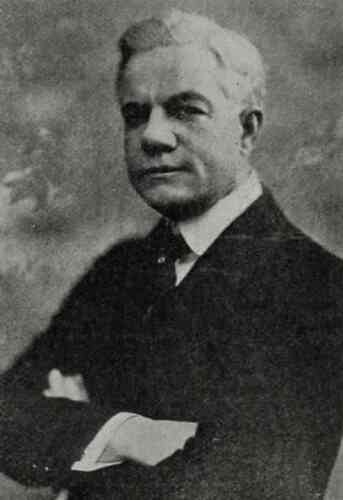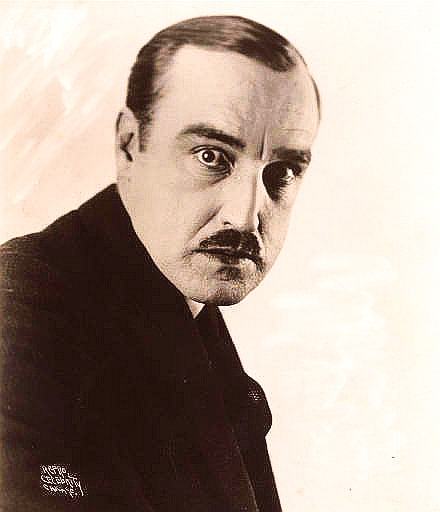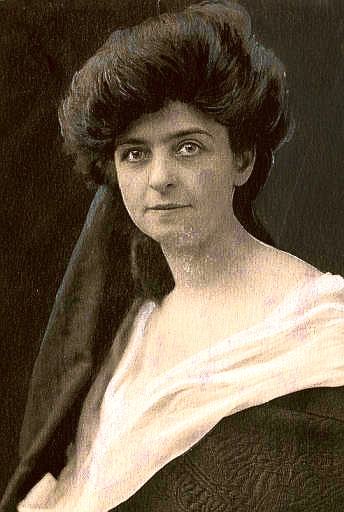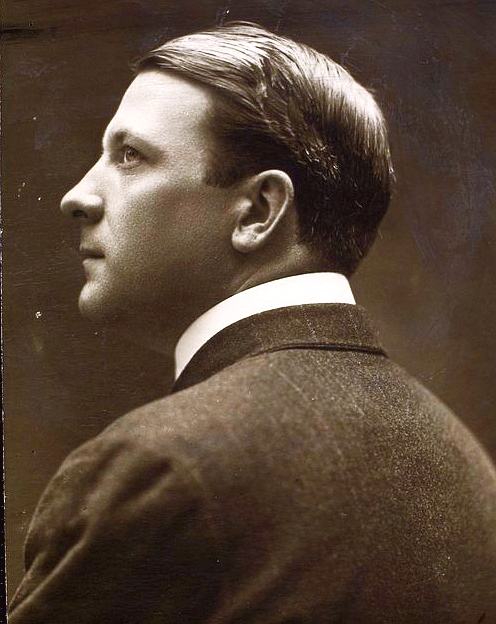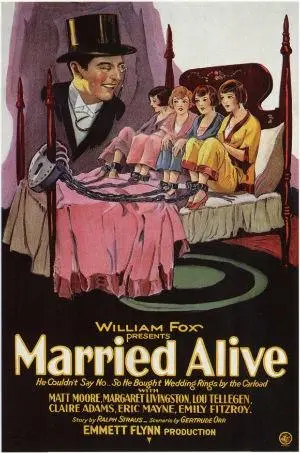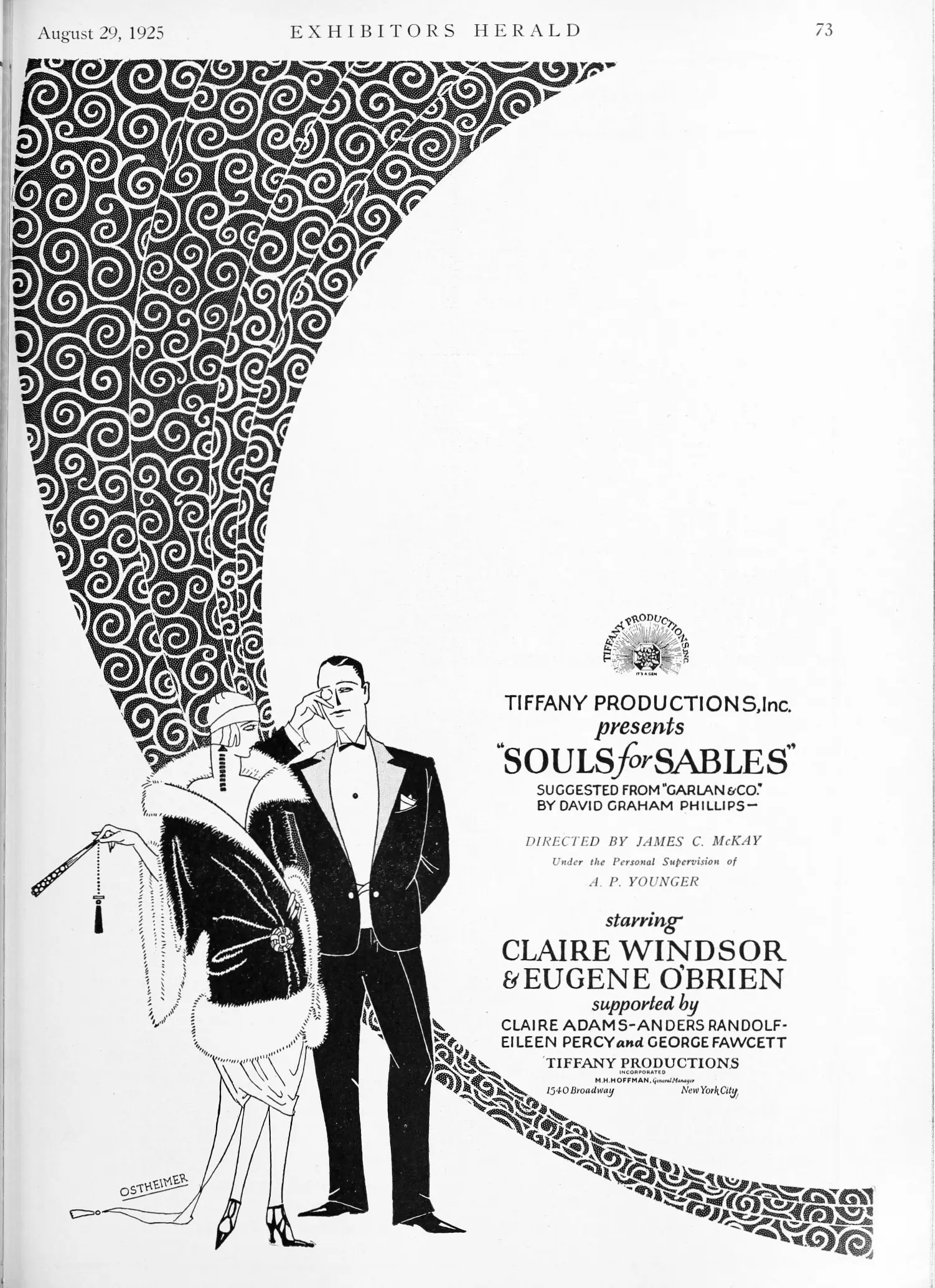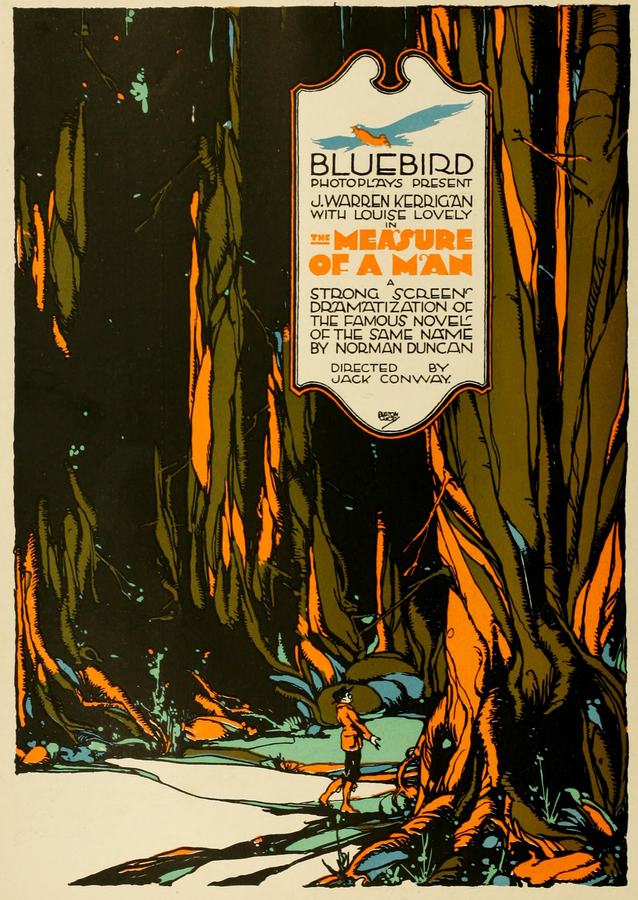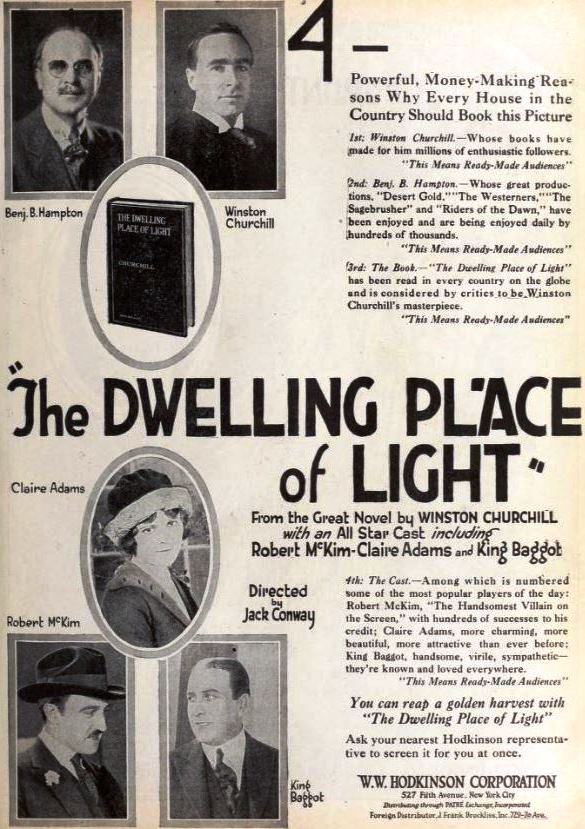
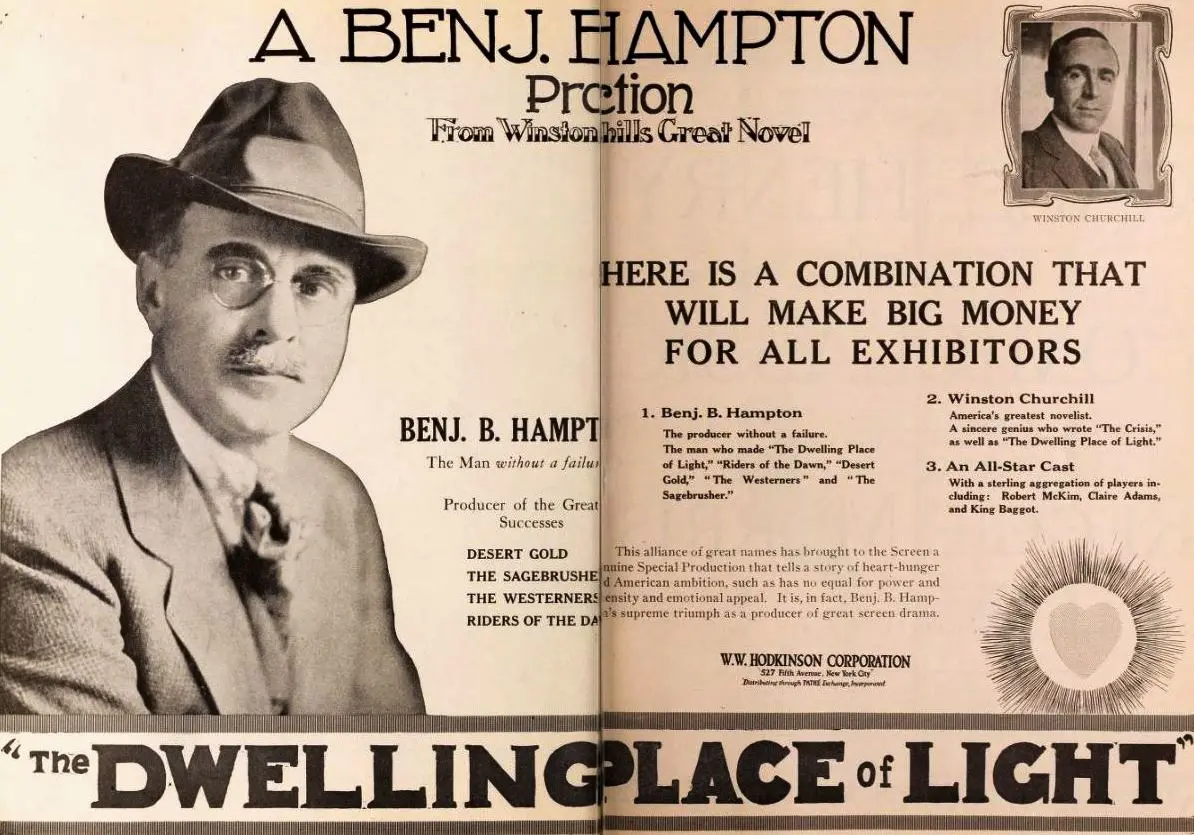
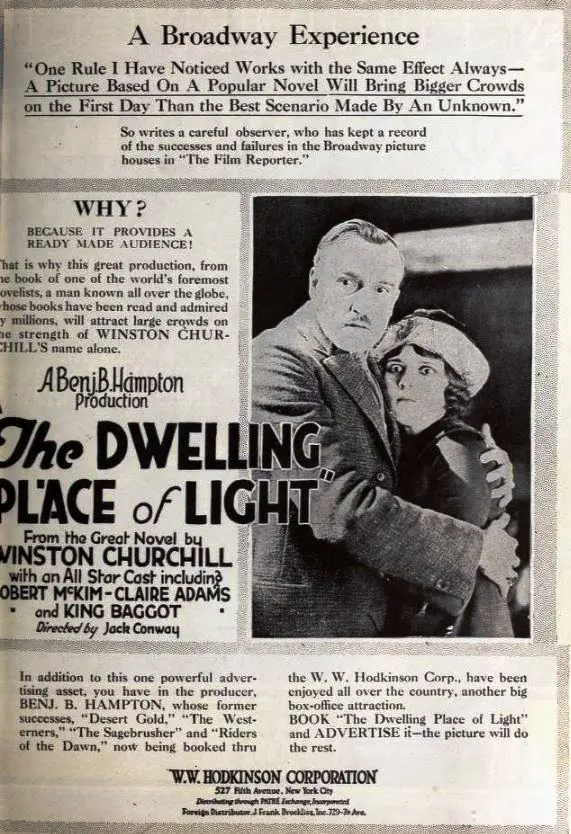
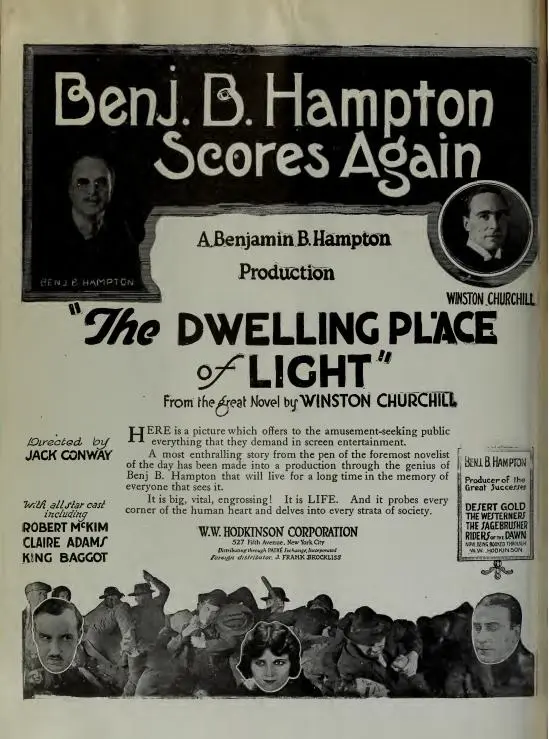
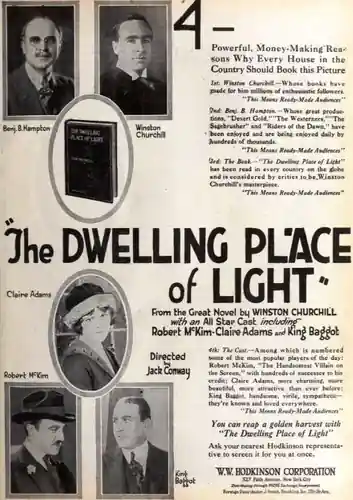
When stenographer Janet Butler's malevolent employer, Claude Ditmar, starts to sexually harass her after carrying on an affair with her younger sister Elsie, Janet decides to quit her job and join forces with the disgruntled mill workers. While attempting to avert a looming strike, Brooks Insall, one of the mill's major stockholders, meets Janet and the two fall in love.
The Mill as Moral Furnace Picture, if you can, the opening iris shot: a slow contraction that transforms a bustling Main Street into a crucible of looms, each shuttle click a metronome of exploited muscle. Director Charles Murphy—never celebrated in the same breath as Griffith or DeMille—nevertheless orchestrates a vi...
production_art
production_art
production_art
production_art
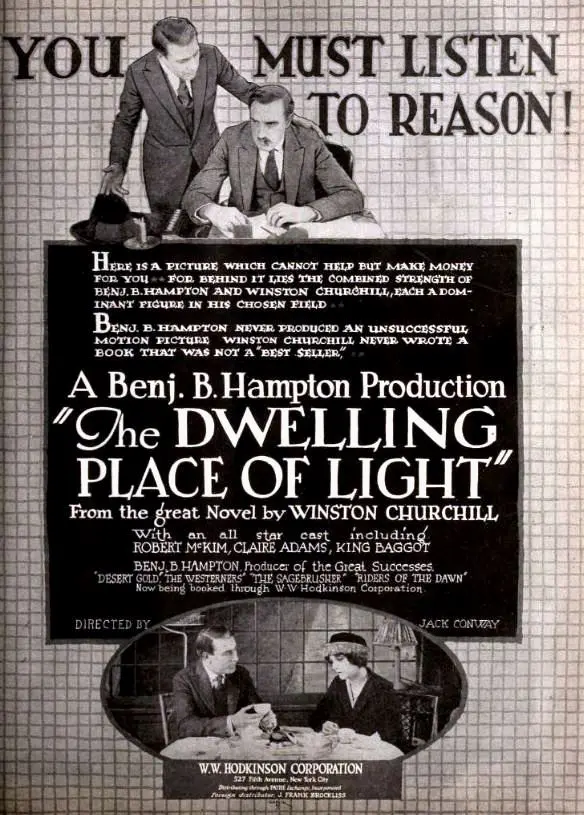
production_art
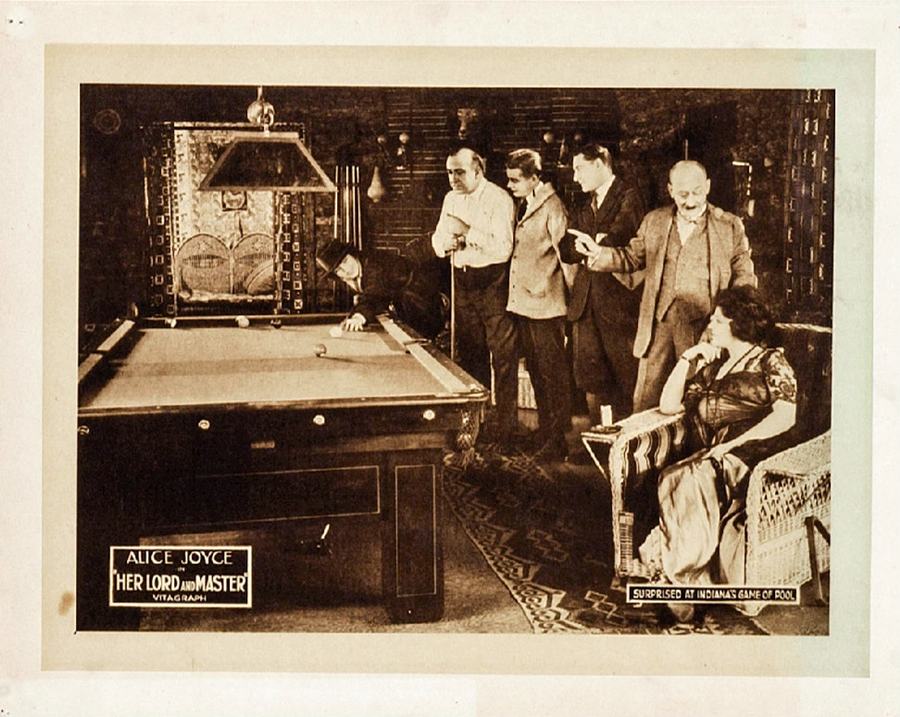
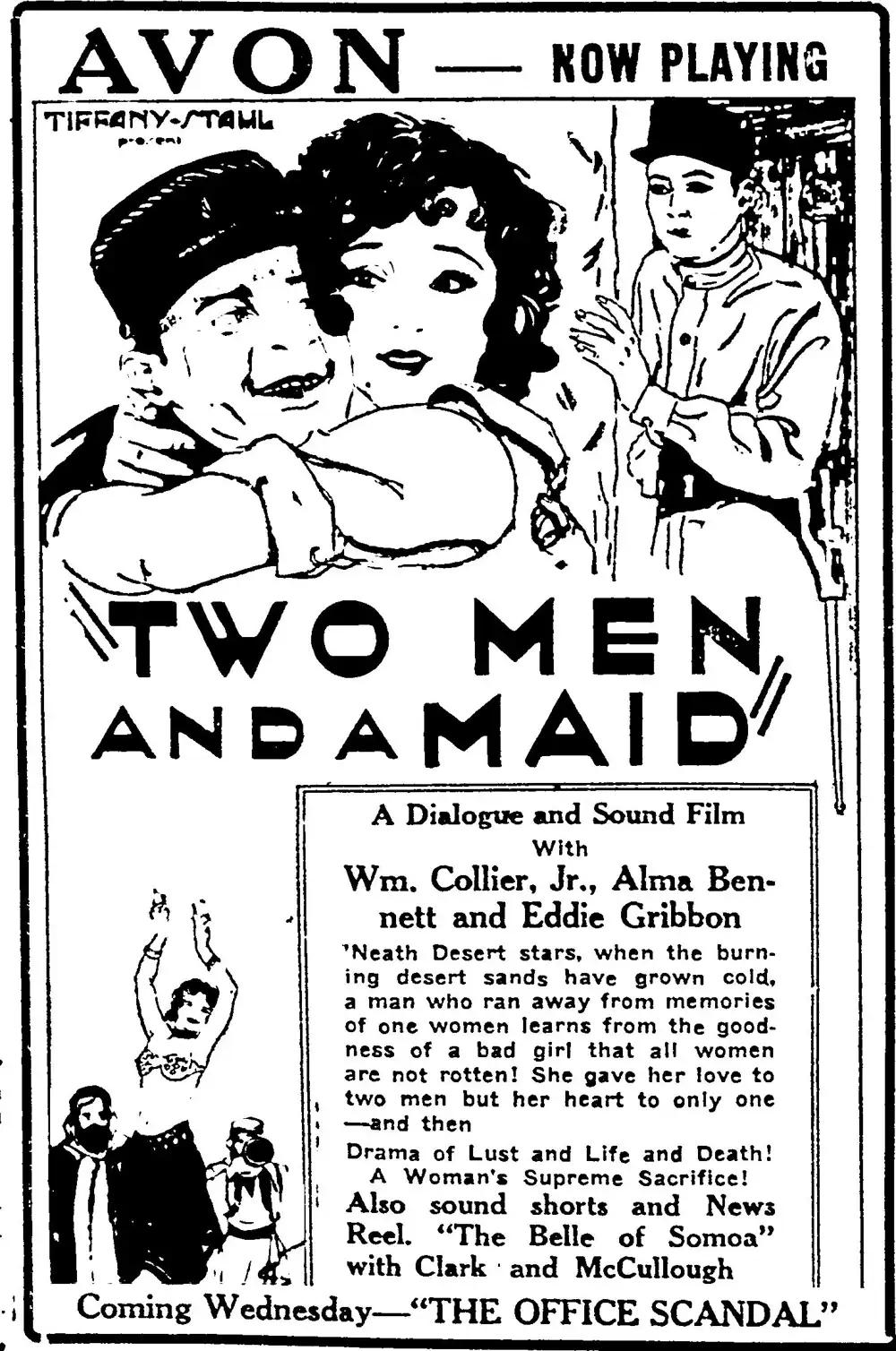
Comparing the cinematic DNA and archive impact of two defining moments in cult history.
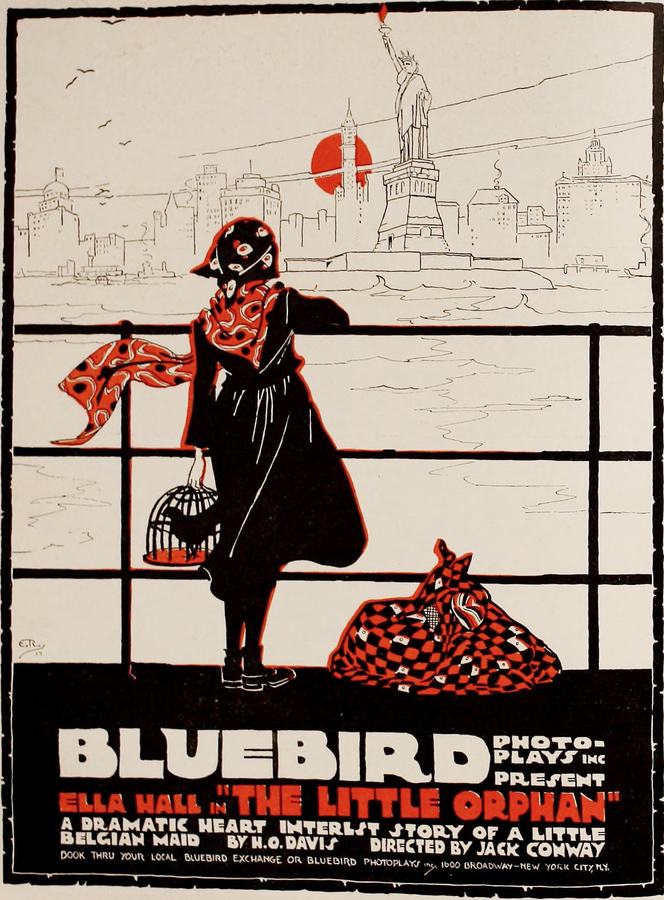
Jack Conway
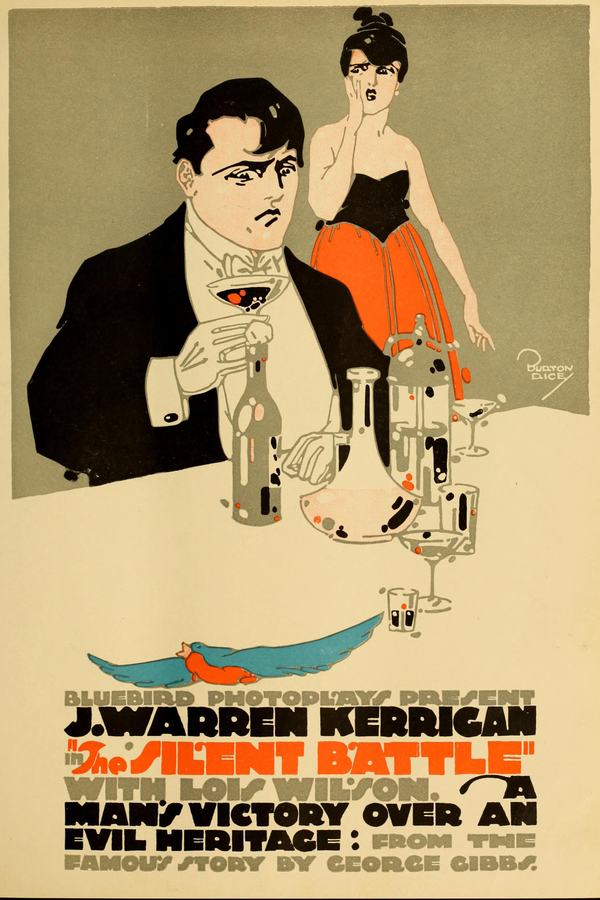
Jack Conway
Community
Log in to comment.
" The Mill as Moral Furnace Picture, if you can, the opening iris shot: a slow contraction that transforms a bustling Main Street into a crucible of looms, each shuttle click a metronome of exploited muscle. Director Charles Murphy—never celebrated in the same breath as Griffith or DeMille—nevertheless orchestrates a visual fugue whose cadence anticipates Soviet montage by half a decade. Smokestacks vomit umber coils against a pewter sky; the camera, mounted on a moving flatcar, glides past rows ..."
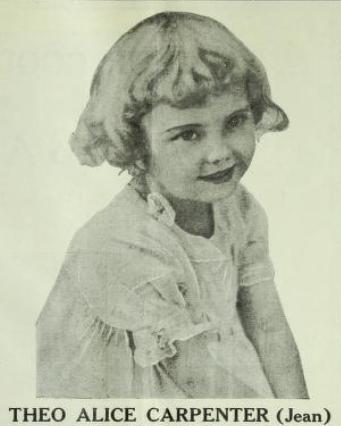
Jeanne Carpenter
Winston Churchill, William H. Clifford
United States
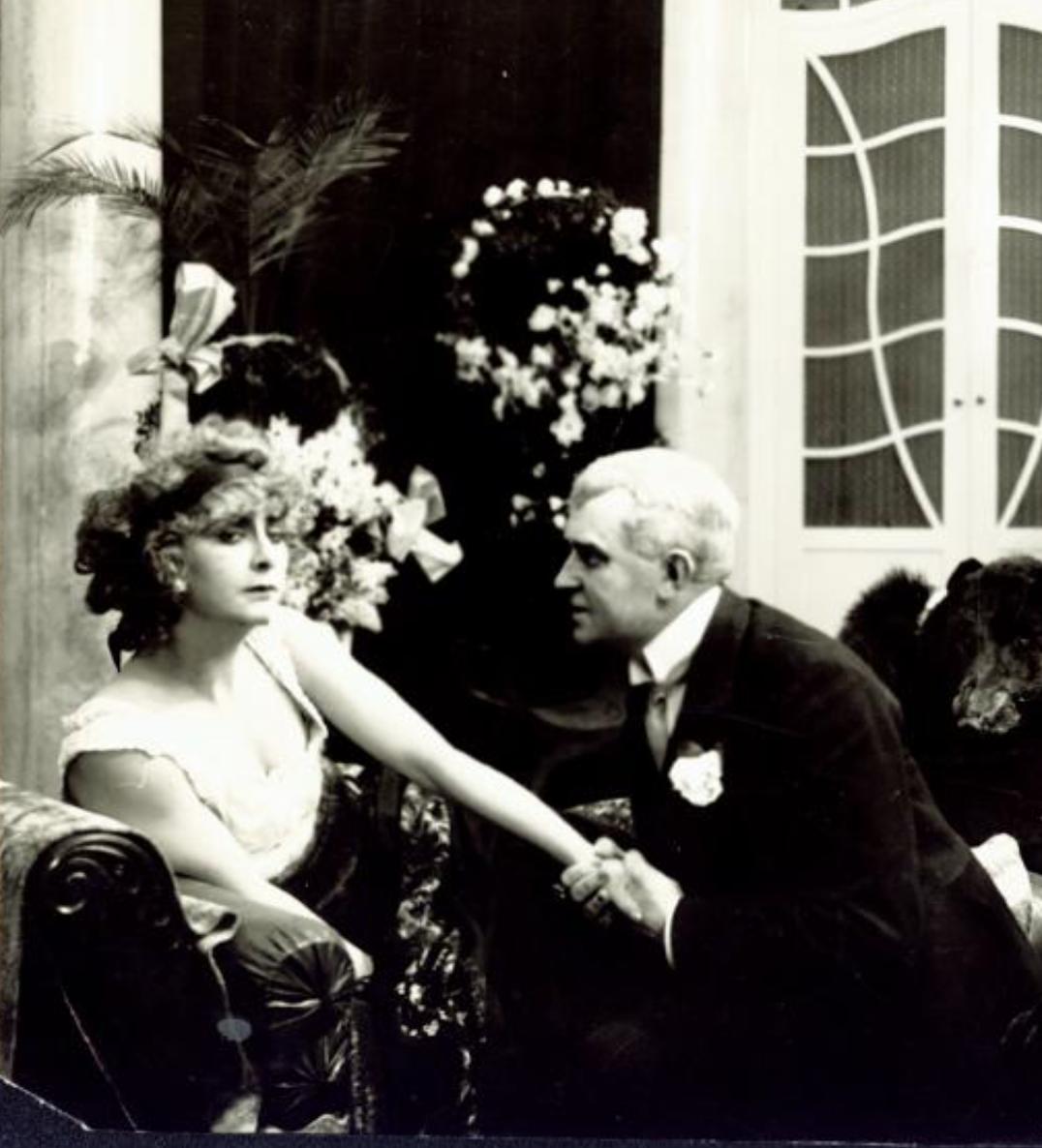
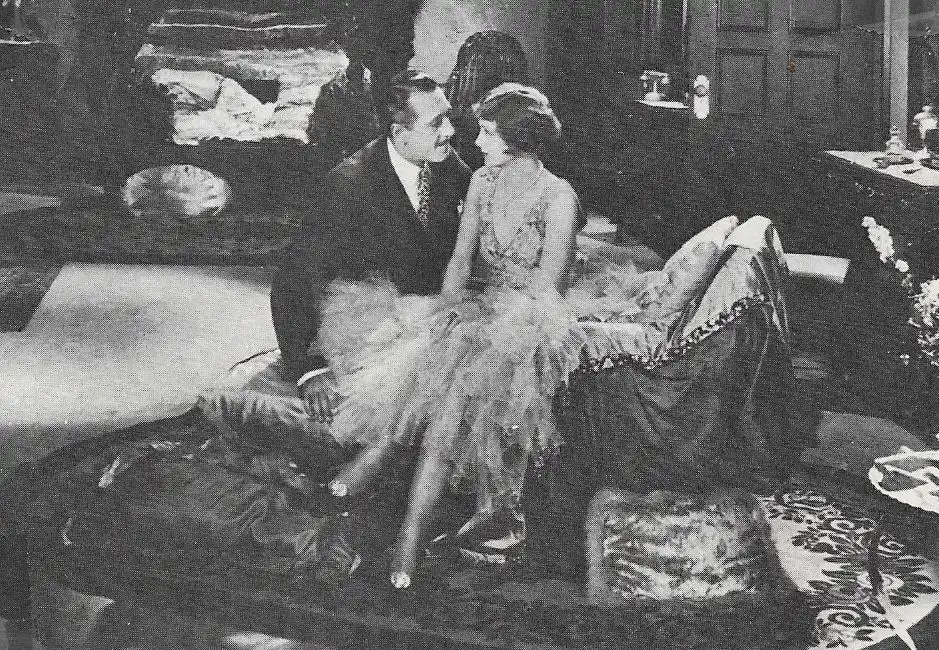
Deep dive into the cult classic
Discover similar cinematic experiences
A Directorial Spotlight on Jack Conway