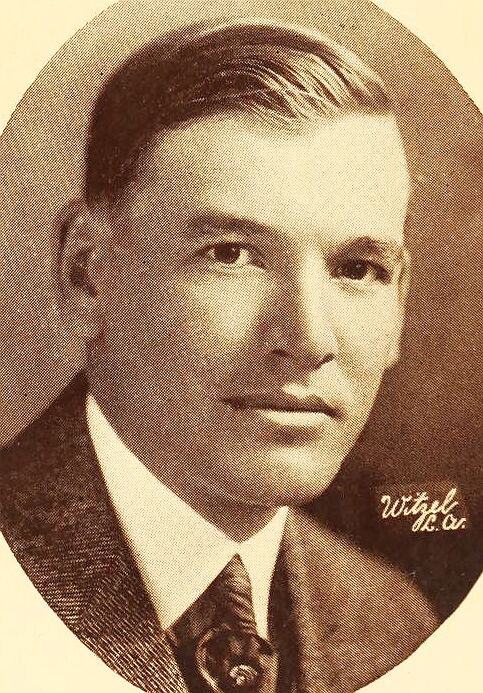
James W. Horne
actor, director, writer
- Birth name:
- James Wesley Horne
- Born:
- 1881-12-14, San Francisco, California, USA
- Died:
- 1942-06-29, Hollywood, California, USA
- Professions:
- actor, director, writer
Biography
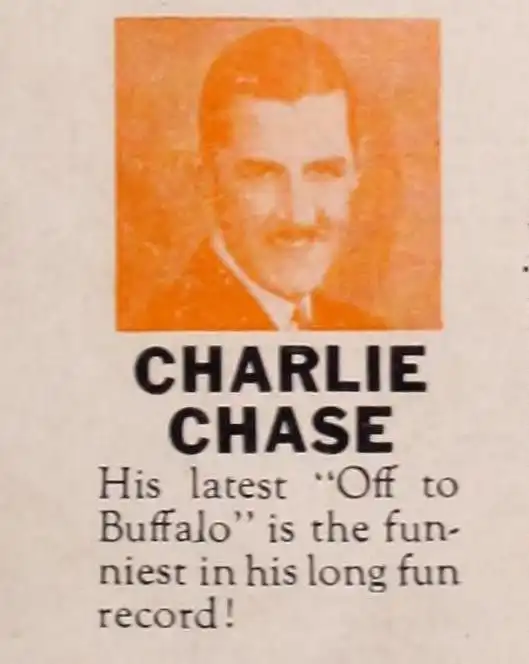
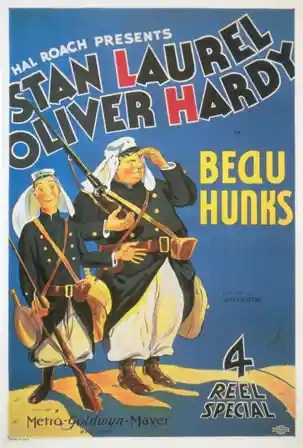
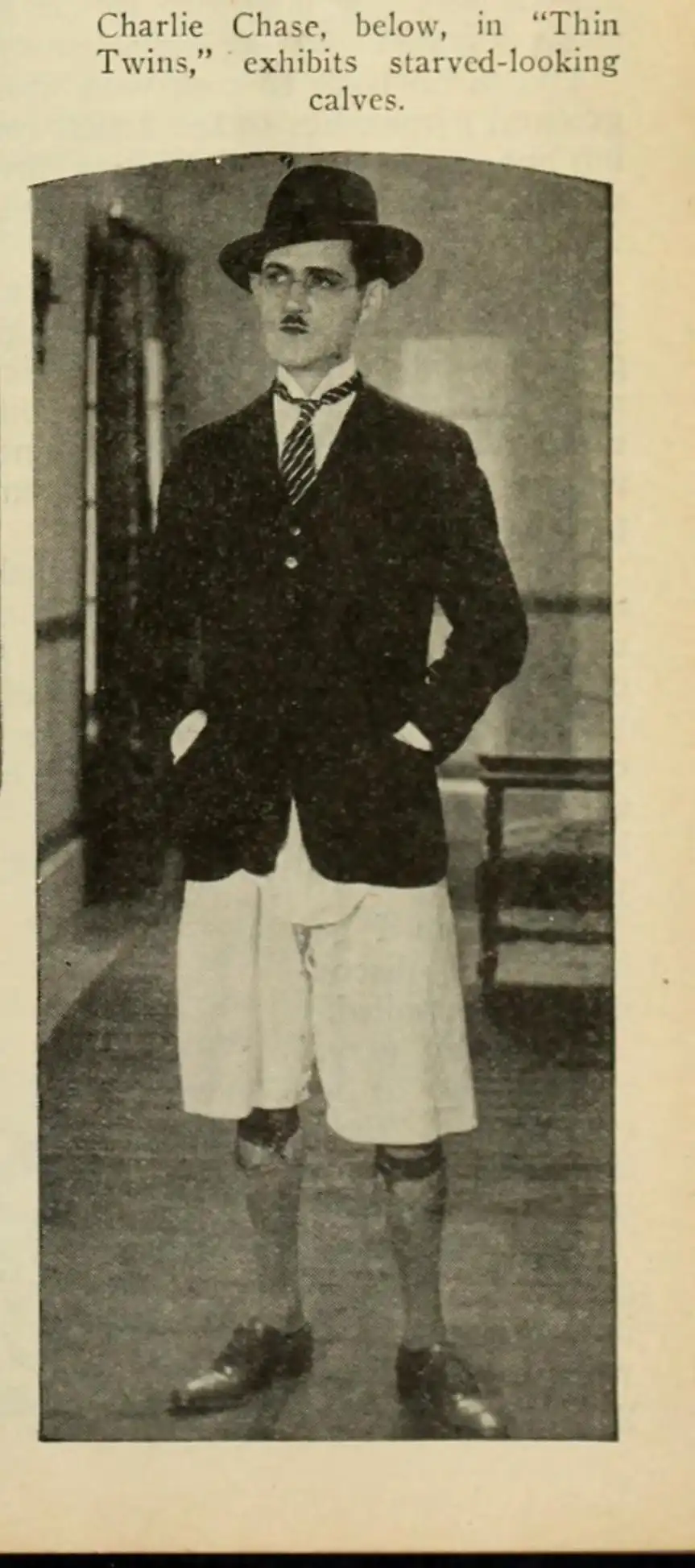
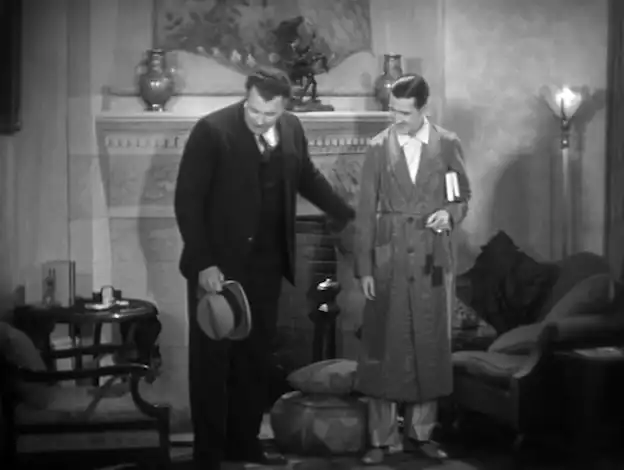
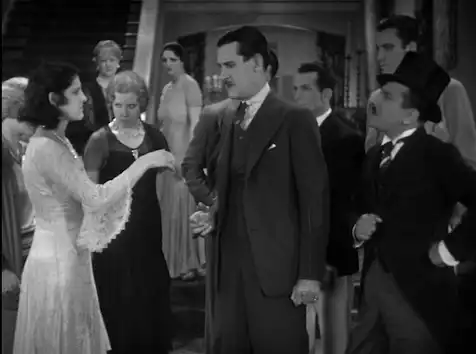
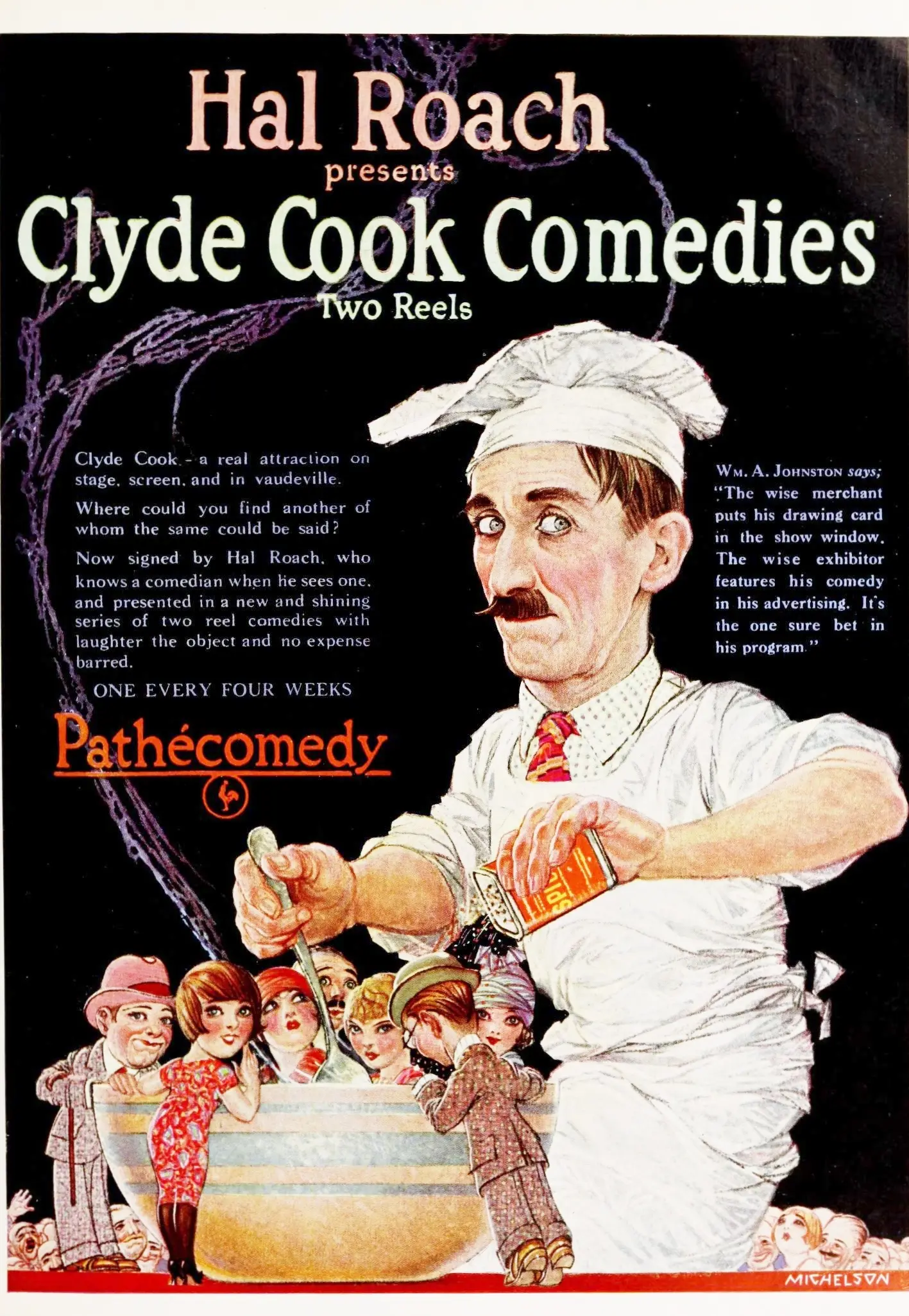
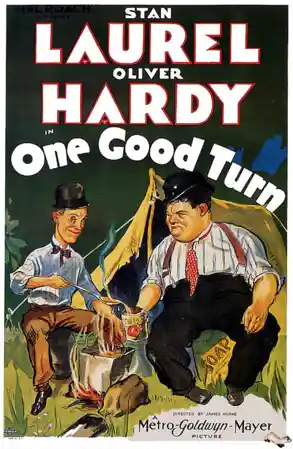
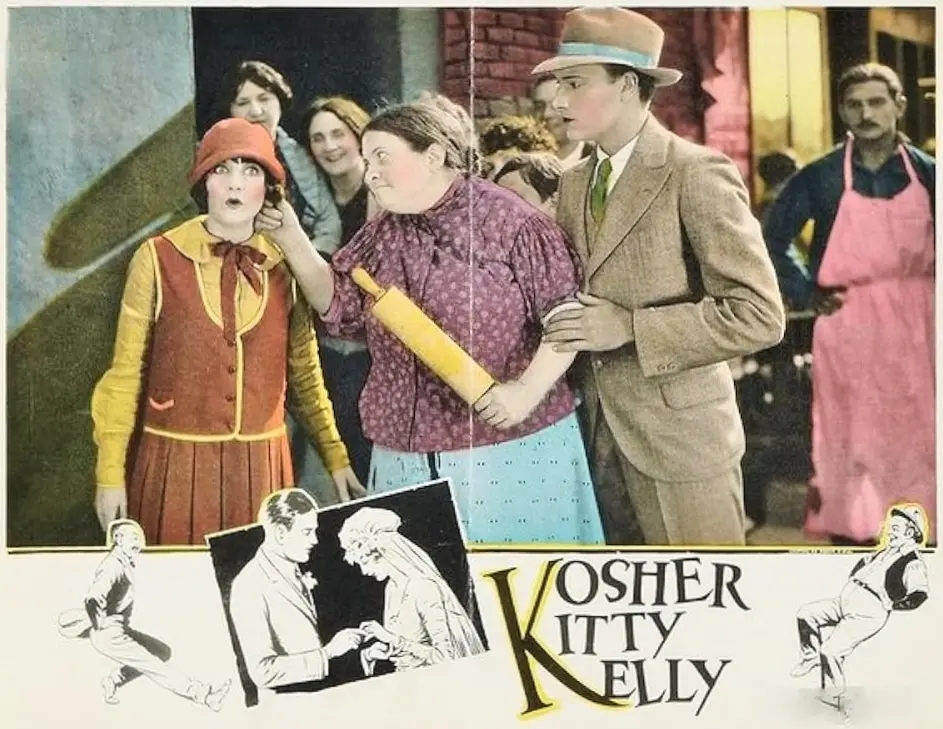
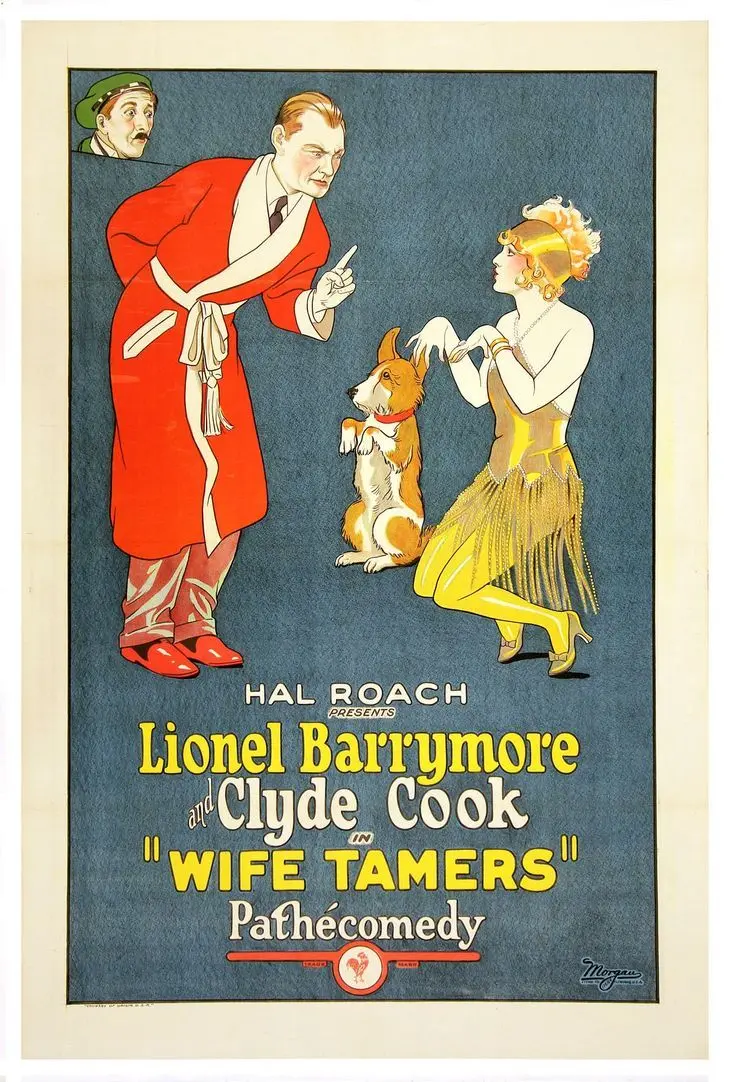
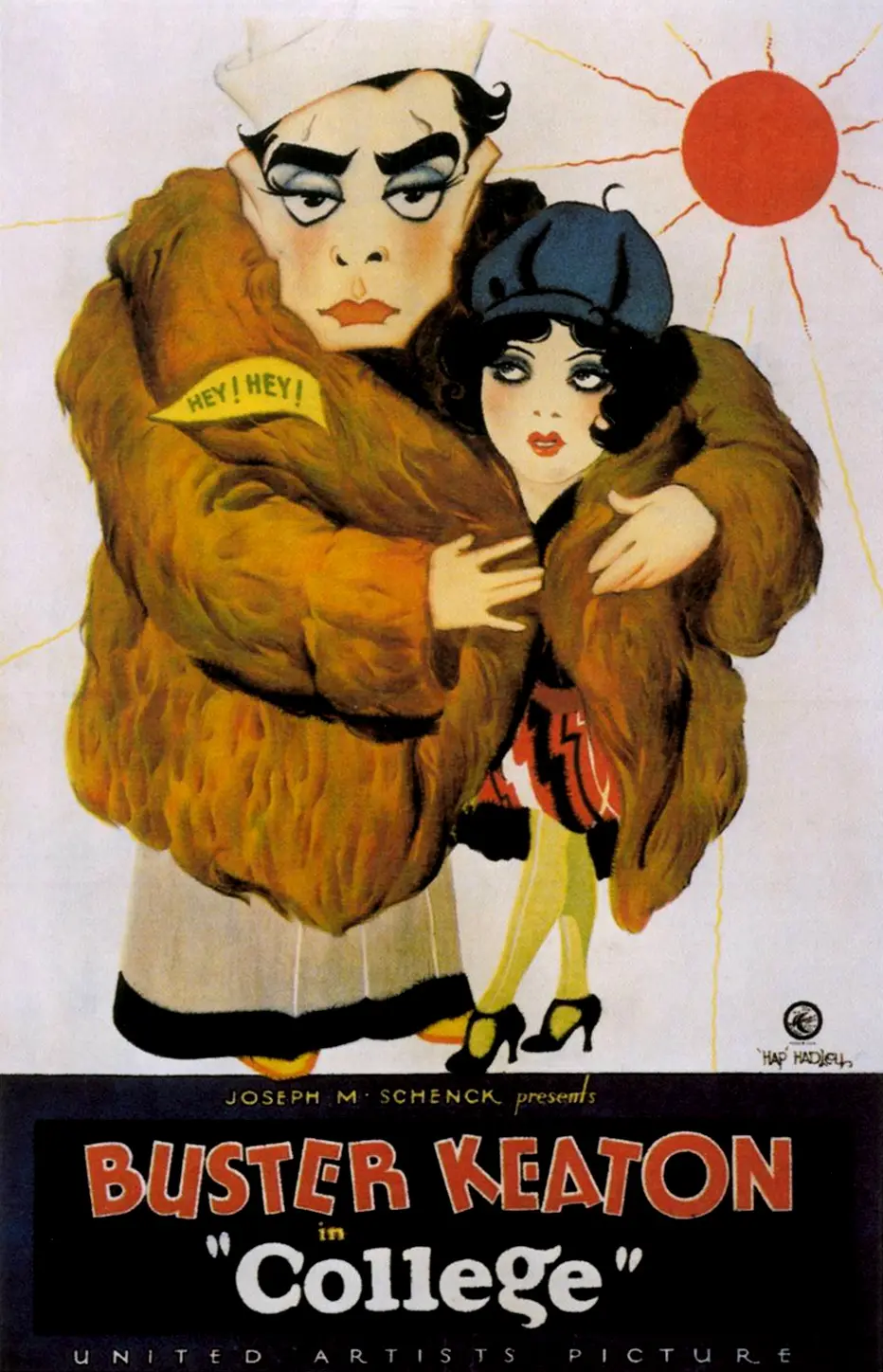
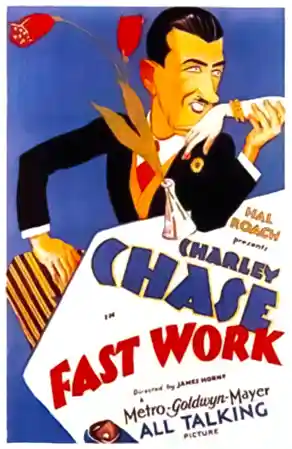
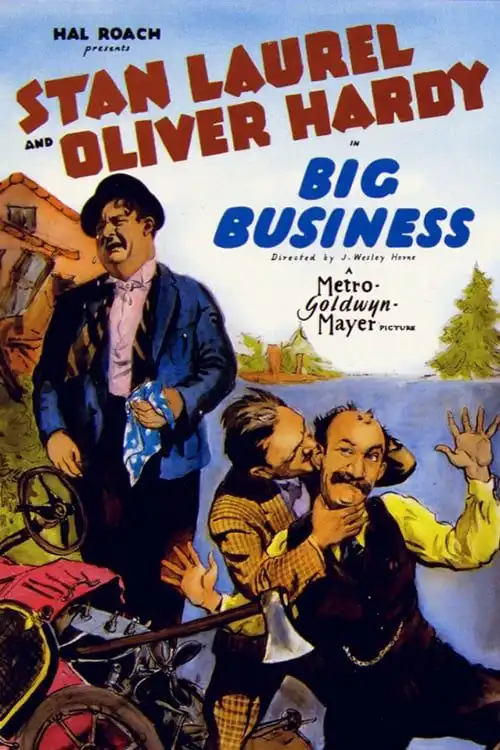
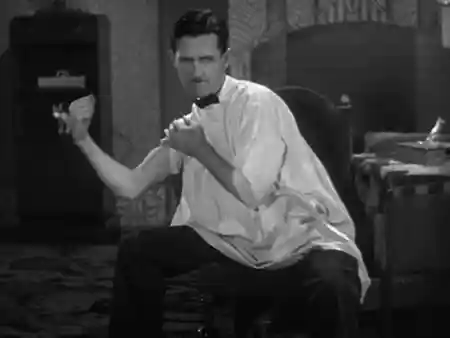
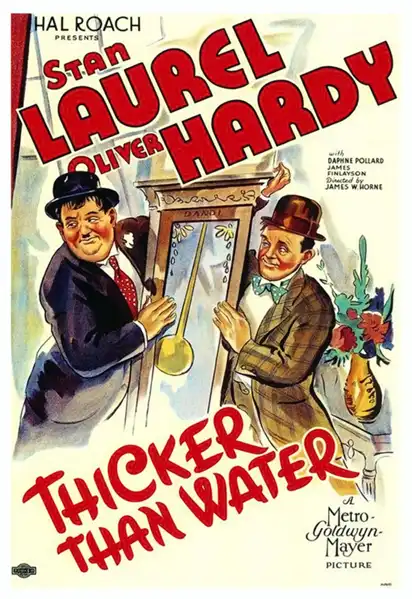
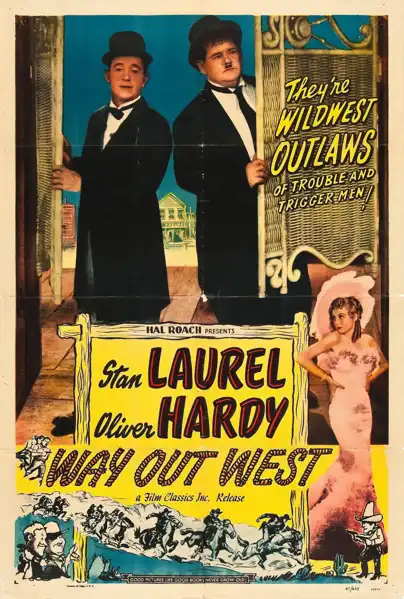
James W. Horne slipped into the Roach lot in 1925 and, before the year was out, had piloted his first two-reeler. Two years later he sent Buster Keaton back to school, guiding the comedian through the ivy-covered hijinks of “College.” Between ’25 and ’26 he cranked out ten brisk All-Star shorts, then vanished—only to reappear in 1929 just as silence was dying. His timing was perfect: he framed Charley Chase’s last mutterings on nitrate and, more memorably, set Laurel & Hardy loose on an unlucky homeowner in “Big Business,” trimming the Christmas-tree mayhem with surgical glee. Sound arrived; Horne adapted. His maiden talkie for Roach, “Whispering Whoopie,” let Charley Chase loose a yodel of trouble in 1930. Thirty-odd sound shorts followed, among them the raucous “Chickens Come Home” and the four-reel march “Beau Hunks.” When no suitable desert fighter could be found, Horne shaved, wrapped his head in a keffiyeh, and stormed the dunes himself. Roach trusted him so completely that, while English-language versions of Stan and Ollie’s romps rotated through other hands, Horne was dispatched to coax multilingual laughs from German, French, and Spanish negatives. He exited the lot in 1932, but the pull of the familiar proved irresistible: 1935 saw him back for one final short, “Thicker Than Water,” and then—without on-screen credit—he helped script and fully helmed three of the boys’ features: the kilts-and-claymores lark “Bonnie Scotland,” the gypsy violins of “The Bohemian Girl,” and the sagebrush sing-along “Way Out West.” After that last encore, Horne traded Roach’s bungalow roofs for Columbia’s chapter-play skyline, producing cliffhangers that left Saturday-matinée kids dangling breathless week after week.
Filmography
Directed (76)