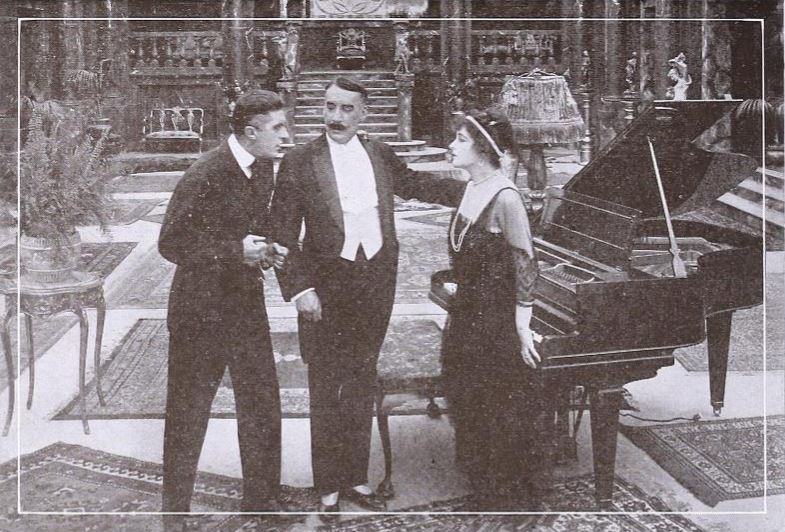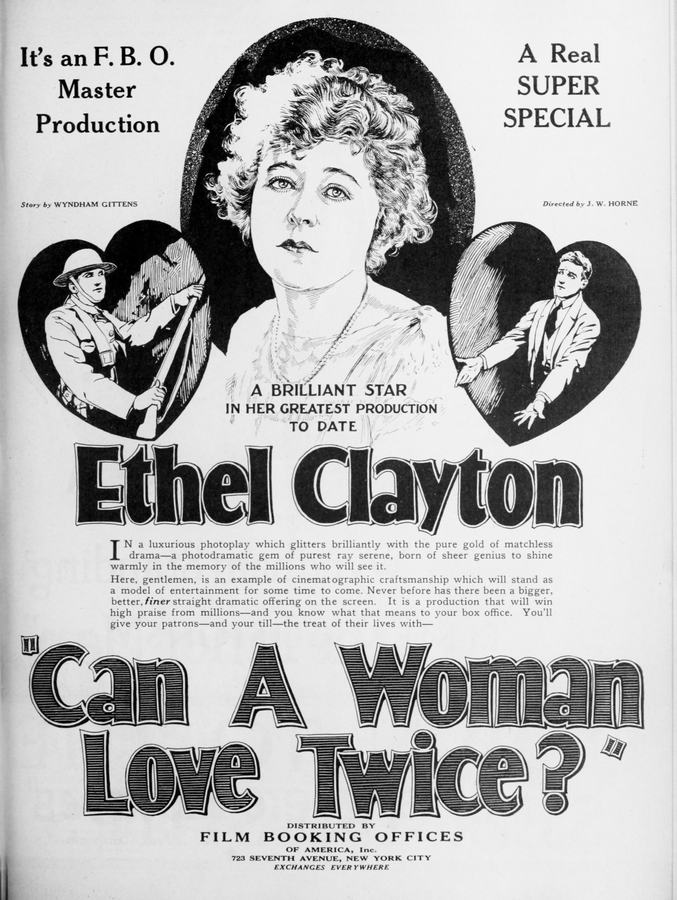
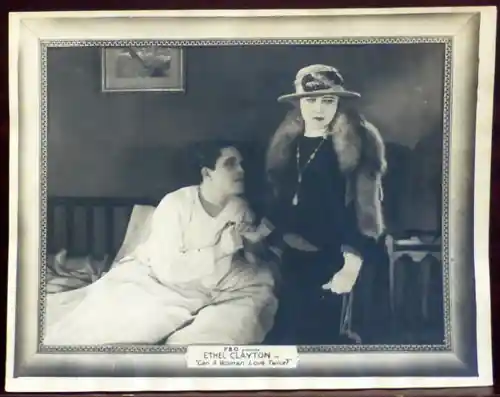
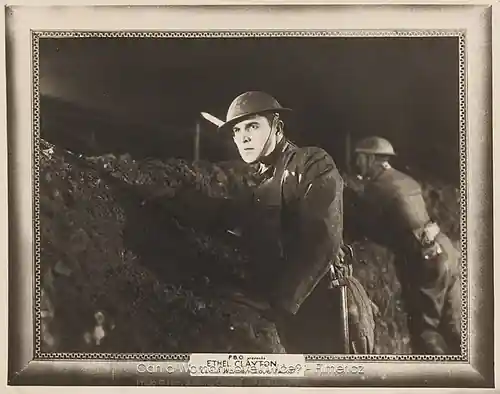
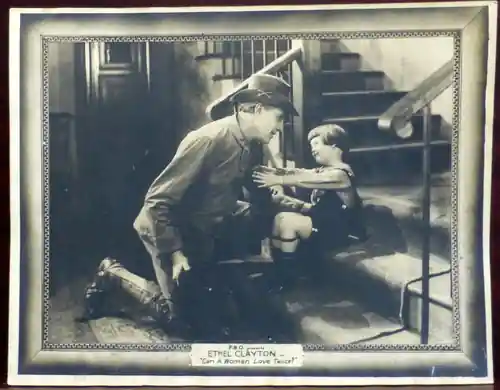
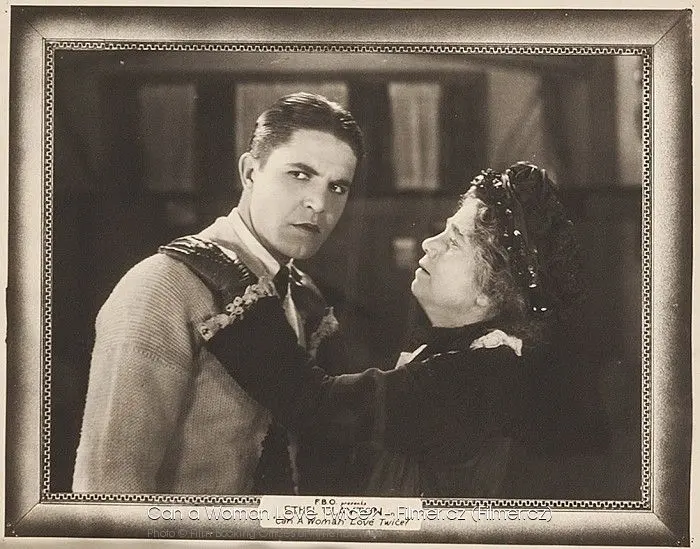
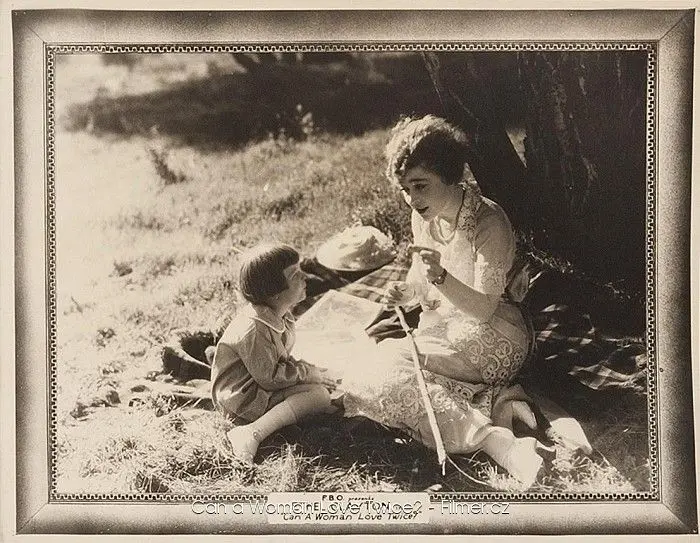
Mary Grant, whose husband was killed in the war, has to support herself and her young son Tom by working in a cabaret because her husband's parents disapprove of and won't help her--but they want to adopt Tom. Complications ensue.
The cinematic landscape of Can a Woman Love Twice? is a richly woven tapestry of dark orange hues, symbolizing the turbulent emotions that roil beneath the surface of Mary Grant's existence. As she grapples with the aftermath of her husband's passing, the yellow glow of hope flickers, casting a warm, yet uncertain ligh...
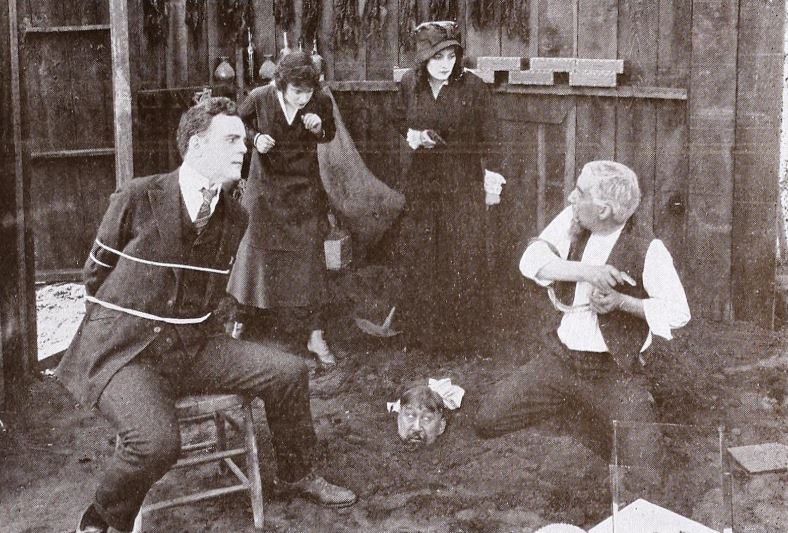
still_frame
production_art
production_art
production_art
production_art
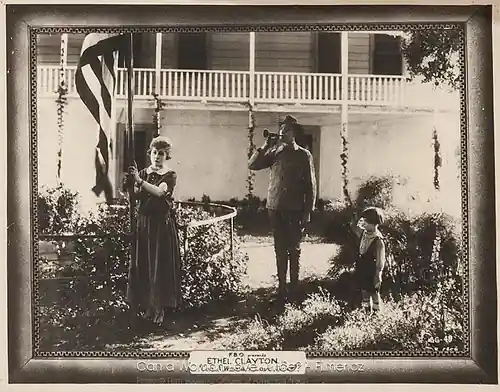
production_art
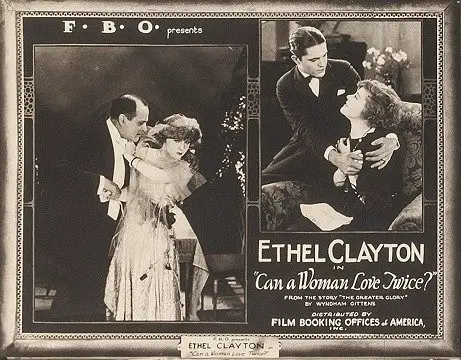
production_art
Comparing the cinematic DNA and archive impact of two defining moments in cult history.
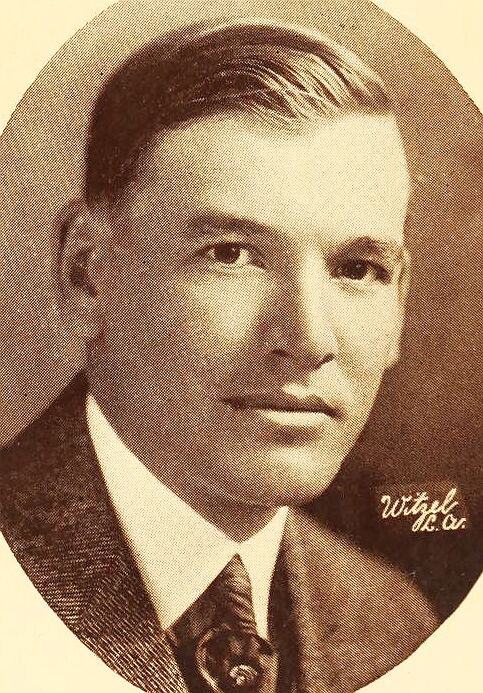
James W. Horne
James W. Horne
Community
Log in to comment.
"The cinematic landscape of Can a Woman Love Twice? is a richly woven tapestry of dark orange hues, symbolizing the turbulent emotions that roil beneath the surface of Mary Grant's existence. As she grapples with the aftermath of her husband's passing, the yellow glow of hope flickers, casting a warm, yet uncertain light upon her journey. With each step, the sea blue depths of her emotional turmoil threaten to engulf her, as she confronts the harsh realities of her new circumstances.The character..."
Wyndham Gittens
United States
Deep dive into the cult classic
Discover similar cinematic experiences
A Directorial Spotlight on James W. Horne