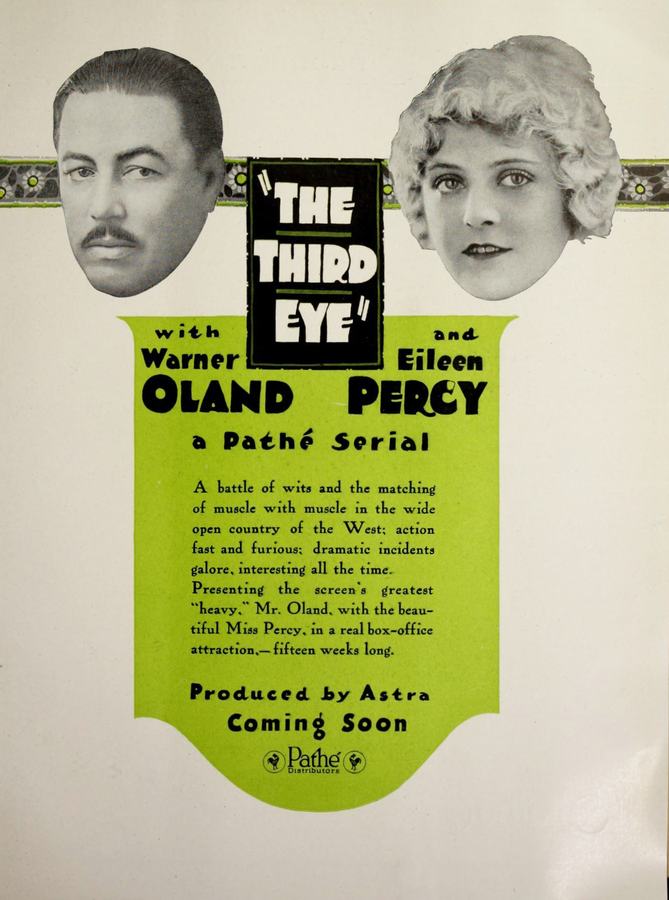
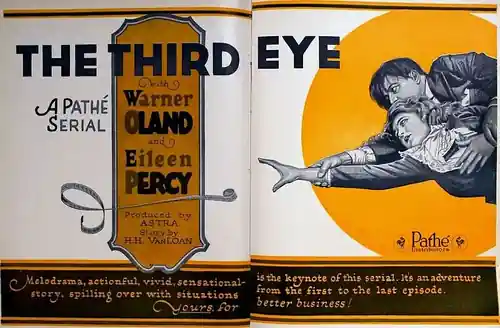
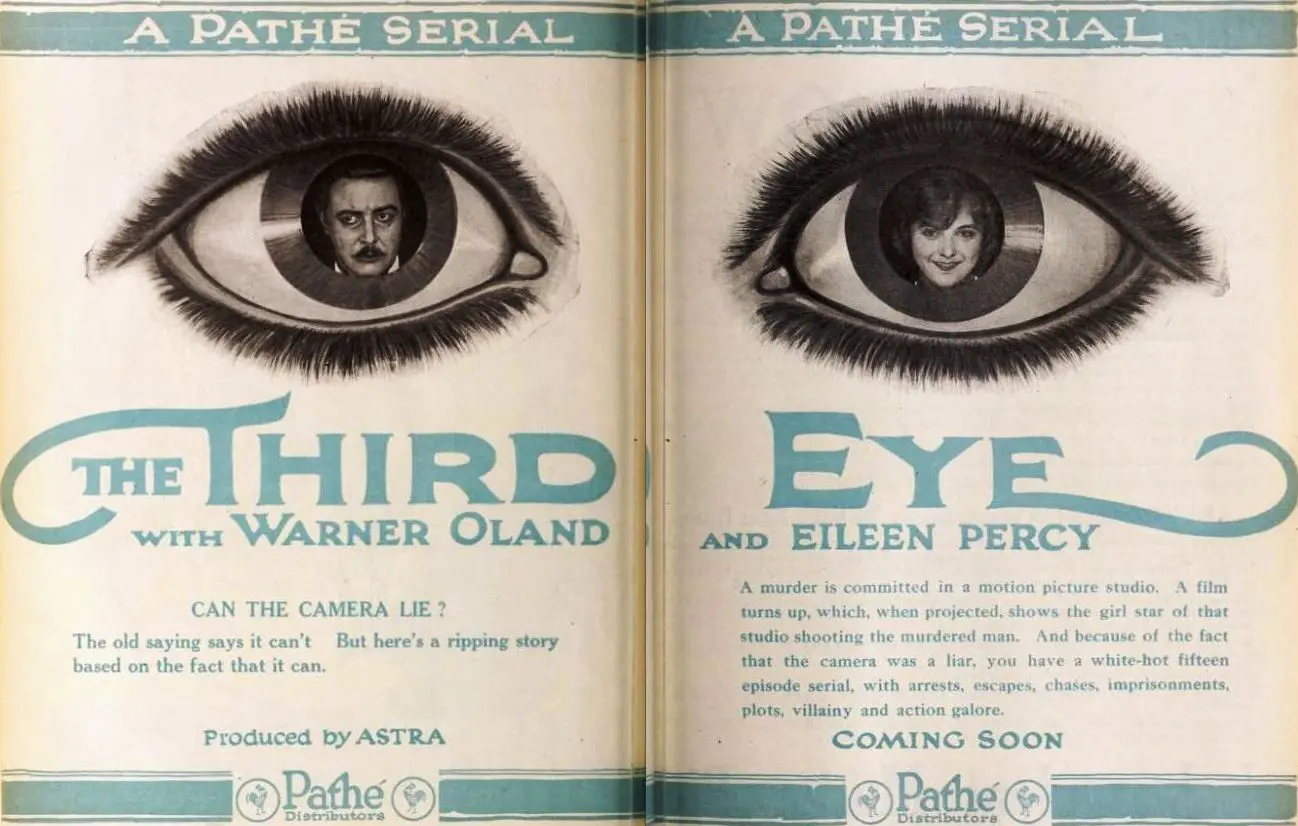
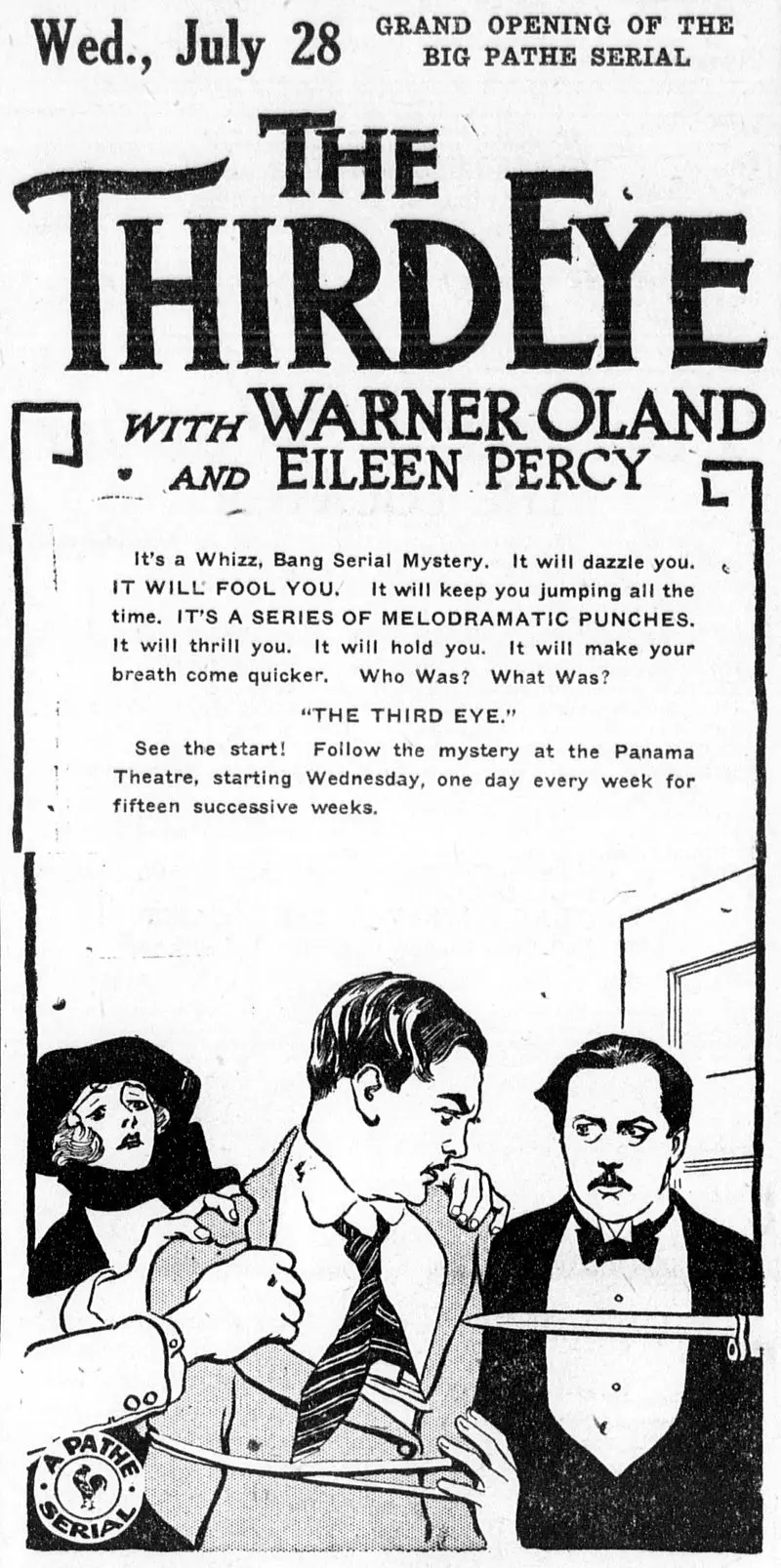
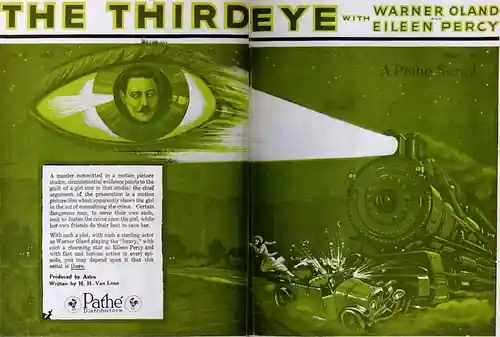
Spoiler-rich excavation ahead—enter only if you dare to develop the negative of your own fate. They say celluloid is immortal, yet The Third Eye feels like it has been rotting in a tin canister laced with mercury since 1920, waiting for one suicidal projector beam to resurrect its contagion. I encountered it the way...
production_art
production_art
production_art
production_art

Comparing the cinematic DNA and archive impact of two defining moments in cult history.
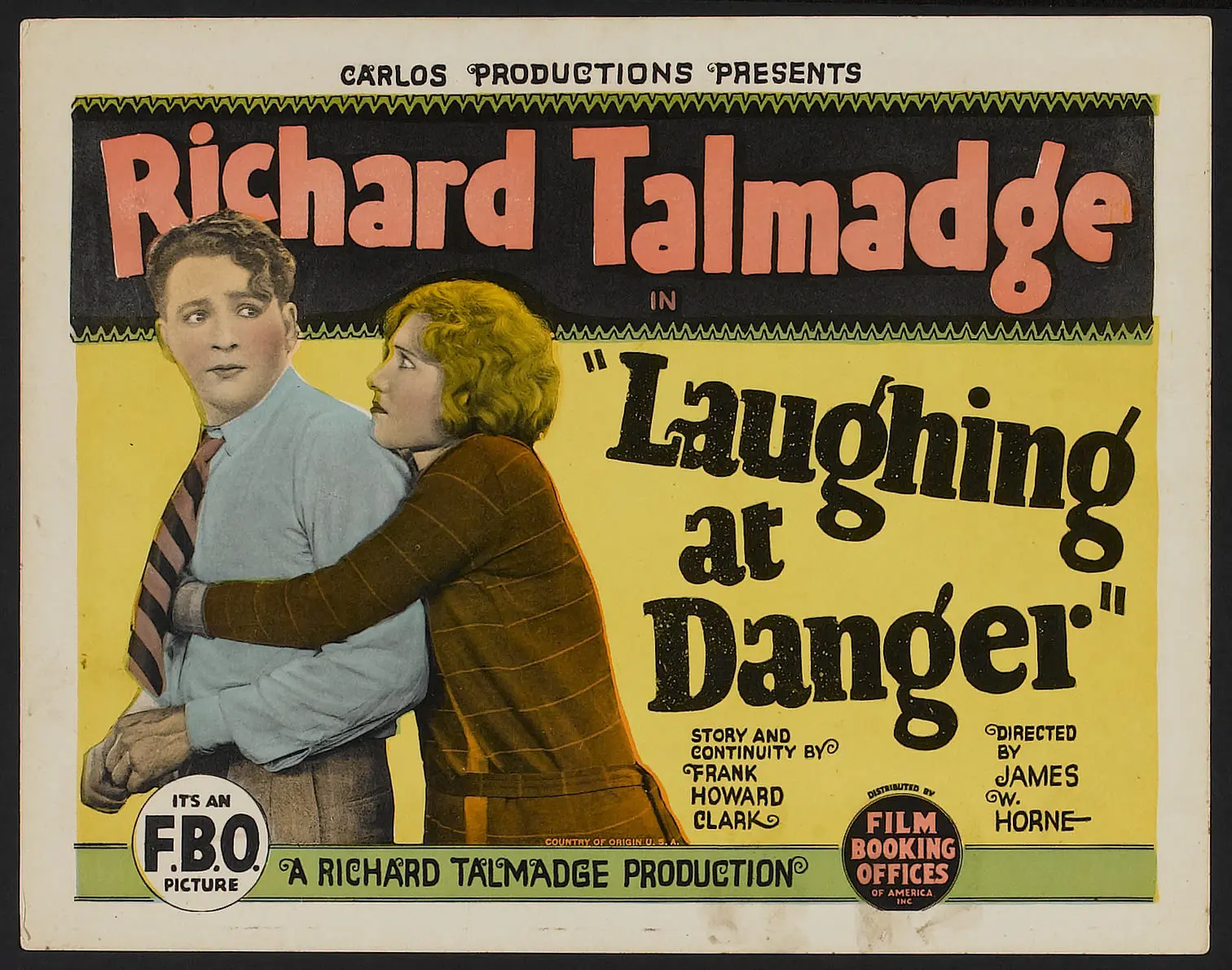
James W. Horne
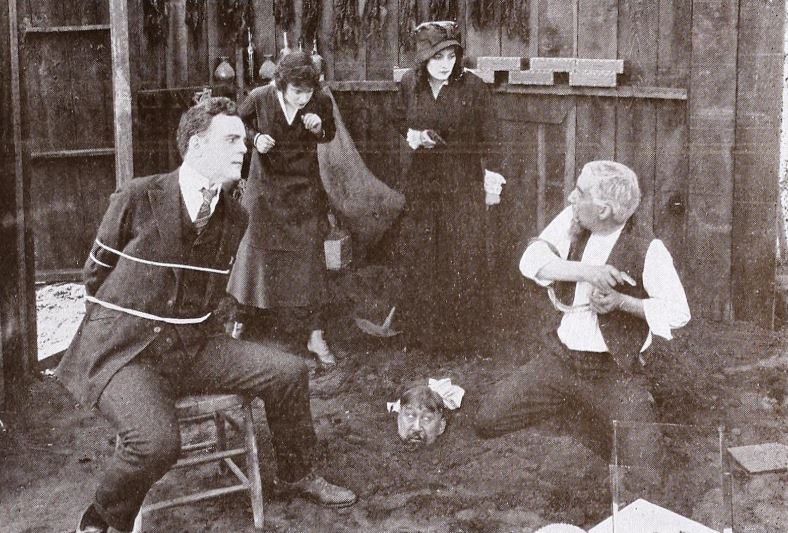
James W. Horne
Community
Log in to comment.
" Spoiler-rich excavation ahead—enter only if you dare to develop the negative of your own fate. They say celluloid is immortal, yet The Third Eye feels like it has been rotting in a tin canister laced with mercury since 1920, waiting for one suicidal projector beam to resurrect its contagion. I encountered it the way most cine-masochists do: a whispered citation in a footnote of Carlos Clarens, a single nitrate still in the Eastman archive showing Olga Grey’s profile dissolving into a death-ma..."
H.H. Van Loan, Gilson Willets
United States
Deep dive into the cult classic
Discover similar cinematic experiences
A Directorial Spotlight on James W. Horne